|

Beware the flash crash
Original content: Beware the flash crash

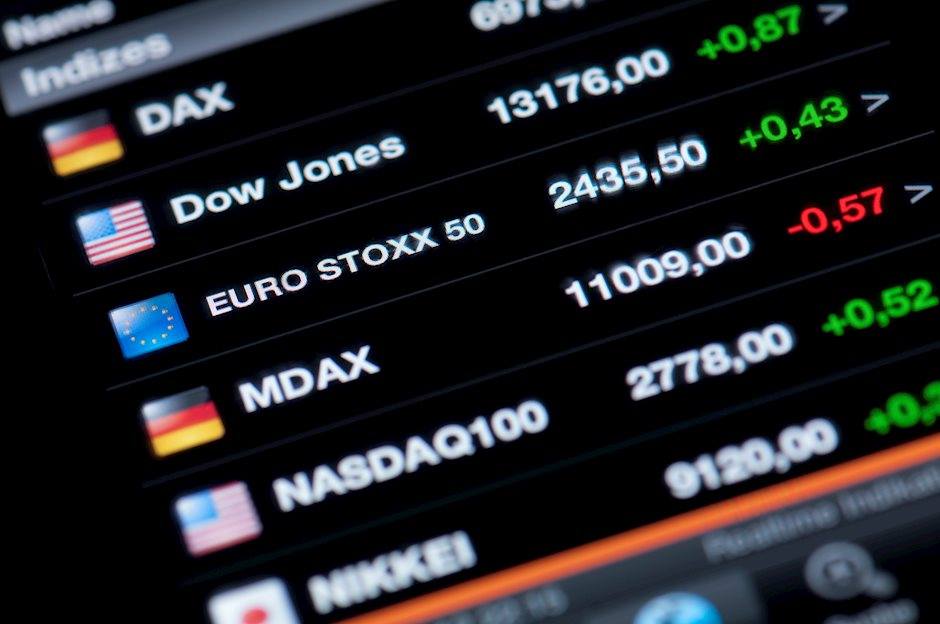
On Monday, while the UK was on a public bank holiday, a flash crash occurred at 9am UK time. The OMX Stockholm index fell nearly 7% in around 4 minutes!

What caused it?

A simple human error. A trader at Citi’s London desk made an error putting in a transaction and that sparked a 300 billion euros sell-off.

What made it worse?

It was simply the fact that many algorithms are also triggered by outsized moves. Sometimes that can mean either limit entries are quickly removed or that aggressive trend following algos keep adding to the move. Either way, automation exaggerates human error, so you get large outsized moves.

Be aware of a new market dynamic

This means that we can get sudden outsized moves in markets especially when market liquidity is low. So, the most vulnerable times for these kinds of moves are at the end of the US session, but before the Asian session gets underway. The other time is during holiday sessions like we had this Monday on a UK bank holiday.

What’s the takeaway from these flash crashes?

Well, these sudden flash crashes will decimate accounts that are using highly leveraged positions. Large leverage and disorderly moves equate to financial disaster. So, make sure your stop is in a logical place and that you are limiting your use of leverage.

Secondly, remember that if you suddenly see a very large move in an instrument during the ‘flash crash’ hours the normal reaction would be to fade the move. However, you need to make sure there is not a strong fundamental story underpinning the move and that it is a genuine flash crash. Of course, this depends upon you being in the right place at the right time, but nevertheless, it is worth being aware of.


Learn more about HYCM


Author

Giles Coghlan LLB, Lth, MA

Giles is the chief market analyst for Financial Source. His goal is to help you find simple, high-conviction fundamental trade opportunities. He has regular media presentations being featured in National and International Press.


More from Giles Coghlan LLB, Lth, MA
Share:

Markets move fast. We move first.

Orange Juice Newsletter brings you expert driven insights - not headlines. Every day on your inbox.

By subscribing you agree to our Terms and conditions.

Editor's Picks

EUR/USD ticks lower following the release of FOMC Minutes

The US Dollar found some near-term demand following the release of the FOMC meeting minutes, with the EUR/USD pair currently piercing the 1.1750 threshold. The document showed officials are still willing to trim interest rates. Meanwhile, thinned holiday trading keeps major pairs confined to familiar levels.

GBP/USD remains sub- 1.3500, remains in the red

The GBP/USD lost traction early in the American session, maintaining the sour tone and trading around 1.3460 following the release of the FOMC meeting minutes. Trading conditions remain thin ahead of the New Year holiday, limiting the pair's volatility.

Gold stable above $4,350 as the year comes to an end

Gold price got to recover some modest ground on Tuesday, holding on to intraday gains and changing hands at $4,360 a troy ounce in the American afternoon. The bright metal showed no reaction to the release of the FOMC December meeting minutes.

Ethereum: ETH holds above $2,900 despite rising selling activity

Ethereum (ETH) held the $2,900 level despite seeing increased selling pressure over the past week. The Exchange Netflow metric showed deposits outweighed withdrawals by about 400K ETH. The high value suggests rising selling activity amid the holiday season.

Economic outlook 2026-2027 in advanced countries: Solidity test

After a year marked by global economic resilience and ending on a note of optimism, 2026 looks promising and could be a year of solid economic performance. In our baseline scenario, we expect most of the supportive factors at work in 2025 to continue to play a role in 2026.

Crypto market outlook for 2026

Year 2025 was volatile, as crypto often is.  Among positive catalysts were favourable regulatory changes in the U.S., rise of Digital Asset Treasuries (DAT), adoption of AI and tokenization of Real-World-Assets (RWA).














