Bears stalk the Oil patch while the Gold rush continues
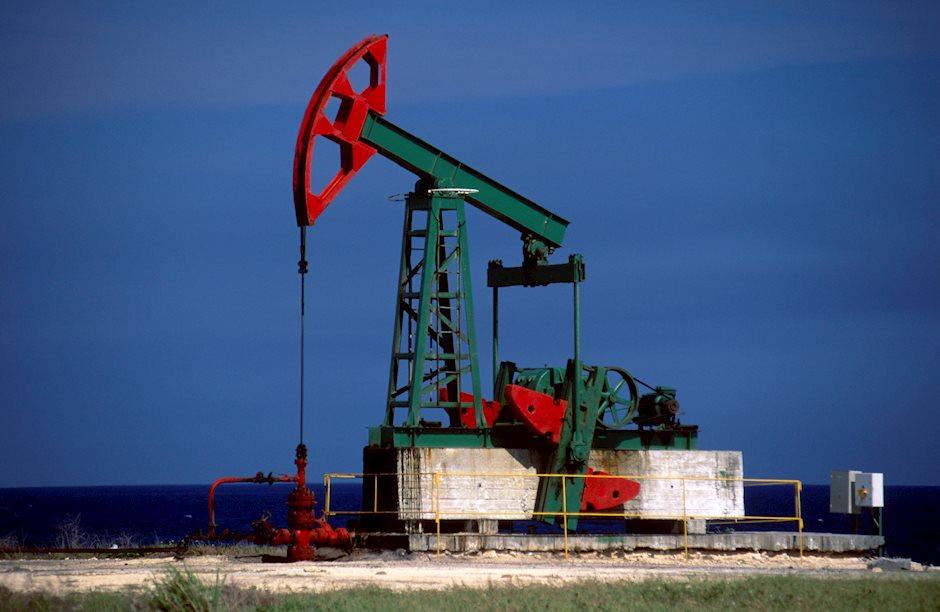

Oil spill
This is what we call a classic bearish setup in the oil market—when the algorithms decide to play blind to falling inventories and instead push prices lower like there’s no tomorrow. Crude oil just hit a six-month low as traders brushed off a bullish US stockpile report. The weak technicals had CTAs (trend-following) dumping the commodity faster than you can say “sell,” and signals of weakness from China didn’t help the situation.
China’s apparent oil demand plummeted by 8% year-on-year in July, falling to 13.55 million barrels per day, according to government data. To make matters more interesting, reports indicate that the country might have squirrelled away up to 800,000 barrels per day into storage, perhaps for a rainy day. However, with the rapid adoption of EV technology in China, those "rainy days" might just turn out to be brief showers at best.
Earlier in the session, crude had a brief rally after US government data showed a significant drawdown in inventories. Commercial stockpiles fell by a larger-than-expected 4.65 million barrels last week. But the bulls couldn’t hold onto the gains as flight data showed a decline in weekly and month-on-month trips for the week starting August 19. With the US driving season winding down, gasoline demand is also set to weaken, adding another layer of bearish sentiment to the mix.
The Gold rush
Gold traded near record highs after the Fed minutes solidified expectations of an imminent rate cut. Several Fed officials admitted there was a strong case for cutting interest rates at their July meeting, fueling the bullish sentiment. But the real action could be just around the corner—gold eyeing a potential surge to $2,600 + especially if USD/JPY drops to 140 and EUR/USD hits 1.1250, all in the aftermath of the NFP report. It’s the kind of scenario where everything could align for a simultaneous market move, pushing gold to new heights.
It’s been a banner year for stocks, but gold has decided to upstage them all with a historic performance, recently smashing through the $2,500 per ounce barrier. Gold isn’t just nudging ahead of the S&P 500—it’s sprinting past it, all while playing the role of the ultimate hedge. In a world where bonds are usually the safe haven, gold has left them eating its dust.
So, what’s behind this golden rocket ship?
Some of it is pretty straightforward. The dollar’s been losing steam as markets brace for a drop in US interest rates, and since gold is priced in dollars, it’s naturally getting a lift. Falling real rates since May have made holding gold a no-brainer, lowering the opportunity cost and making it a glittering choice. Toss in the usual cocktail of geopolitical, economic, and fiscal jitters, and you’ve got the perfect storm for a gold rush. And let’s not forget that global central banks have been hoarding gold like it’s going out of style, adding even more fuel to the fire.
But there’s another twist in this tale: China’s economy is struggling, and it’s creating a new wave of demand. Chinese retail investors, burned by the local stock market and a real estate sector that’s seen better days, are on the hunt for a safe haven. With the economic outlook looking as gloomy as a rain-soaked Beijing afternoon, it makes perfect sense for them to flock to bonds and gold. And that’s exactly what’s happening—Chinese money is pouring into gold, adding even more momentum to its meteoric rise.
Author
Stephen Innes
SPI Asset Management
With more than 25 years of experience, Stephen has a deep-seated knowledge of G10 and Asian currency markets as well as precious metal and oil markets.

















