Bank of England Preview: Why Super-Thursday is set to sink sterling, even in case of a big hike
- Economists expect the BoE to raise rates by 75 bps to fight high inflation.
- Political calm and recent dovish comments from bank members open the door to a 50 bps hike.
- Even a 75 bps hike could prove bearish for the pound if new forecasts point to a deep recession.

The warm autumn is set to end – at least for sterling, which is looking like it will get a cold shower from the Bank of England. The BoE's Super Thursday is set to result in gloomy forecasts and perhaps a lower-than-expected rate hike.
As I explain below not everything is gloomy, but here are more reasons to expect sterling to sink rather than shine.
Big rate hike in doubt
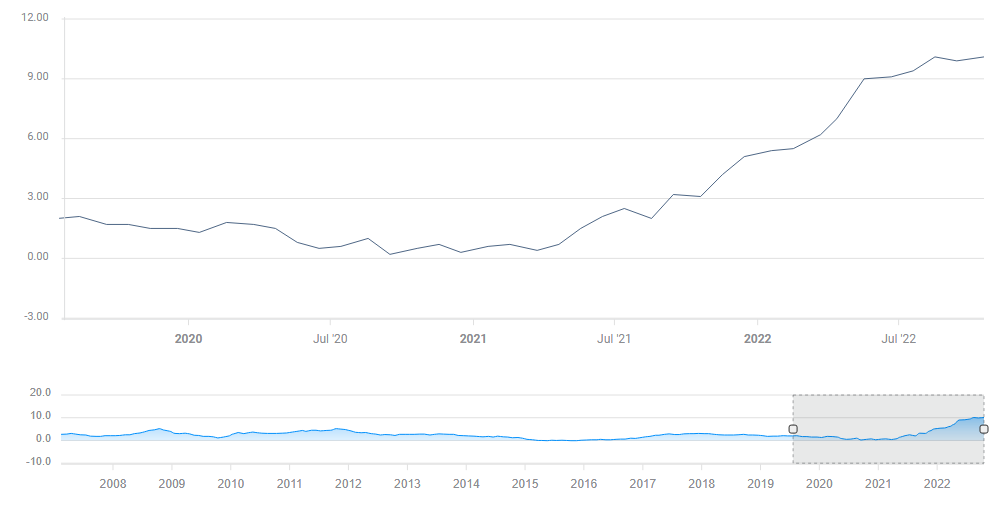
Starting with the biggest market mover – the interest rate. Economists expect a 75 bps hike to fight rising inflation, which stubbornly sticks to double-digit levels.
Source: FXStreet
However, there are several reasons to expect a lower hike.
1) The political crisis is over: At least for now, UK PM Rishi Sunak's swift ascent and his choice of Jeremy Hunt as Chancellor of the Exchequer helped calm investors. UK bond yields have dropped and the pound has risen. The BoE no longer needs to raise rates to shore up the pound.
2) Pushback from officials: Ben Broadbent, the bank's deputy governor, said that raising rates to 5% would take a significant toll on the economy. He seemed to be aware of what markets were pricing. Another member, Catherine Mann, suggested market pricing was "too aggressive."
3) Global pivot: The Bank of Canada, the Reserve Bank of Australia and, most importantly, the European Central Bank have either slowed down the pace of rate hikes or signaled they are ready to do so. The US Federal Reserve has been sending mixed messages but still pushed back against the notion of reaching a high "peak" rate. That differs from the Fed's previous effort to talk up expected rates in 2023.
Will the BoE stand out with a surprising acceleration in rate hikes? I want to stress that the "Old Lady" in London has only hiked by a maximum increment of 50 bps. A 75 bps would be not only an acceleration but also a precedent.
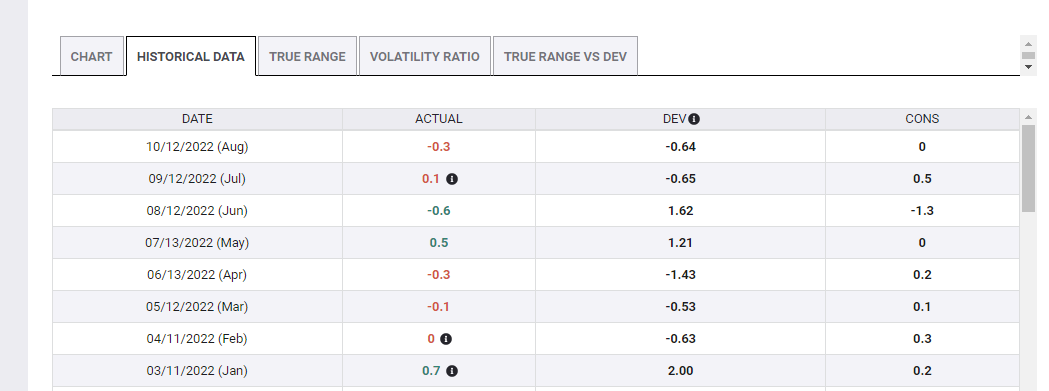
4) Weak data: High inflation is taking its toll on growth. The past two monthly Gross Domestic Product (GDP) figures disappointed. The UK may already be in a recession.
Source: FXStreet
Super Thursday
Apart from the rate decision, the bank publishes the Meeting Minutes, which unveil how the nine members of the Monetary Policy Committee voted. Back in September, Swati Dhingra opted for a 25 bps hike while three others wanted 75 bps and the Governor was only backed by four other members in supporting a 50 bps hike.
Even if the BoE goes big and raises rates by 75 bps, a significant minority voting against such a decision and preferring 25 or 50 bps would limit any enthusiasm.
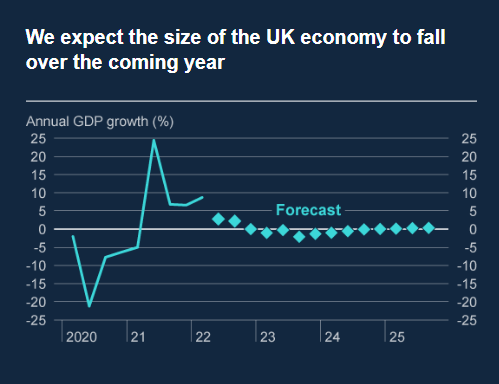
What makes this event super is that the BoE also releases its quarterly Monetary Policy Report. Updated forecasts for inflation and growth grab attention. In the past, the bank foresaw a recession beginning in the fourth quarter of 2022 and lasting through 2023.
A forecast to be frowned upon:
Source: BoE
Will Bailey stick to such doom and gloom? His honesty about darkening skies – not literally, it is still surprisingly sunny in London – has earned him respect. It has also weighed on the pound.
If the BoE leaves its gloomy outlook unchanged or even downgrades it, the pound could further suffer.
A downbeat outlook would also require the government to tighten its spending in the upcoming Autumn Statement due on November 17, further eroding growth prospects and weighing on the pound.
Final thoughts
I find it hard to expect anything but frowns from BoE Governor Bailey – and for good reasons. A 50 bps hike would hit the pound instantly, while a 75 bps move would probably create a selling opportunity in sterling. It would take an upgrade of forecast and a big hike to buoy the pound.
In any case, trading GBP/USD might be problematic. The BoE announces its decision less than 24 hours after the US Federal Reserve announces its own. That would make selling the pound hard in case the dollar is on the back foot. Nevertheless, there are plenty of GBP crosses ready to rock.
Author

Yohay Elam
FXStreet
Yohay is in Forex since 2008 when he founded Forex Crunch, a blog crafted in his free time that turned into a fully-fledged currency website later sold to Finixio.