Asian markets poised to surf Wall Street’s wave as jobs data throws tariff fears into shade


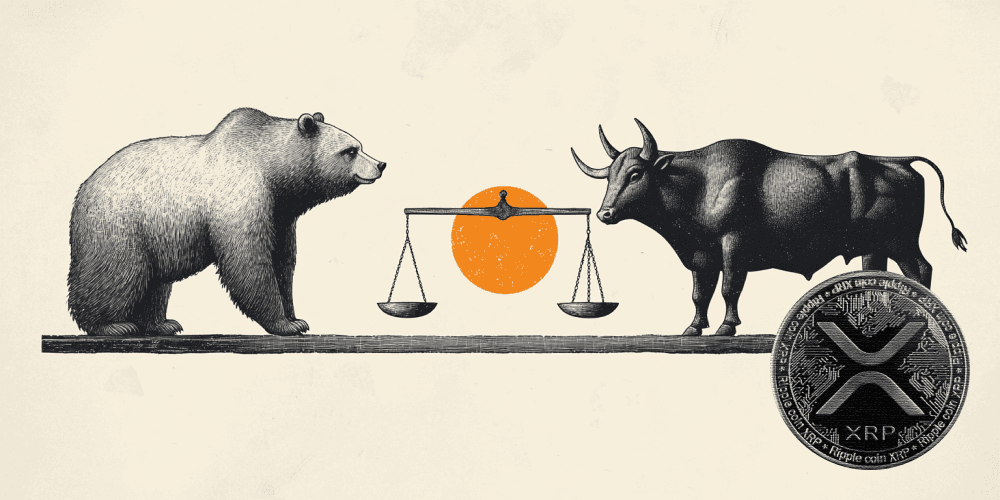
Yet beneath the market’s bullish swagger lies an uneasy truth: investors are floating in a twilight zone.
Asian equities are preparing to ride Wall Street’s momentum after Tuesday’s session delivered a defiant jolt of optimism. This U.S. jobs print landed like fresh oxygen in a room full of tariff smoke. Job openings at 7.39 million versus 7.1 million expected weren’t just data; it was a shot of adrenaline straight into the heart of a market gasping from tariff fatigue. Forget the narrative of trade-induced anemia—businesses are still breathing and, crucially, hiring.
The S&P 500 climbed 0.6%, propelled upward by its dependable cavalry of tech titans, while the dollar regained fresh footing. Asian futures, from Sydney and Tokyo to Hong Kong, appear poised to follow that cue, like surfers paddling into Wall Street’s wake, ready to catch the next swell of bullish sentiment.
Earlier anxiety stemming from the OECD’s gloomy prognosis, which cited Trump’s tariff crusade as the villain slowing the global economy, was pushed firmly to the back burner by the strength of the jobs numbers. Sure, the OECD sees the U.S. at the epicentre of tariff pain, but markets took one glance at JOLTS and saw not fragility but resilience. It’s as if Wall Street turned to the bears and shrugged, “Show me the cracks, because we don’t see them yet.”
Yet beneath the market’s bullish swagger lies an uneasy truth: investors are floating in a twilight zone. Growth is sputtering, the second half looks increasingly cloudy, and everyone knows the Fed’s rate-cut cavalry will ride in eventually. It’s already priced, already scripted—no one’s shocked by the plot twist unless, of course, inflation proves stickier than expected.
But what’s genuinely keeping equities ticking higher is the soft hum of hope—that U.S.-China tensions could thaw into something warmer than their current frosty détente. The tariff tail-risk, once a terrifying monster, now looks more like a toothless terrier’s wag, comforting investors enough to hold their ground despite the global economy’s chills.
Wall Street continues to orchestrate this global symphony. The S&P 500 touched a three-month high, Nasdaq reclaimed levels last seen in February, and the MSCI World is inching closer to global euphoria. Meanwhile, Asian indices seem trapped in the gravitational pull of U.S. tech—mere satellites floating in Big Tech’s orbit, struggling to muster their independent momentum.
Central banks globally are playing poker with a stoic face, calmly awaiting the next hand of data. The Fed stays poised, ready to cut but reluctant to blink prematurely. The ECB is sharpening its dovish knife as eurozone inflation slips below target. At the same time, Switzerland—a perennial wildcard—just posted its first deflation number in four years, prompting whispers of a negative-rate encore. Canada sits pat, digesting past rate cuts, watching sticky inflation like a hawk.
Markets are circling a macro gravity well—trapped in tight ranges since Trump and Xi temporarily silenced their tariff guns on May 12. Volatility is compressed, the dollar drifting downward, and equities inching upward. Everyone’s scanning the horizon for the next major catalyst. Perhaps the long-awaited Trump-Xi phone call could be the event that breaks markets free from their current orbit—or maybe it's just another flash-in-the-pan headline scrolling across Bloomberg terminals.
Meanwhile, beneath this serene market façade lurks a giant question mark: foreign capital’s hefty exposure to U.S. assets. America’s net international investment position is a staggering negative $26 trillion—almost a quarter of global GDP. Rather than signalling imminent catastrophe, this jaw-dropping statistic highlights a global addiction to U.S. equities, particularly the irresistible allure of Big Tech. At 74% of global market cap, Wall Street is the world’s financial gravity well.
Yet, the love affair may be showing signs of strain. Trump’s scattershot tariffs and unpredictable America-first posture have shaken global confidence. Investors worldwide are wondering if Washington remains a reliable anchor or has become a rogue source of volatility. The risk isn’t outright selling but simply a subtle, gradual slowdown in the global flow of capital towards Wall Street. Even a mild retreat in foreign appetite could ripple through the dollar, soften the bid in Treasuries, and pull the rug out from under the equity market’s feet.
We’re not in panic territory yet. But watch closely—because markets don’t always need a stampede to turn bearish. Sometimes, all it takes is for the crowd to stop showing up quietly.
Author
Stephen Innes
SPI Asset Management
With more than 25 years of experience, Stephen has a deep-seated knowledge of G10 and Asian currency markets as well as precious metal and oil markets.