American FX Outlook: Brexit headlines overshadow Fed speaker

What you need to know before markets open
- The UK Brexit Secretary David Davis and chief EU negotiator Michel Barnier are expected to meet in Brussels on Monday to thrash out an agreement on the transition period before a key summit on Thursday and Friday.
- Brexit headlines of transition period agreement clearly drive the data empty Monday before the Federal Reserve will hike rates this Wednesday together with the presentation of the near-term outlook.
Monday’s market moving events
- Atlanta Federal Reserve Bank President Raphael Bostic is scheduled to participate in an armchair chat on the Community Reinvestment Act at the "National Interagency Community Reinvestment Conference" in Miami, at 13:00 GMT.
- ECB executive board member Benoit Cœuré attends G20 Finance Ministers and Central Bank Governors meeting in Buenos Aires, Argentina.
Major market movers
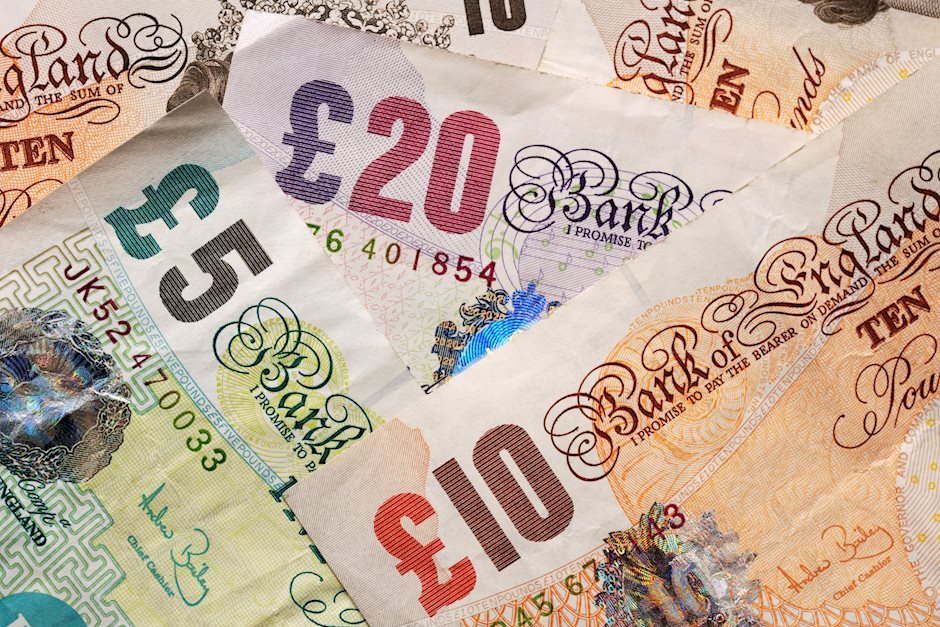
- GBP/USD is the mover of the day with Brexit transition period agreement pushing Sterling above $1.4000 level for the first time since February 26 this year.
- Euro rose against the US Dollar in tandem with Sterling while risk inverse Japanese Yen fell back above 106.00 as the major event for this week is the Federal Open Market Committee meeting this Wednesday that is expected to deliver 25 basis points rate hike with fresh dot-pot macro prediction and first conference of new chairman Jerome Powell.
Earlier in Asia/Europe
- Japan’s trade balance reached a deficit of ¥-201 billion in February, down from ¥-994. billion in January.
- Rightmove house price index rose 0.8% m/m to £300,001 in February. Over the year the UK property prices rose 1.5% y/y, while London marked the seventh months on year-to-year price decrease in February.
- Italian industrial production fell 1.9% m/m in January but rose to 4.0% over the year.
- The Eurozone trade balance is expected to reach a surplus of €23.6 billion in January.
- The Eurozone construction output fell 2.2% m/m in January rising 3.6% over the year.
Author
Mario Blascak, PhD
Independent Analyst
Dr. Mário Blaščák worked in professional finance and banking for 15 years before moving to journalism. While working for Austrian and German banks, he specialized in covering markets and macroeconomics.
More from Mario Blascak, PhD