All eyes on Powell’s Jackson Hole speech
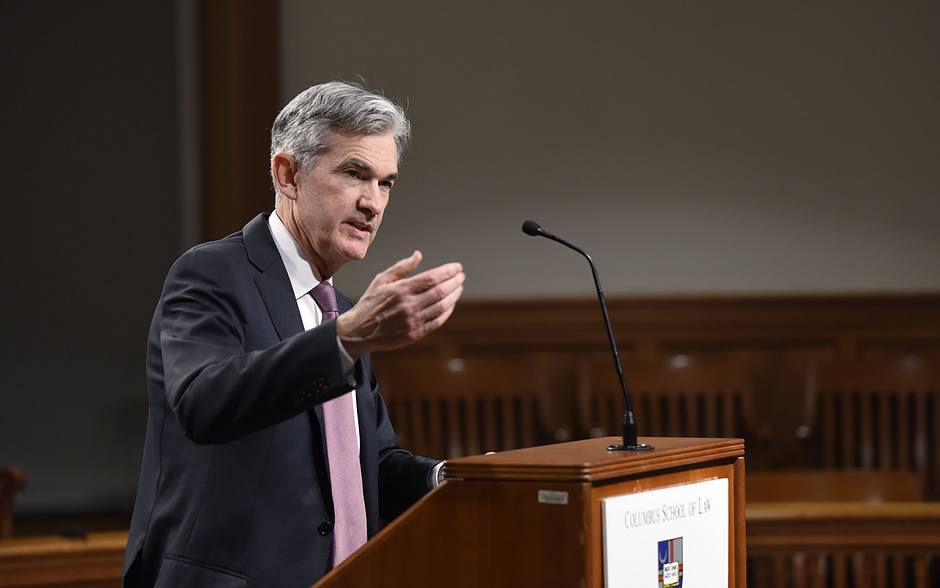

US stock markets sold off yesterday, as investors trimmed their long positions walking into Federal Reserve (Fed) Chair Jerome Powell’s Jackson Hole speech due later today – where he is expected to douse the jumbo rate cut expectations because there is no reason for the Fed to start cutting the interest rates by big chunks in the absence of a severe economic slowdown, market stress, or a crisis. This is at least what the data suggests and what other Fed members nudge toward, as well. Kansas Fed President Schmid said he would like to see more data points before supporting rate cuts. Boston Fed’s Susan Collins said that the rate cuts should be ‘gradual and methodical’. And Philadelphia’s Harker made sure that everyone understood that ‘the Fed is going to ease – but no one is portraying a desire to ease bp at this time’. As such, the US 2-year yield rebounded to 4%, the 10-year yield settled near 3.85%, the US dollar index rebounded from the lowest levels since December and the major US indices fell. The S&P500 erased 0.90% while the technology-led Nasdaq 100 lost near 1.70%. The Russell 200 index fell almost 1%. Now, everybody is holding his or her breath to hear what Powell has to say, or not say.
The swap markets continue to price in around 95bp cut from the Fed from September to the end of the year. A this-size cut means that the Fed should cut its rates every time it meets this year and cut by 50bp in one of the meetings. From where we stand right now, it seems more likely that this will not happen than the opposite. Therefore, the pricing must readjust to match at least a 75bp cut by the year end. The real risk here – for the doves – is if the Fed starts cutting rates in September and decides to pause – like did the European Central Bank (ECB) in July for example. If that’s the case, if there is a pause to Fed rate cuts in November, then the year will end with only a 50bp cut for the Fed – and that could weigh heavier on risk appetite and give a serious positive jolt to the US dollar.
Data-wise
The numbers released yesterday were a mixed bag in the US. The jobless claims came in as expected, near 230K last week, and continuing claims rose less than expected, the US manufacturing activity slowed more than expected – and at the fastest speed this year, while US existing home sales rebounded.
Over in Europe, the Paris Olympics gave a temporary sugar shot to the French services – hence tilted the Eurozone PMI numbers to the upside, but filtering out the Olympics, the numbers looked gloomy. Figures from Germany, particularly the manufacturing index, confirm that the situation is still not improving for the Eurozone’s former growth engine. The soft data, along with a broad based rebound in the US dollar, pulled the EURUSD lower yesterday. The pair found support near the 1.11, but the support could be easily pulled out from under the euro bulls’ feet if Powell confirms that the rate cuts will be gradual in the US.
Across the Channel, Cable retreated yesterday after hitting a more-than-a-year high, yet the sterling selloff was softer as the PMI numbers printed the strongest growth in four months with cooling price pressures. The UK economy has been performing better than the major peers so far this year, and that’s a blessing for the pound that hasn’t seen the daylight since Brexit. But be careful, a part of the shine is due to the USD selloff, which is likely exaggerated and calls for correction.
Elsewhere, Bank of Japan (BoJ) Governor Ueda reaffirmed before the Japanese policymakers his envy to continue raising the rates if inflation remained sustainably above the 2% target – which is the case. Headline inflation remained steady near 2.8% for the third month and core inflation hit a 5-month high. Regarding the August shake, Ueda said that the volatility was due to the rising US recession odds triggered by the US’ own economic data and that the BoJ’s hike helped reversing the one-sided yen trades. The USDJPY didn’t react much, but the JPY bulls strengthen their position in expectation of further BoJ normalization.
Elsewhere, gold retreated below $2500 per ounce and US crude rebounded near the $72pb level, the August support, as dipbuyers preferred returning to the market on hope that rate cuts from major central banks could boost global oil demand.
Last word
What has been a calm week could see a last minute volatility with Powell’s Jackson Hole speech. Powell will probably not show up with a game-changing speech today, but his words should temper overpriced cut expectations. If that’s the case, we shall see the US dollar rebound from oversold levels, yet appetite in stocks could remain intact with prospects of lower rates into the year end.
Author
Ipek Ozkardeskaya
Swissquote Bank Ltd
Ipek Ozkardeskaya began her financial career in 2010 in the structured products desk of the Swiss Banque Cantonale Vaudoise. She worked in HSBC Private Bank in Geneva in relation to high and ultra-high-net-worth clients.