AI shares an intrusive thought
S2N spotlight
If you’ve been following financial media over the past few weeks, you’ve probably seen the debate about whether the current AI-fuelled rally is a bubble. I’ve said many times that I believe it is—but the bubble question is almost secondary to a more immediate issue: what AI is about to do to jobs.
Company after company is now laying off staff while insisting the remaining employees “embrace AI or get left behind.” CEOs aren’t hiding it anymore. They’re effectively saying: your productivity must increase, or your position will disappear.
One of the few arguments used to slow the pace of AI adoption has been its “black box” problem — if we can’t explain its reasoning, we can’t deploy it widely. That safety valve may now be breaking. New research from Anthropic shows that large language models are beginning to develop rudimentary introspection — the ability to inspect and report on their own thinking.
It only works about 20% of the time, but the key insight is the trend: introspection emerges naturally as models get smarter. Newer models dramatically outperform older ones. As one researcher put it, “The models are getting smarter much faster than we’re getting better at understanding them.”
Why does this matter?
Because the explainability barrier — one of the last institutional brakes on AI deployment — is starting to erode. And once it goes, the adoption curve accelerates. More businesses will restructure, automate, and eventually lay off staff, not because they want to, but because the economics become too compelling to ignore.'
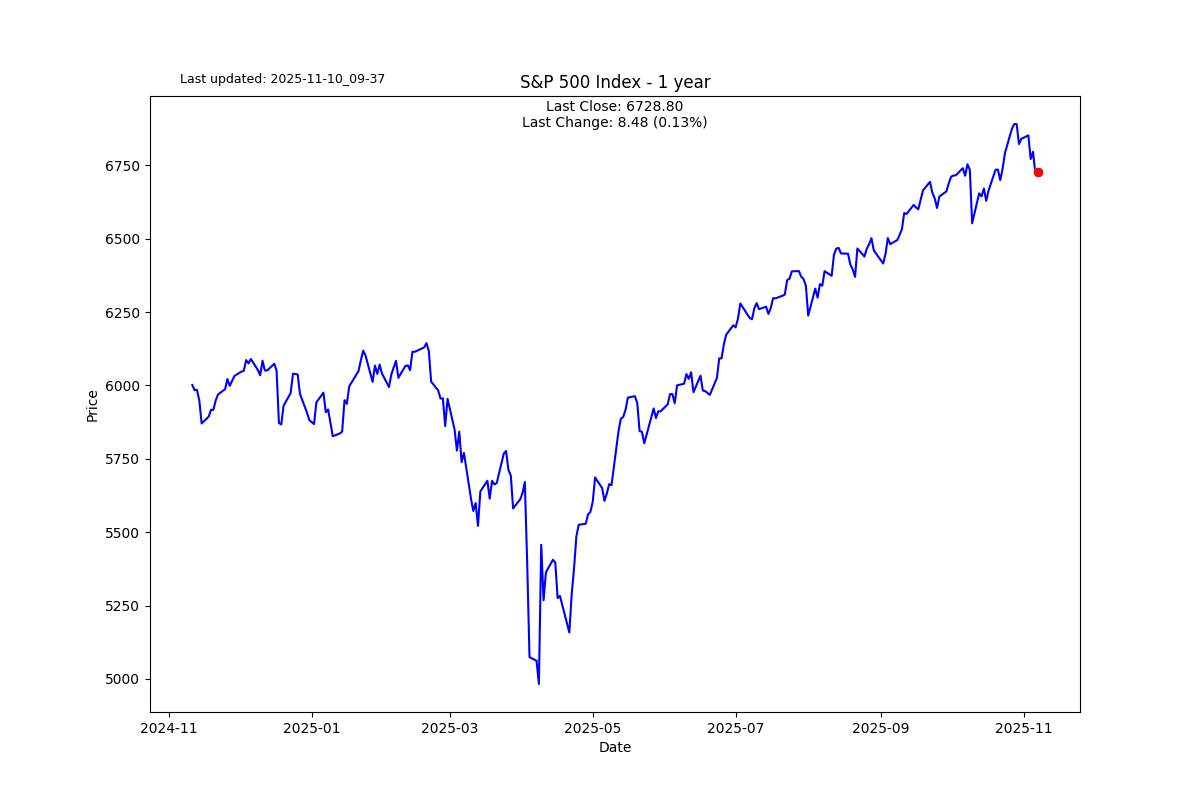
The market is fully pricing the AI bull story.
It is not pricing in the AI employment bear story.
The uncomfortable truth is that in this cycle, winning and losing are two sides of the same coin. AI will create enormous wealth — while simultaneously hollowing out the labour market that used to benefit from that wealth. Where you sit in that equation is becoming the single most important financial question of the decade.
S2N observations
I feel a need to make a comment about the U.S. government shutdown. People have entirely ignored it and its consequences. It doesn’t save money—it burns it. Workers are furloughed but still paid, GDP takes a hit, key economic data stops, and markets typically price in dysfunction. This isn’t really happening despite it being the longest shutdown in history. Tourism, small businesses, and federal services stall while confidence erodes. It’s pure deadweight loss dressed up as fiscal discipline, with lasting economic and behavioural damage. There is so much ego and political points at stake right now that this is likely to drag on further. We should not dismiss the consequences; they could be long-lasting.
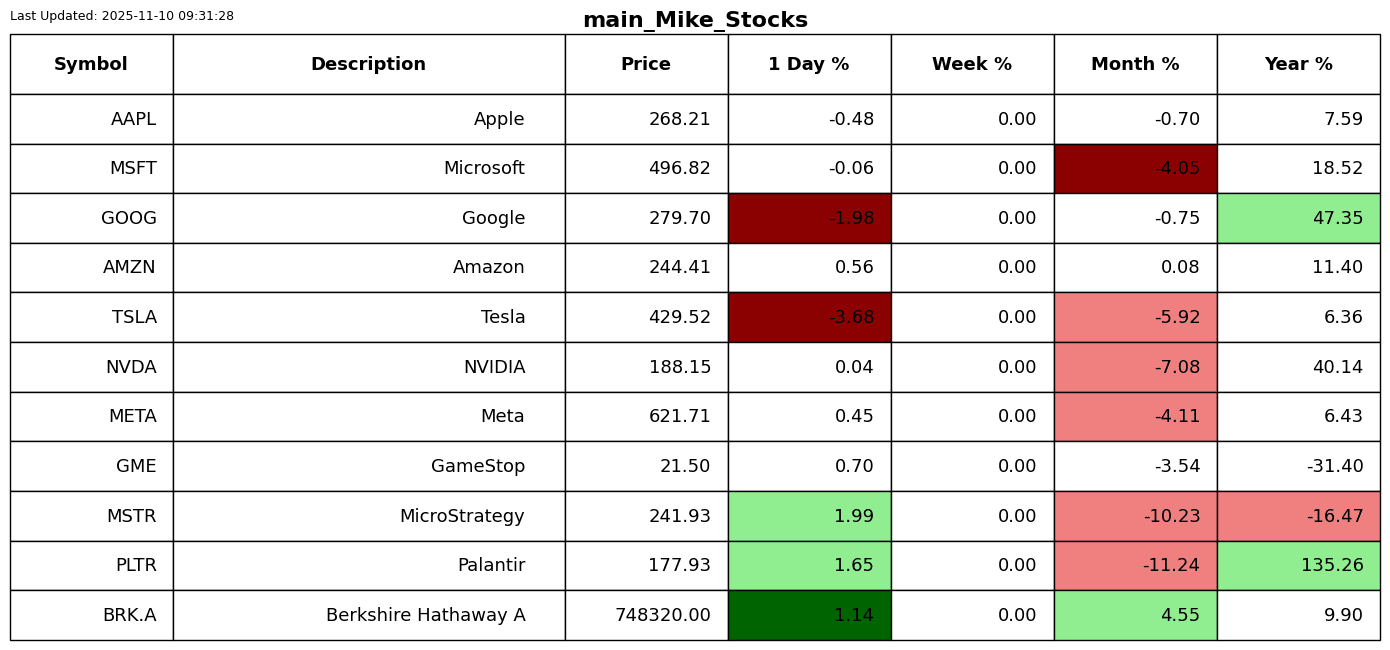
I have been writing for a while about my short MicroStrategy and long Bitcoin trade. I was surprised to see that Jim Chanos, probably the world’s greatest short seller, closed his trade playing the same game. He feels the premium from around 2.5x to 1.23 has done enough to call it a day.
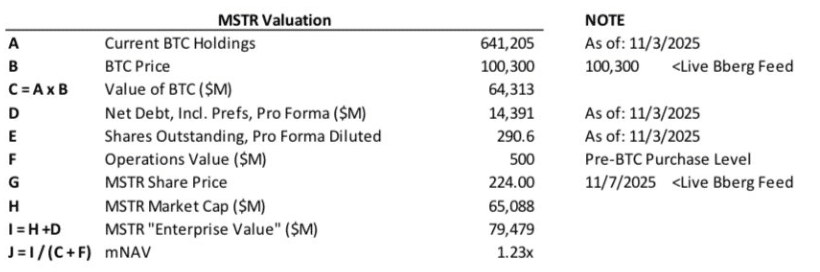
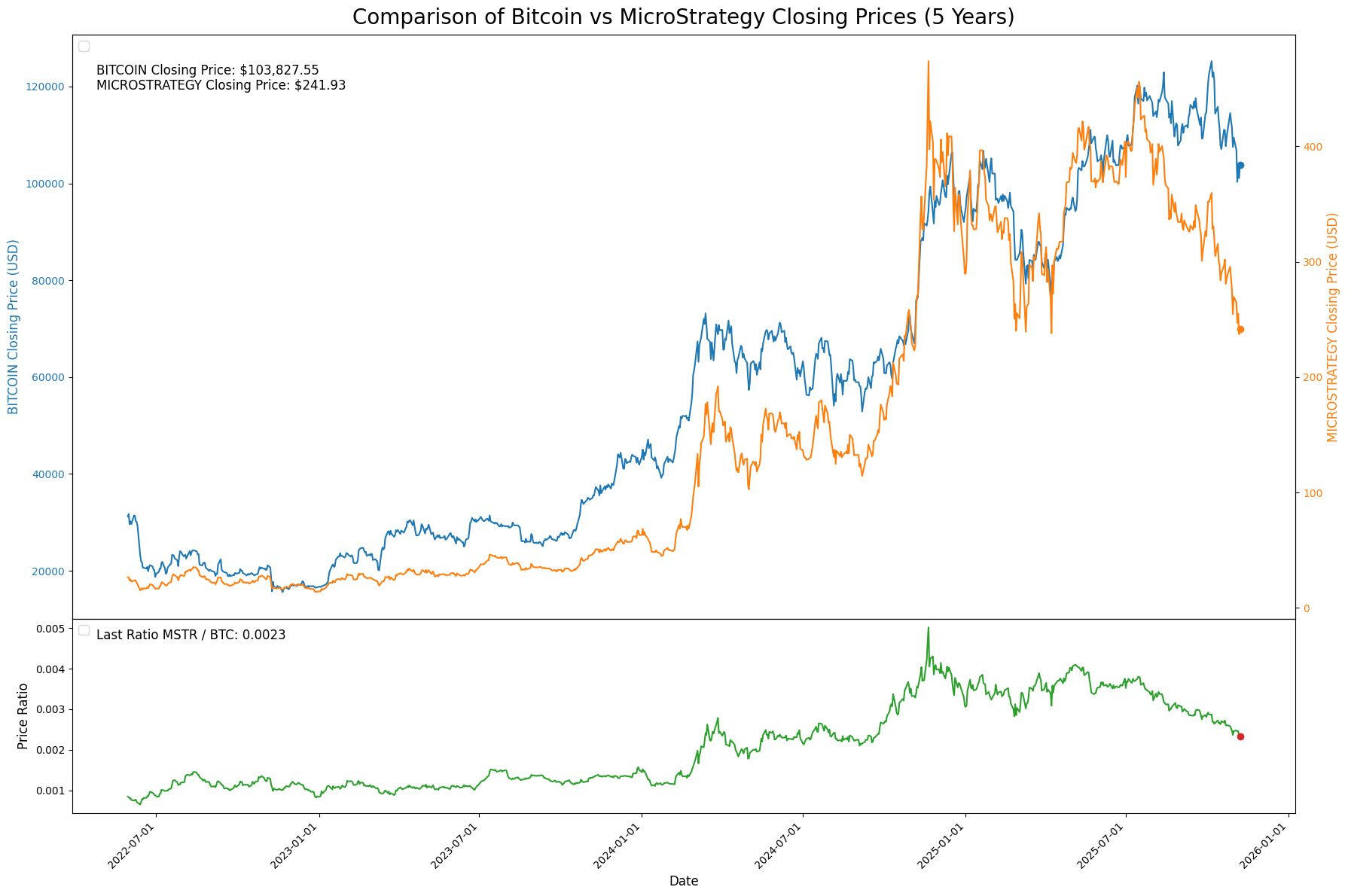
I stand by my view that the premium will soon become a discount, and the ratio per my chart below will be closer to 0.01 when this trade is fully done. Michael Saylor is desperate to raise more money, offering to bump up the yield on MicroStrategy preferred’s.
In summary, I am still a believer in this relative trade.
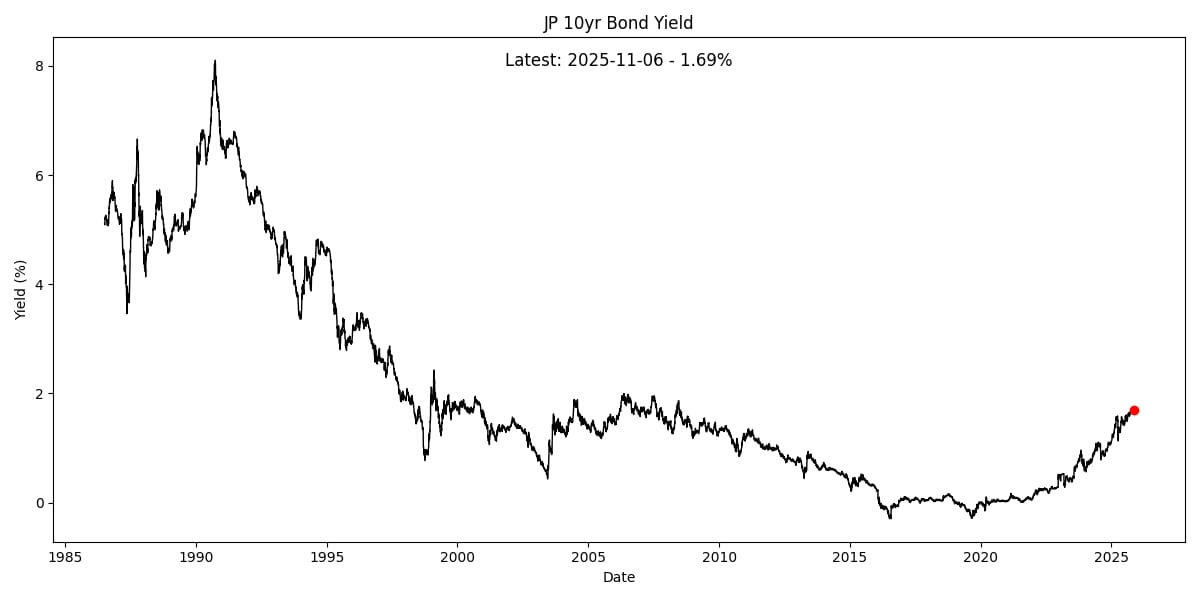
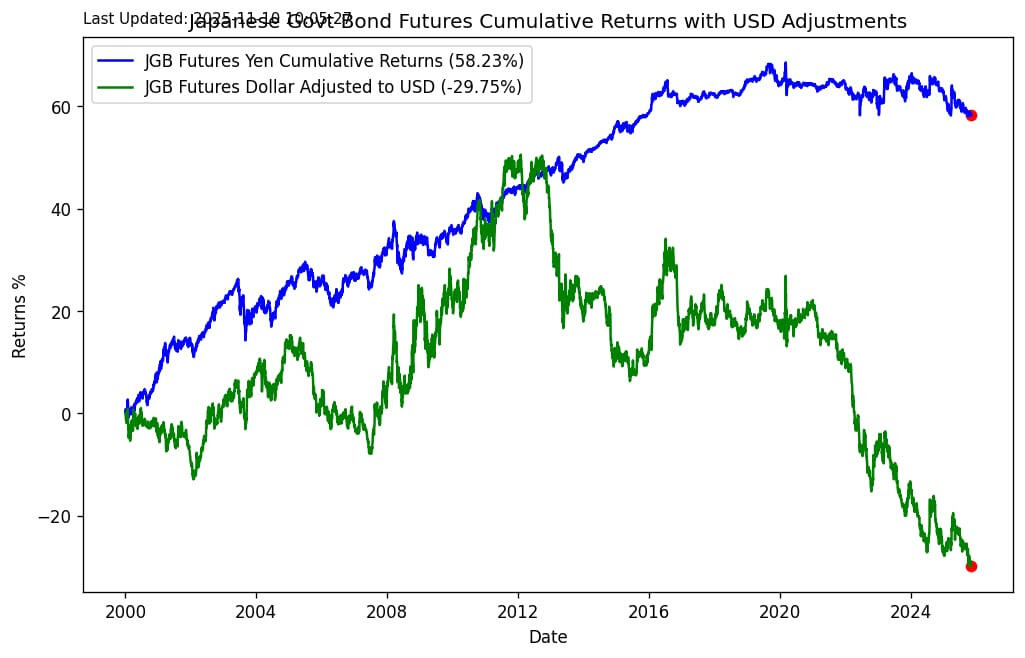
I came across this chart in my library that I haven’t been following too closely. JGB are Japanese Government Bonds. They were and perhaps still are the backbone of the carry trade; that is when you go short the Japanese bonds, which were trading at near zero, and go long a higher-yielding currency, such as the US. What I find interesting is that although the Japanese 10-year is trading at a yield of 1.69%, the trade has been very good for traders whose base currency is US dollars.
Perhaps this makes it easier to understand my point: the weak Yen has been a great boost to the carry trade.
S2N screener alert
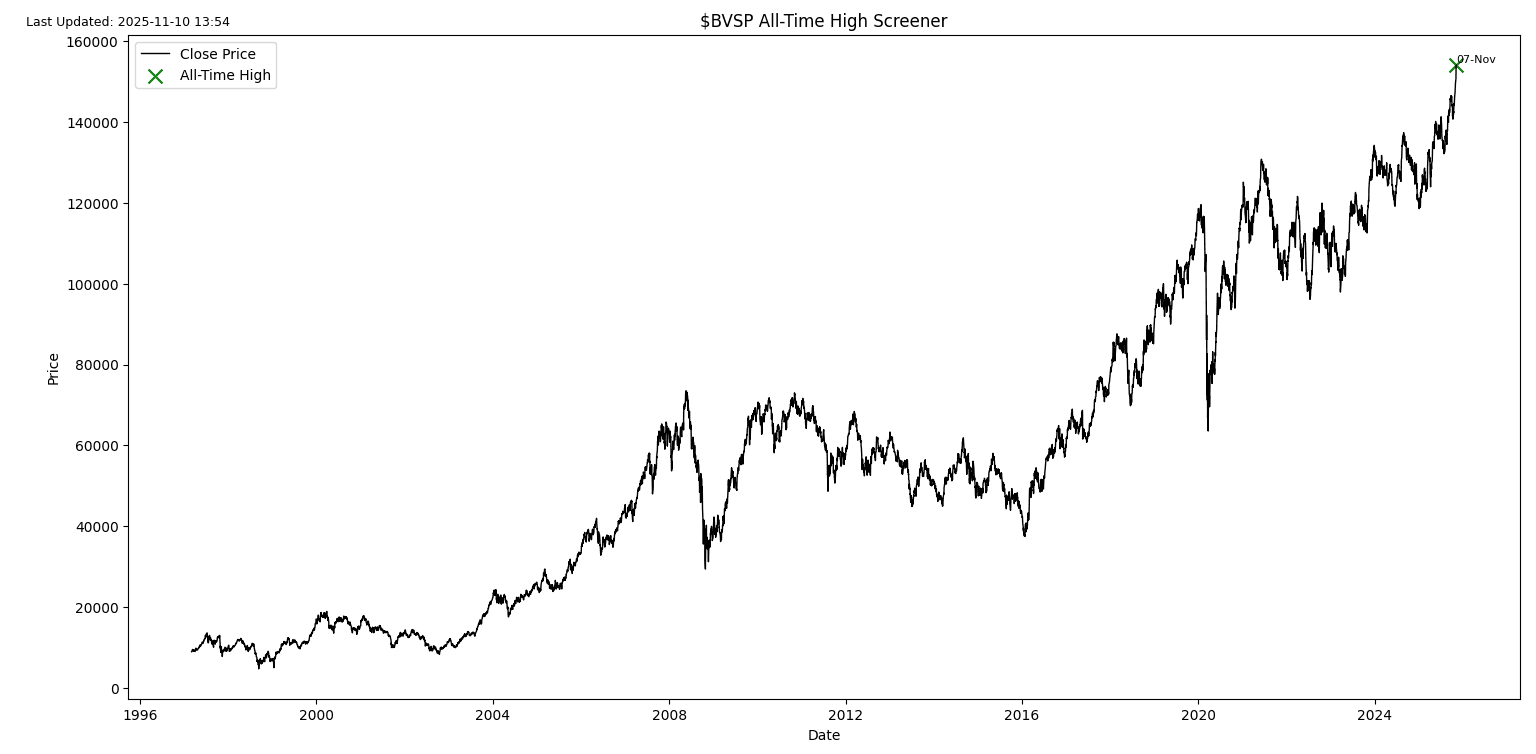
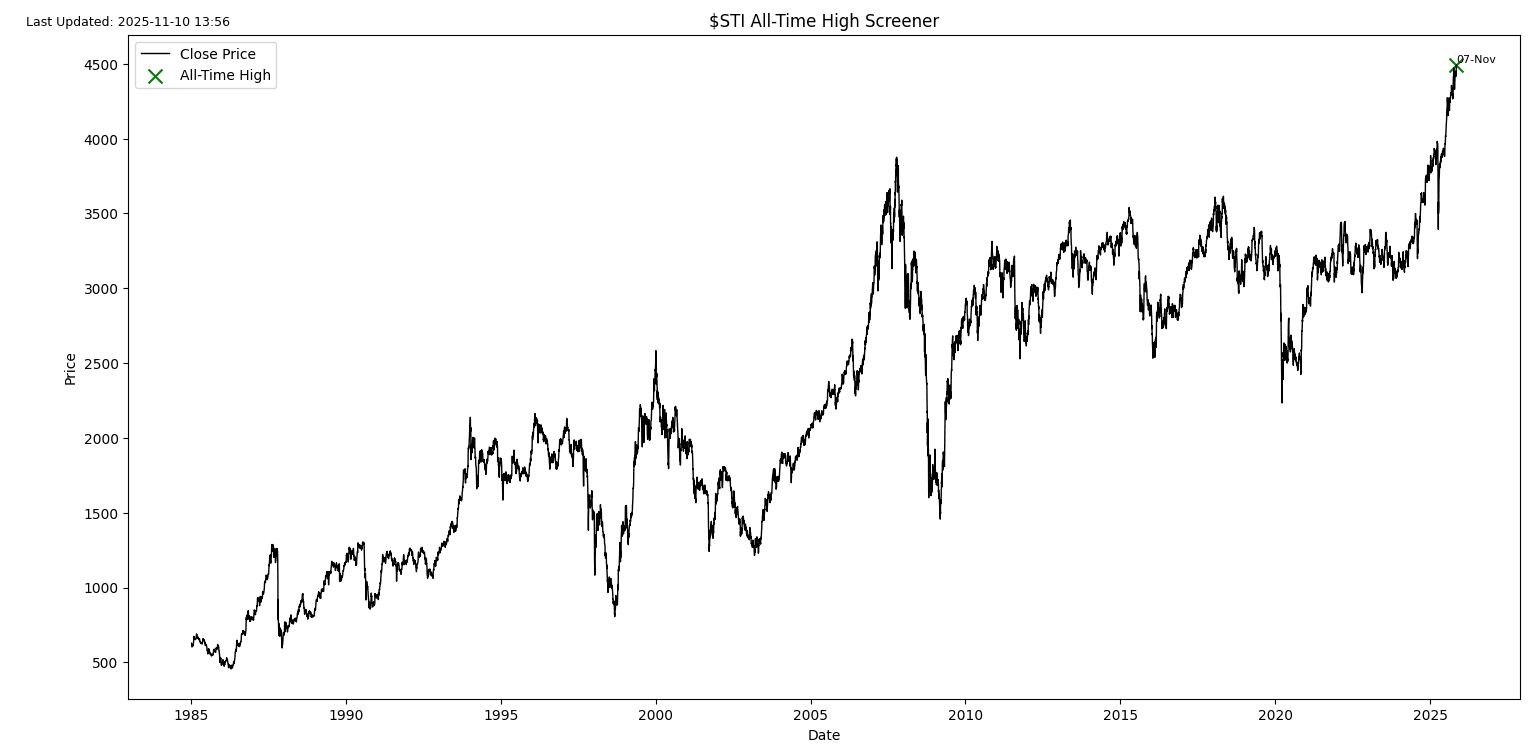
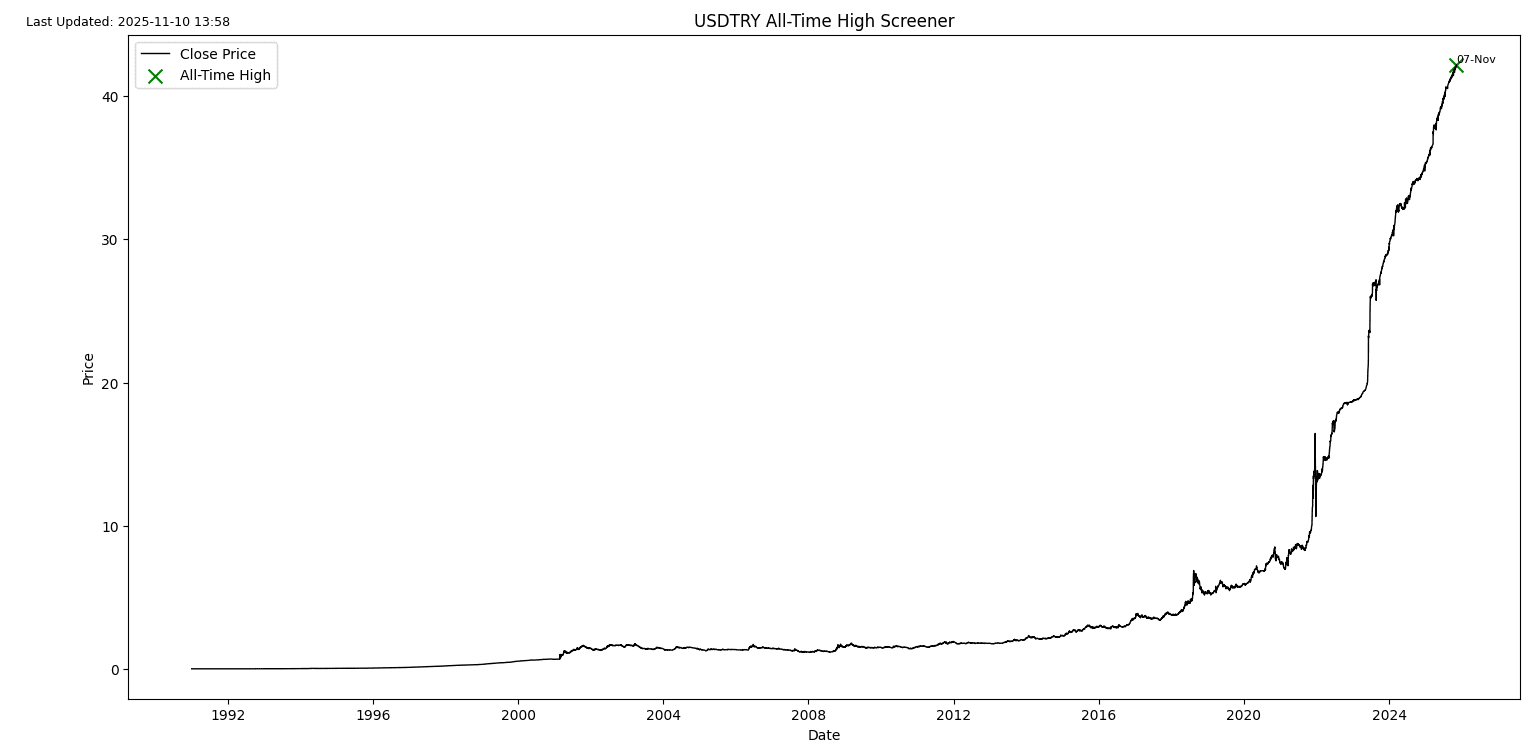
The Brazil Stock Exchange made a new all-time high, as did the Singapore Stock Exchange. The Turkish Lira made a new ATH, which is actually an all-time low.
S2N performance review
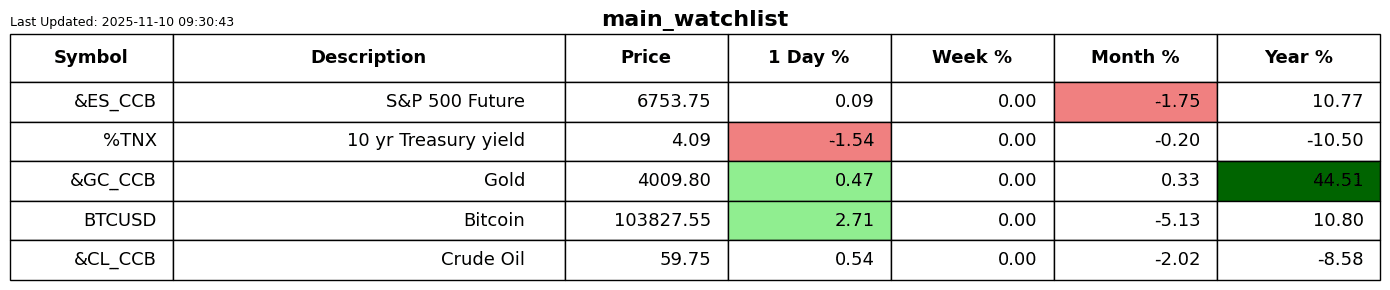
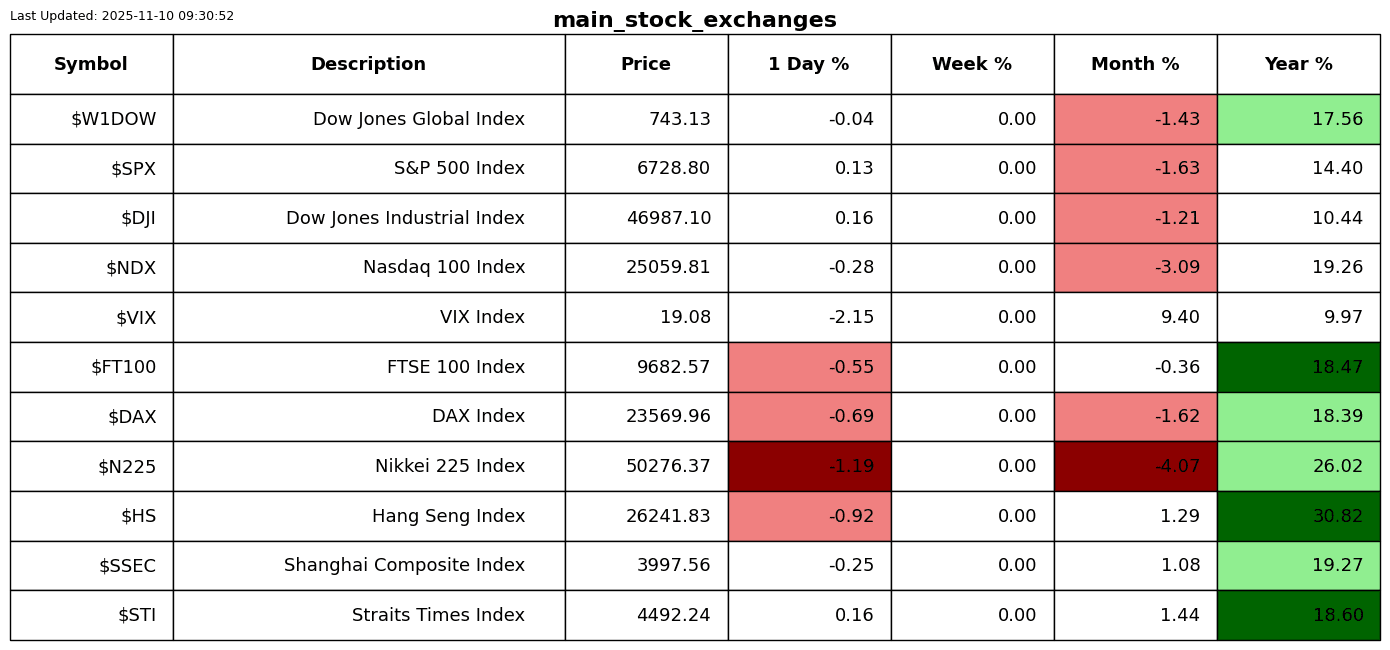
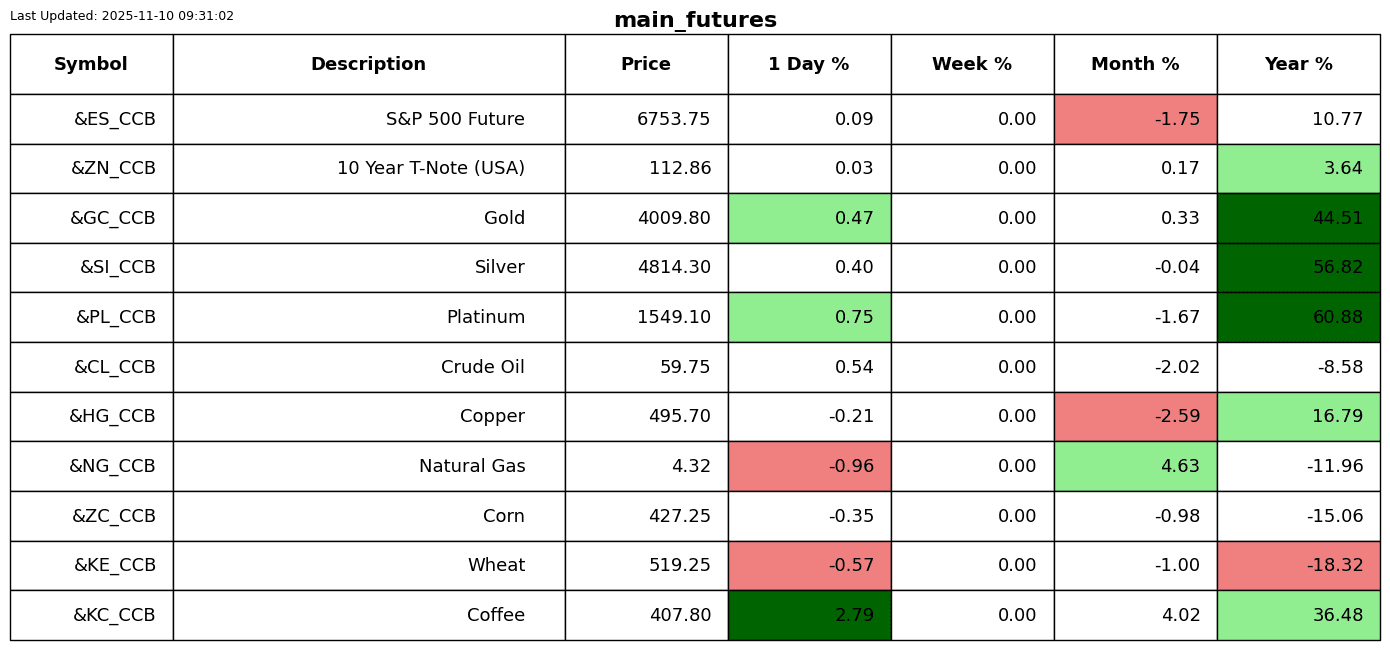
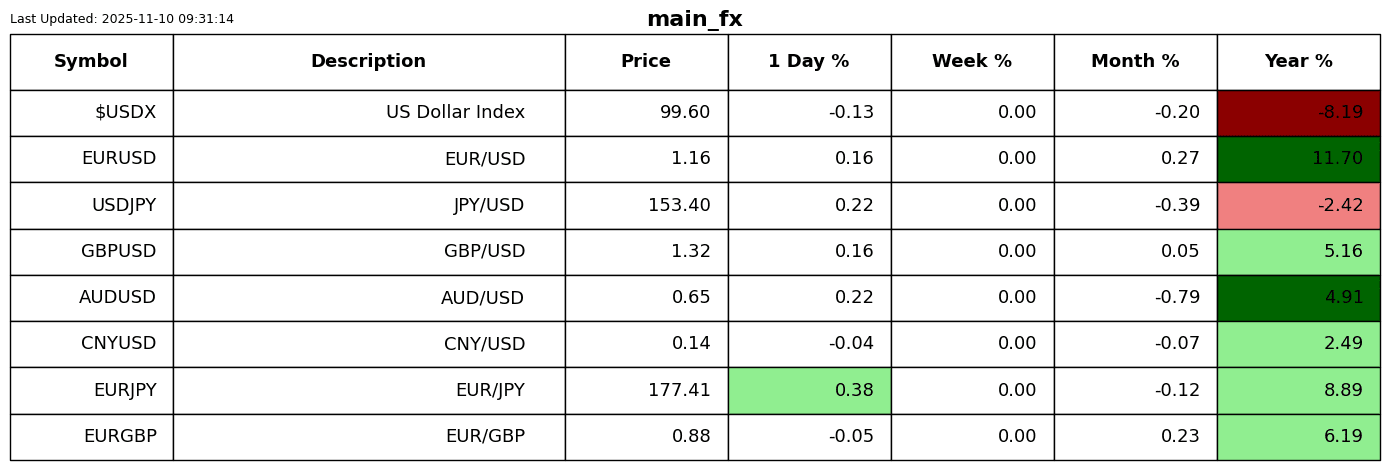


S2N chart gallery
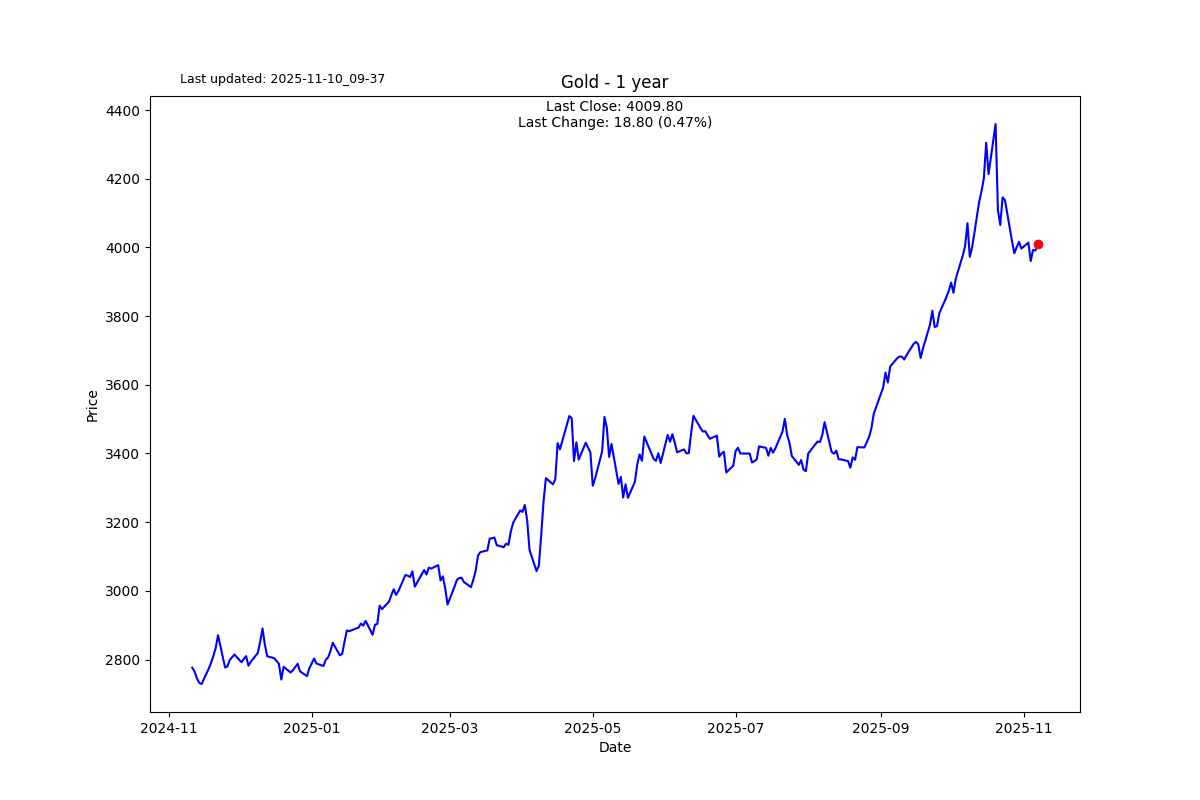
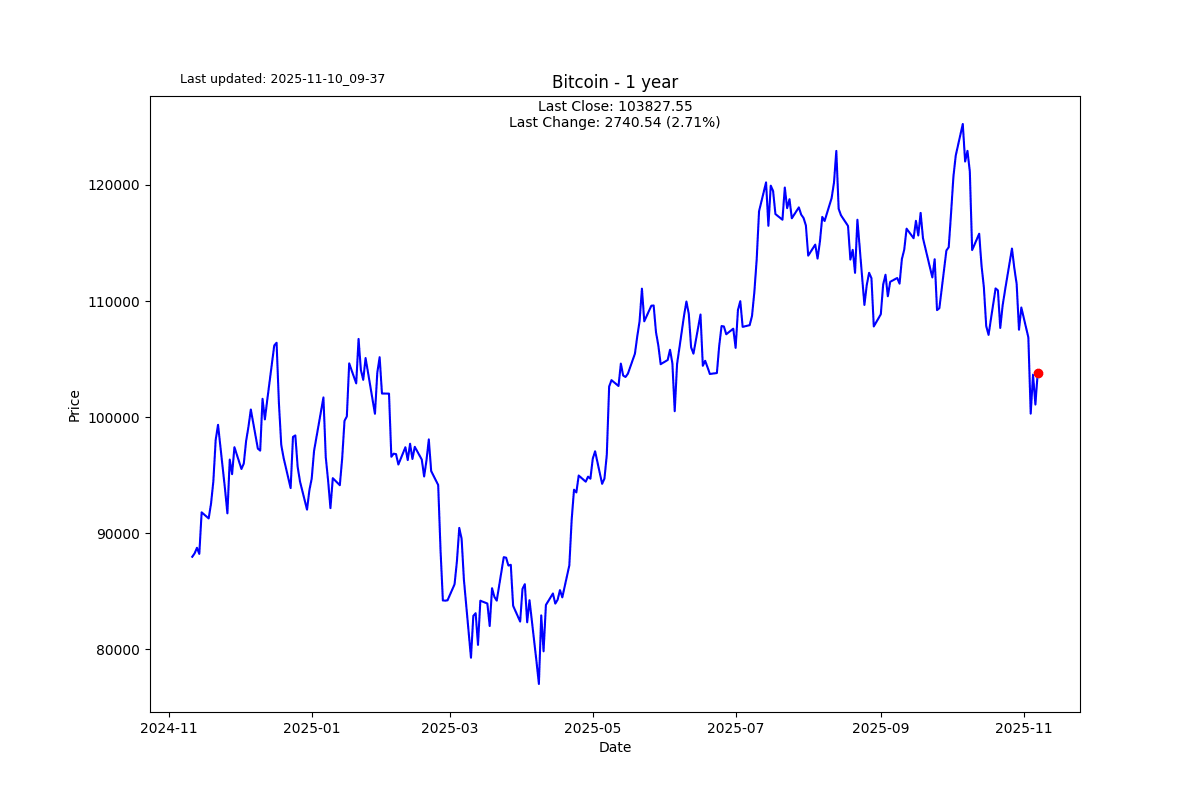
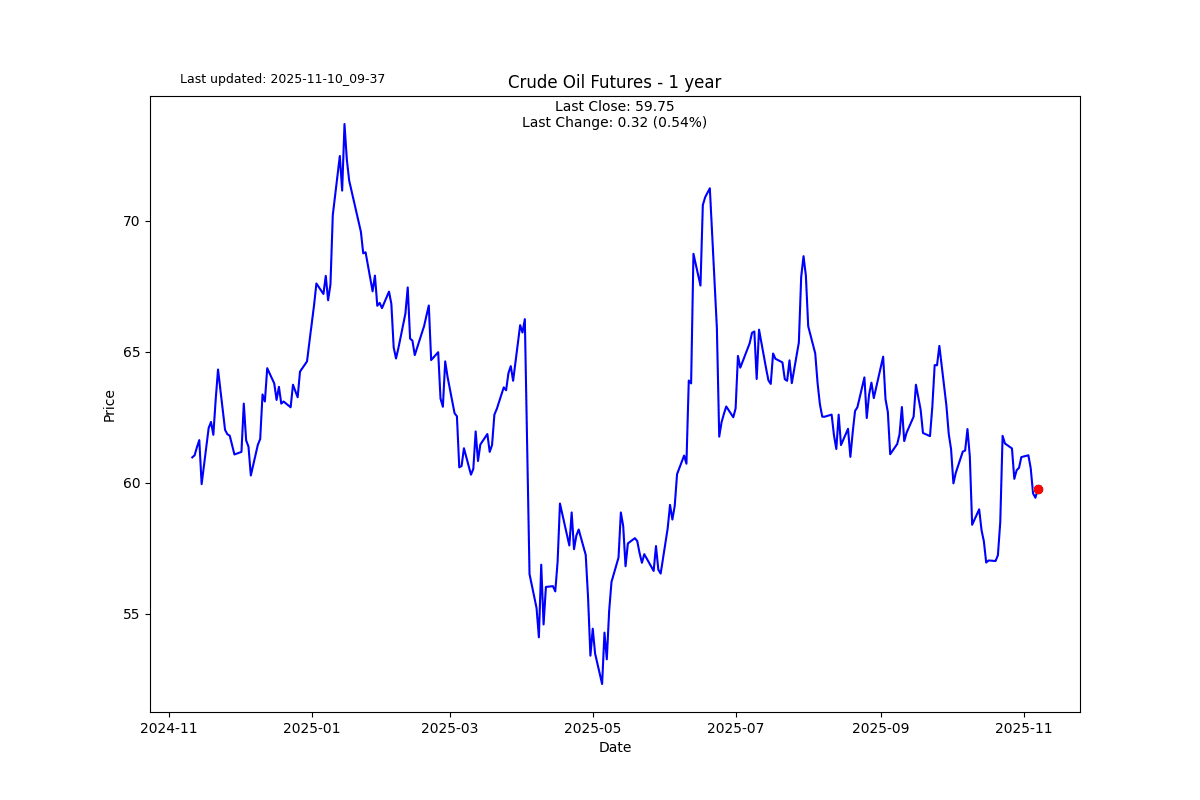
S2N news today

Author

Michael Berman, PhD
Signal2Noise (S2N) News
Michael has decades of experience as a professional trader, hedge fund manager and incubator of emerging traders.

















