Aggression doesn't always mean better, but sometimes it does
S2N spotlight
I have been horribly distracted over the past 24 hours with some new Python tools that I am struggling to get working, so I will keep this brief today (as I proofread this, it wasn’t so short). Hopefully you will see the dividends of this struggle soon.
I recently came across an ETF by BlackRock. The ticker is AOA.
The iShares Core 80/20 Aggressive Allocation ETF seeks to track the investment results of an index composed of a portfolio of global but predominantly US equity and fixed income funds intended to represent an aggressive target risk allocation strategy.
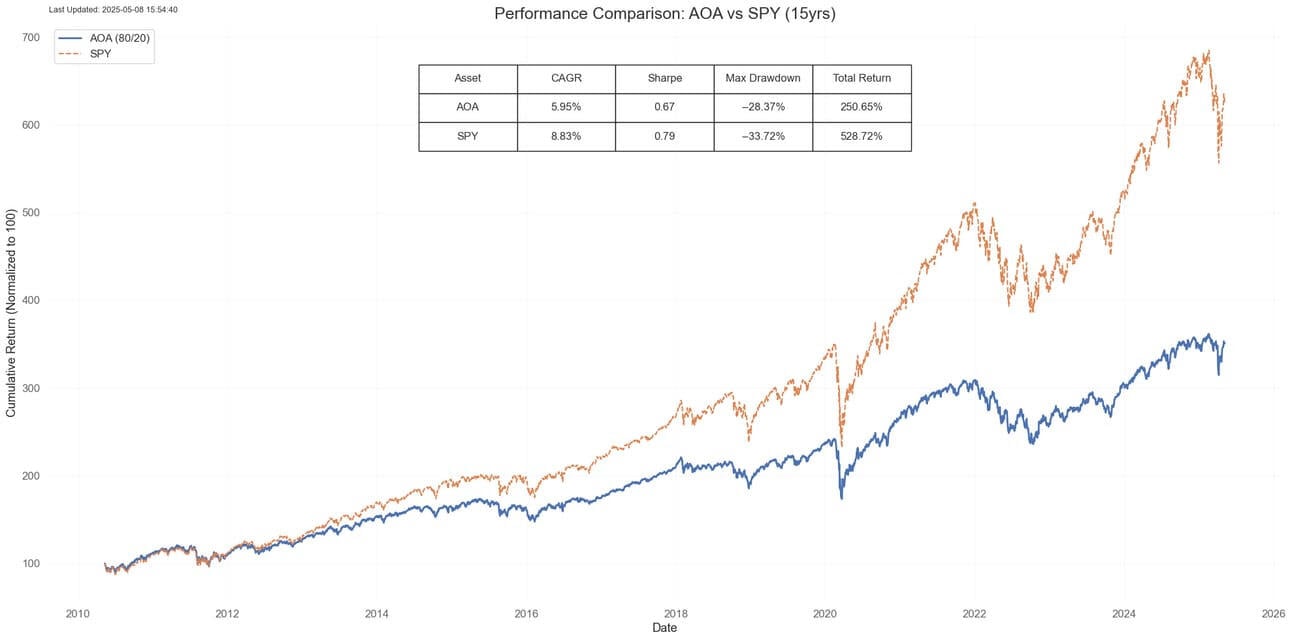
I am really interested to see how this compares to both the S&P 500 and other traditional portfolios such as 60/40. Let us take a look.
Dang, it is hard to beat the S&P 500. The $SPY (0.42% ) wins both in total and risk-adjusted performance.
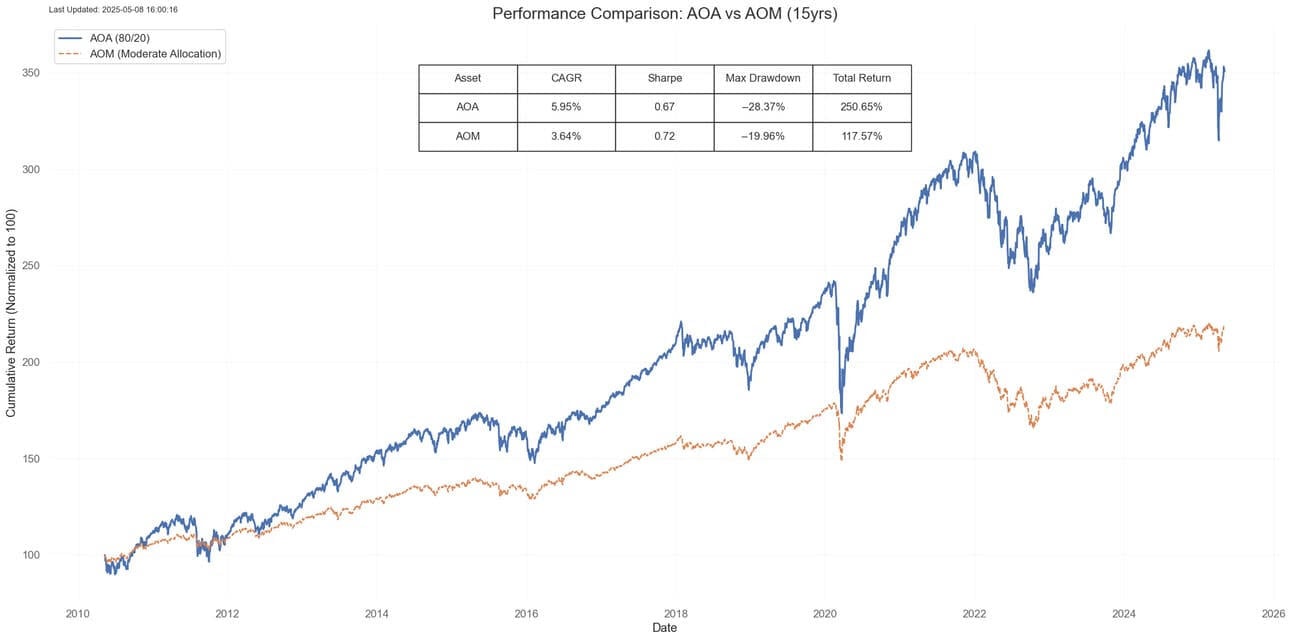
A 60/40 portfolio ticker AOM outperforms the aggressive portfolio on a risk-adjusted basis. I guess you would expect that. However, the aggressive outperforms on a total return basis. I guess you have expected that.
The part that is so interesting is that the SP500 outperforms on both counts. Trump should have left the first and last letters off his slogan MAGA. America’s Great.
S2N observations
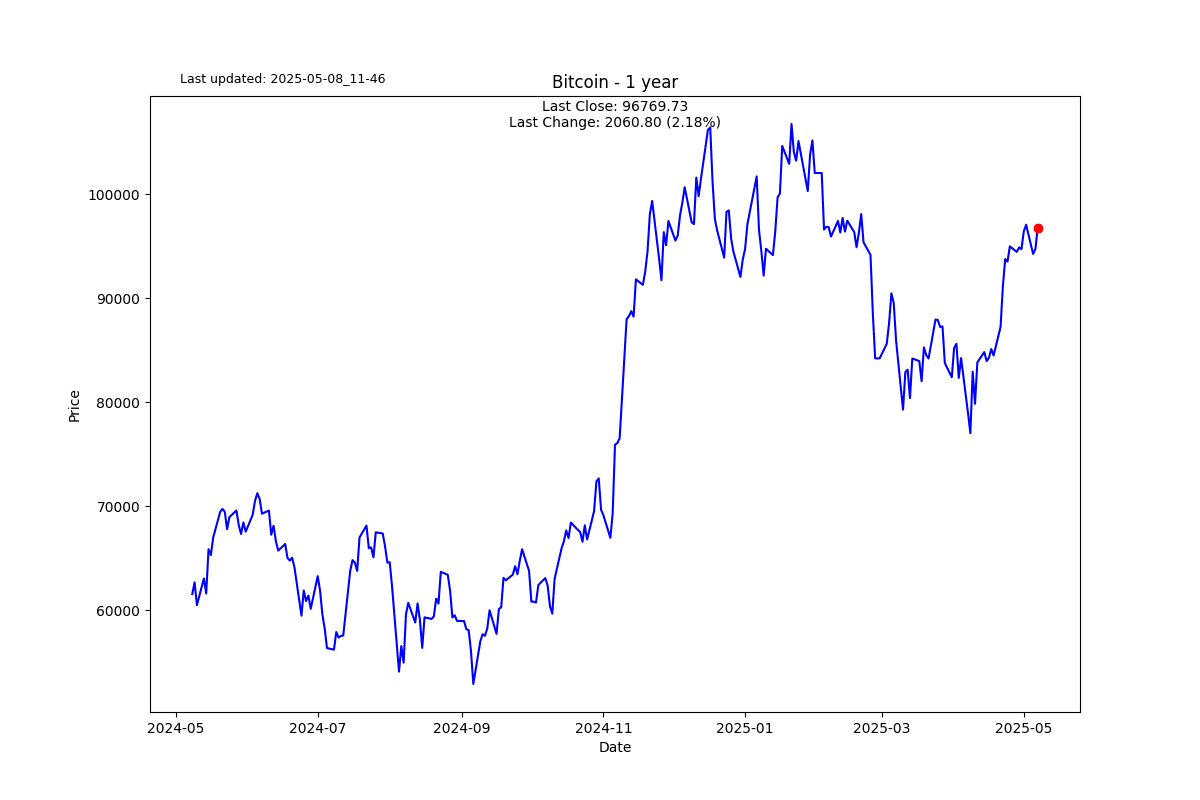
I think I have perhaps been too contrarian with my views on Bitcoin $BTC (1.33% ) . I have stated before that I think you should have 1-3% of your wealth in this asset, as it is simply too risky not to have exposure to it. I have always believed it has tremendous potential, and I have always felt that it could go to zero.
I simply cannot ignore the structural news coming out at the moment with more and more adoption. I still classify this as highly speculative, but I simply cannot try and time an entry. As of now I think 1% exposure is the right risk-reward.
Ohio Governor candidate Vivek Ramaswamy’s Strive Capital is to go public as a Bitcoin treasury business. BlackRock, with $10 trillion under management, is recommending a 2% allocation to all institutions. Many states in the US are looking to adopt Bitcoin as a treasury reserve.
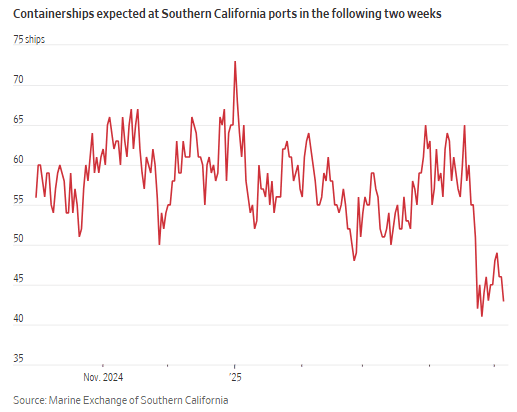
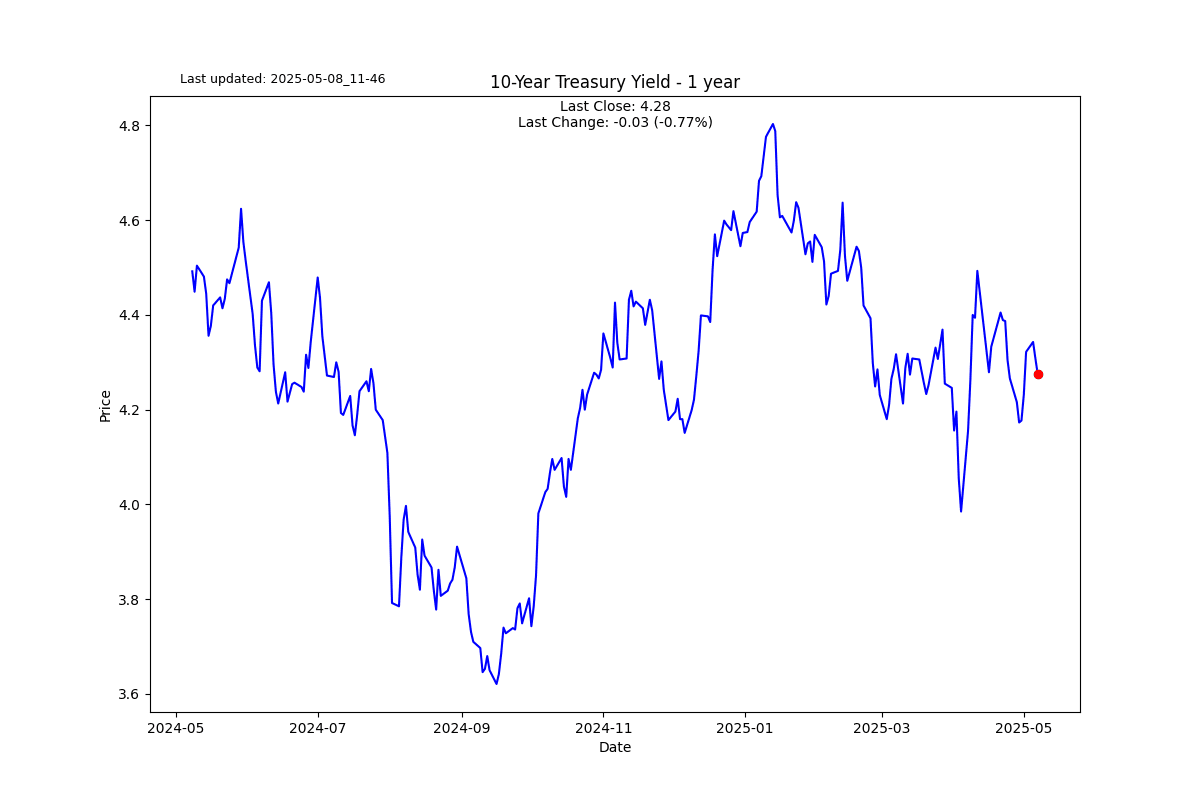
The US economy is heading towards stagflation; the Fed held its nerve as it is more worried about inflation than the threat of job losses. Goods being shipped to the US are dropping dramatically. This is not due to lack of demand; this is tariff-related and is likely to be inflationary—that is what supply shortages do.
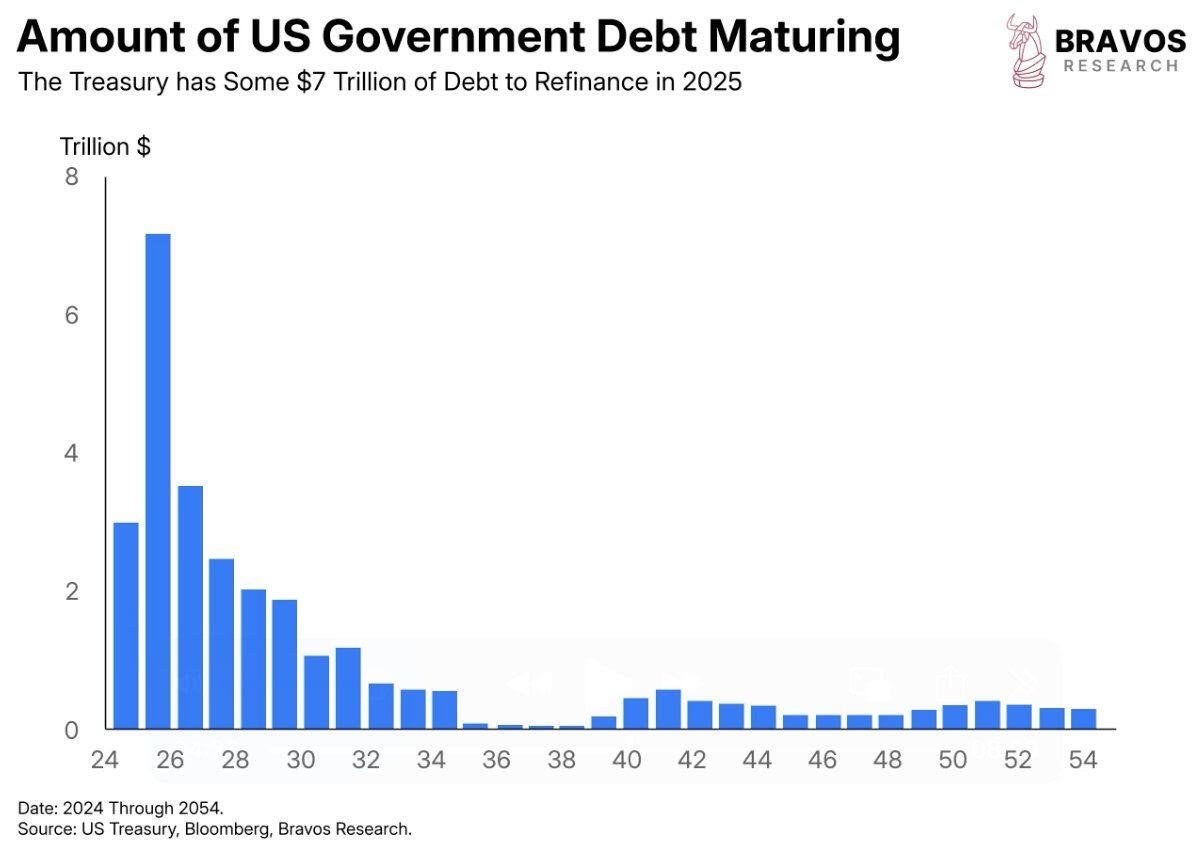
The chart below is a good visualisation of the debt maturing over the next few years. That is a lot of debt that needs to be refinanced at higher rates than when they were issued.
I came across this tweet by Peter Schiff. According to Jeff Gundlach, Scott Bessent discussed extending maturities and lowering coupons on Treasuries held abroad. This is tantamount to a default. The fact that a sitting U.S. Treasury Secretary is speaking publicly about default should cause foreigners to dump Treasuries.
Peter has his own style and definitely likes hearing the sound of his own voice, but he is smart and understands economics better than most.
A final comment on human nature.
I subscribe to this new site called Musk Watch, which is a non-profit that is trying to track every cent that DOGE saves. It's not surprising that the Trump administration is trying to get the site taken down.
The data reveals that Musk has delivered 0.25% of the promised federal spending cuts. This week he was having a farewell party, as he claims the bulk of his work is done and he is heading back to Tesla HQ to try and hang on to his job.
Trump loves to do everything bigger and better; the savings are going to prove incredibly hard to achieve, especially with a government that is highly indebted and paying a sh1t tonne of interest, facing stagflation. Interest expenses actually dropped, believe it or not, last month, but they are still ridiculously high.
Back to Musk, before going before the press to announce his targeted savings, he sat with Howard Lutnick trying to come up with a number. Apparently they struggled to get to 1 trillion but agreed they will go with that number.
Musk took the floor and had the world press at his feet. I think he got a little tingly, and before he knew what he was saying, his ego blurted out that he is targeting 2 trillion in savings. Musk and Trump are cut from the same cloth.
S2N screener alert
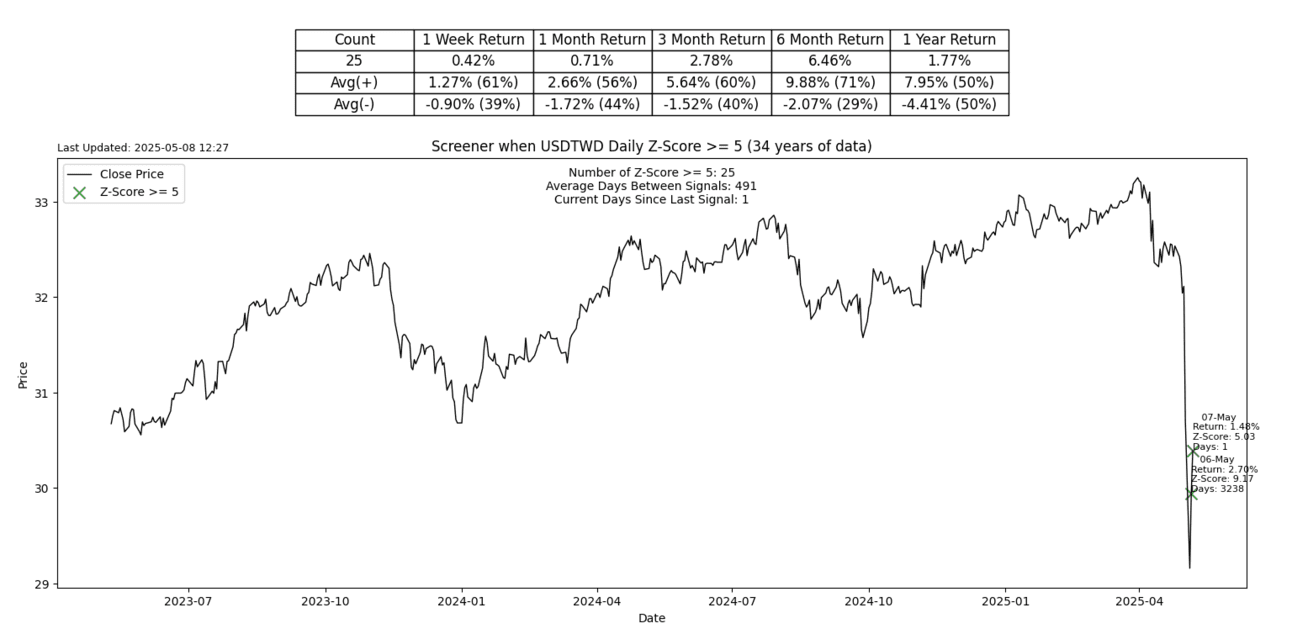
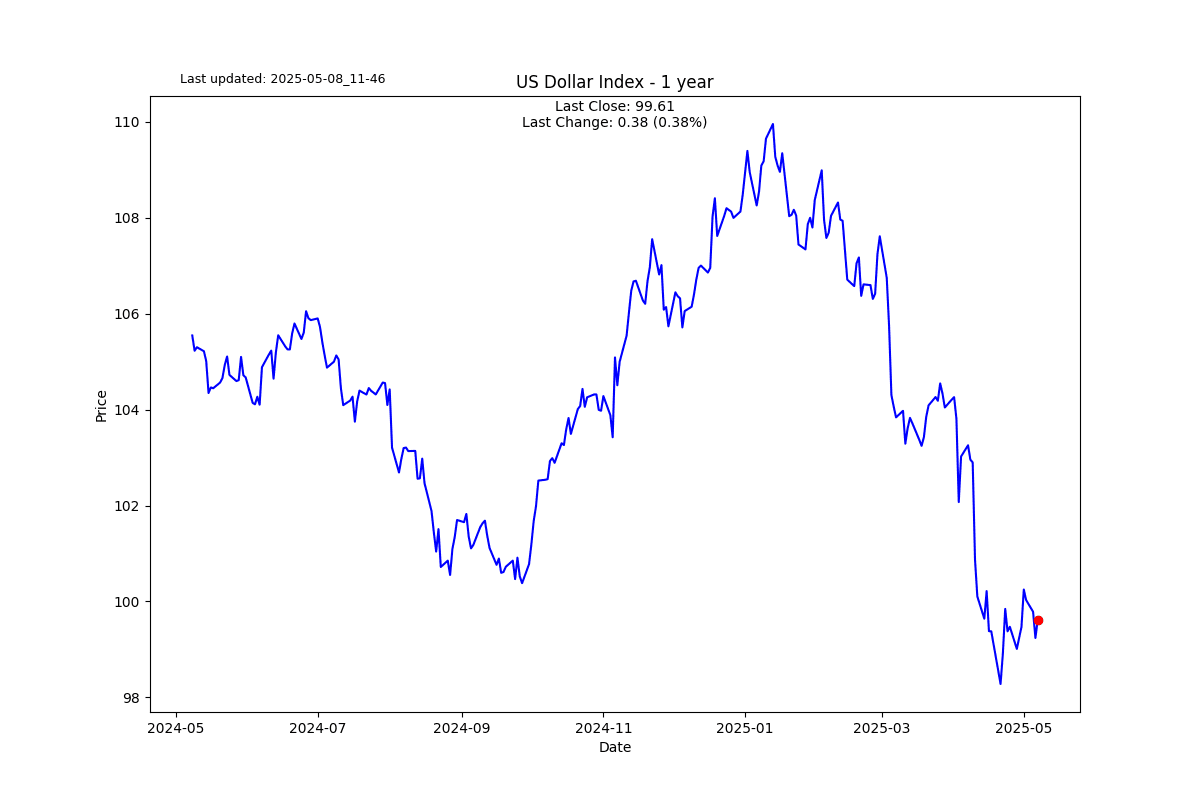
Trading the Taiwanese dollar has been wild. We got further weakness in the Taiwan dollar but strength in the US dollar.
S2N performance review
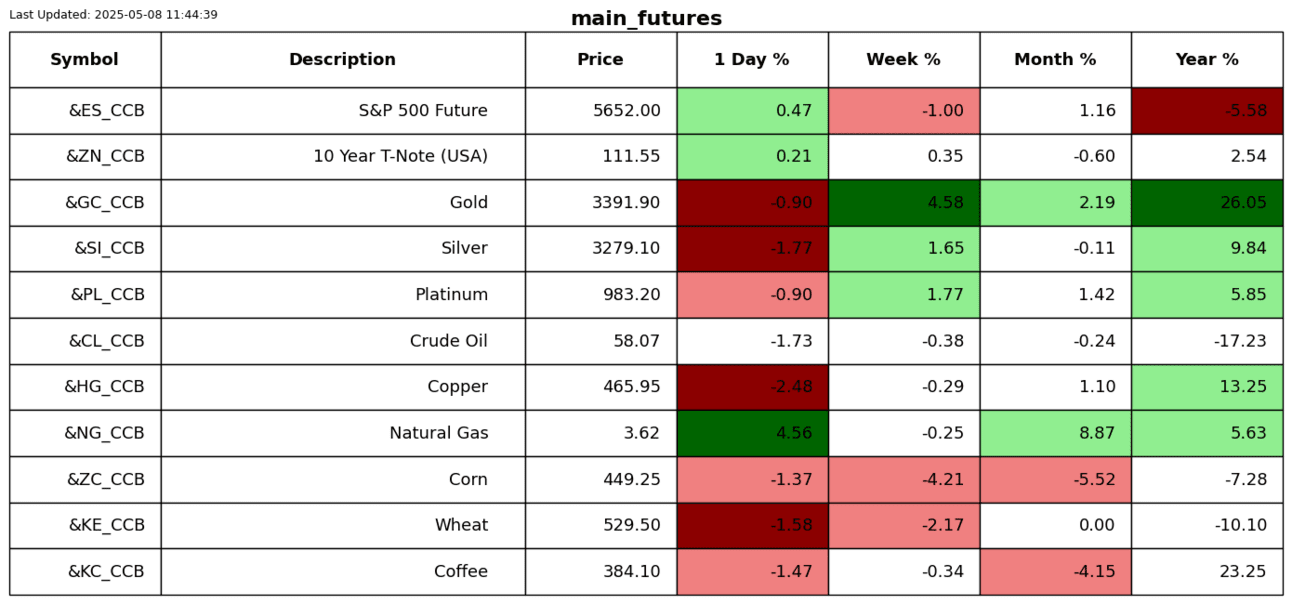
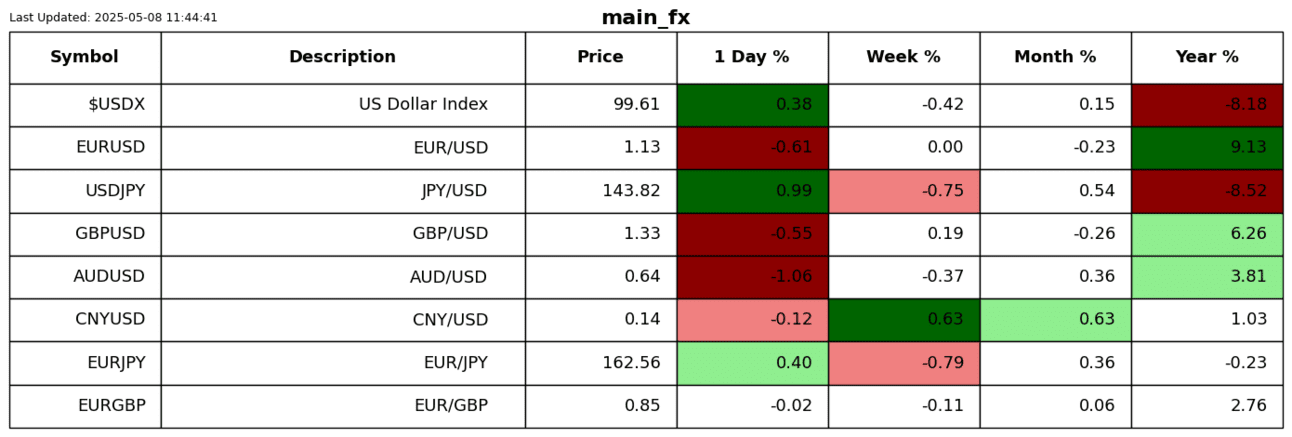


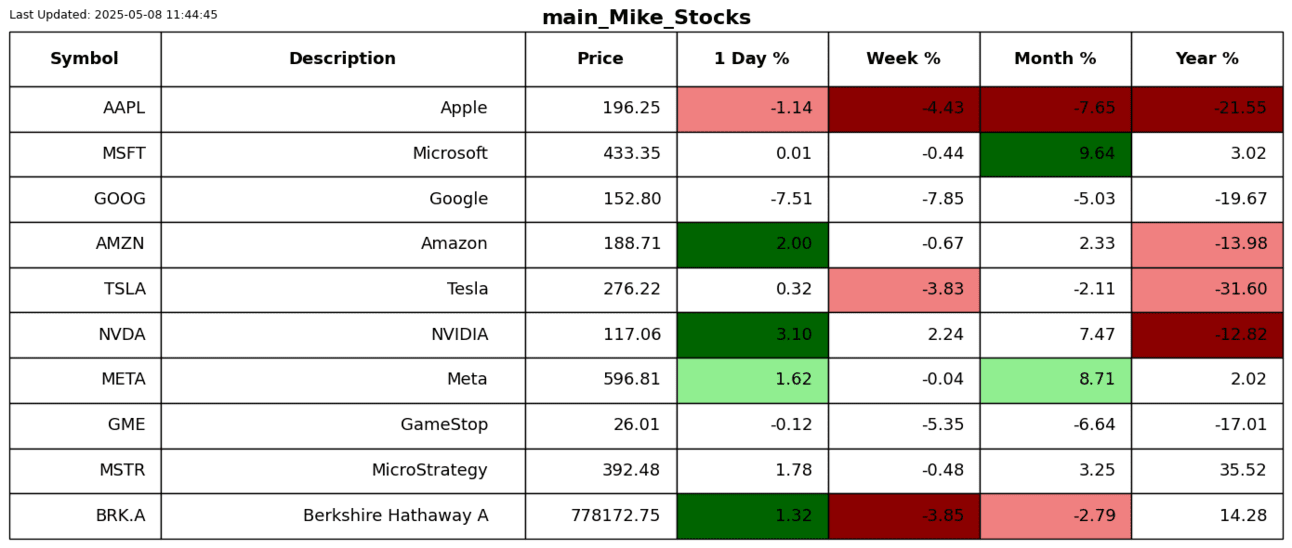
S2N chart gallery
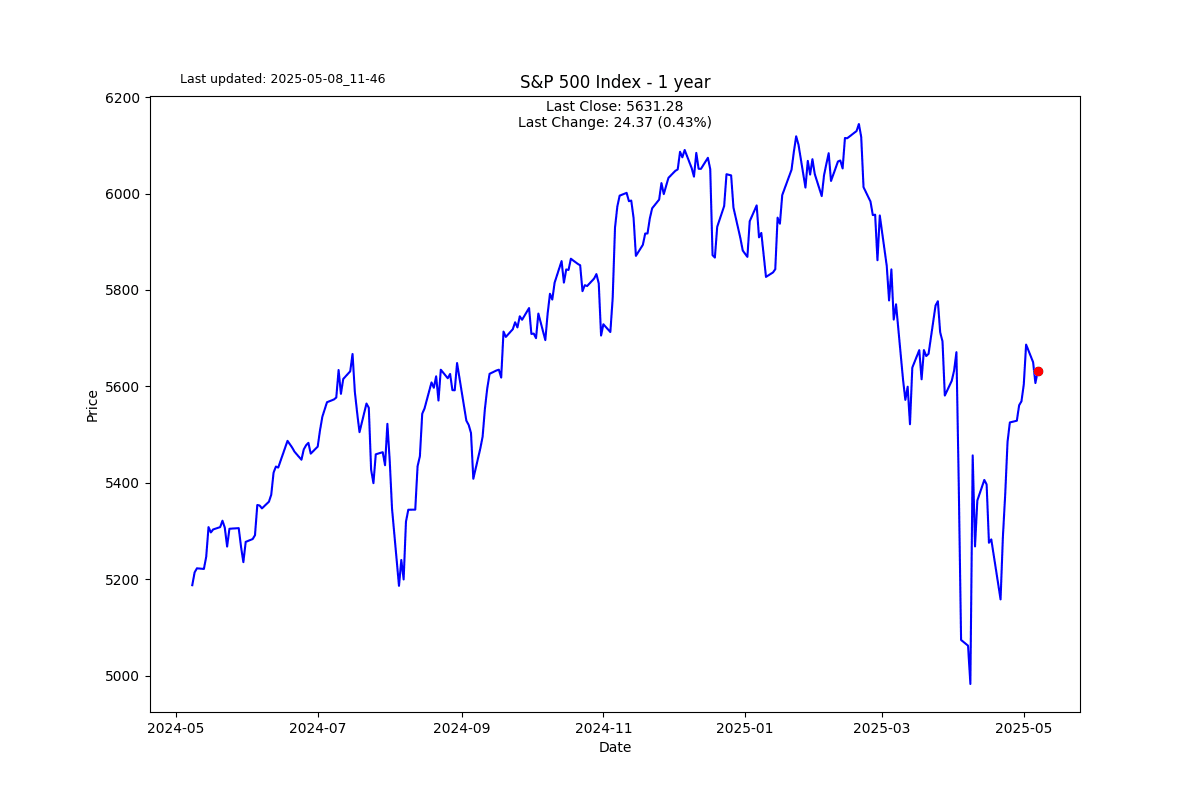
S2N news today
Author

Michael Berman, PhD
Signal2Noise (S2N) News
Michael has decades of experience as a professional trader, hedge fund manager and incubator of emerging traders.