WTI maintains position above $67.00 due to escalating tensions between Russia and Ukraine
- WTI receives minor support due to increased fears over possible supply disruptions amid rising geopolitical tensions.
- Russia launched its largest airstrike on Ukraine in nearly three months.
- Biden allows Ukraine to use Army Tactical Missile Systems (ATACMS) to strike inside Russia.
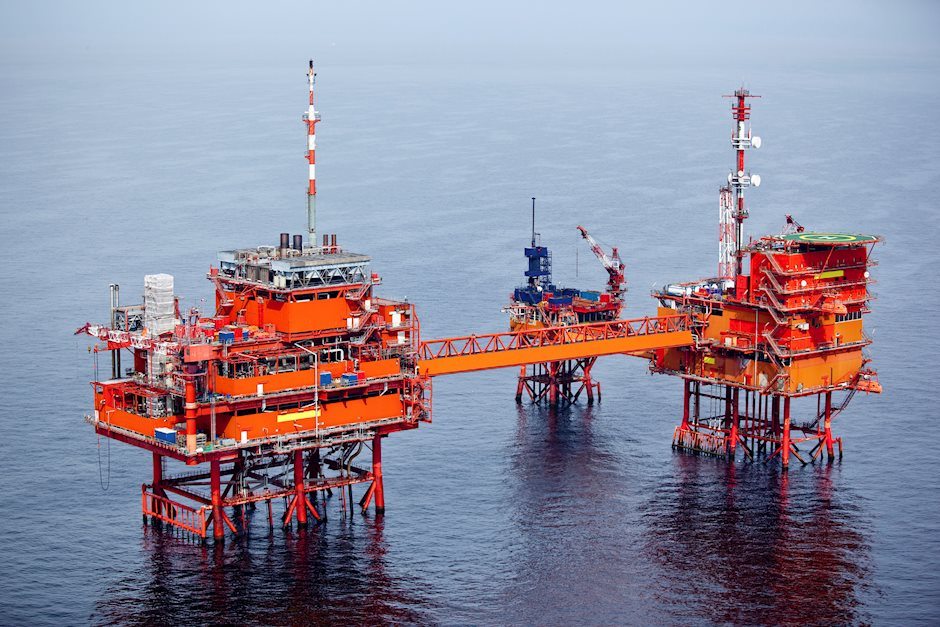

The West Texas Intermediate (WTI) Oil price holds steady above $67.00 per barrel during Monday's Asian trading session, reversing a recent decline as escalating tensions between Russia and Ukraine heighten worries over possible supply disruptions.
Over the weekend, Russia launched its most significant airstrike on Ukraine in nearly three months. Moscow also stationed nearly 50,000 troops in Kursk, a southern Russian region. In addition, North Korea has sent thousands of its troops to Kursk as part of Russia's offensive. This move has raised alarm among US President Joe Biden and his advisers, with concerns that North Korea's involvement could usher in a perilous new phase in the conflict, according to CNN News.
Moreover, CNN News reported on Sunday, citing two US officials, that President Joe Biden has authorized Ukraine to use the Army Tactical Missile Systems (ATACMS), powerful long-range American weapons, to carry out strikes within Russia.
Additionally, crude Oil prices faced pressure as Federal Reserve Chair Jerome Powell dampened expectations for imminent rate cuts, highlighting the economy's resilience, a strong labor market, and ongoing inflationary pressures. Powell remarked, "The economy is not sending any signals that we need to be in a hurry to lower rates." Prolonged higher borrowing costs could negatively affect economic activity in the United States (US), the world’s largest Oil consumer.
Meanwhile, concerns over weakening demand in China, the world’s largest Oil importer, have fueled bearish sentiment in the crude Oil market. The recent 10 trillion Yuan debt package in China, which lacked direct economic stimulus measures, has further intensified market worries.
WTI Oil FAQs
WTI Oil is a type of Crude Oil sold on international markets. The WTI stands for West Texas Intermediate, one of three major types including Brent and Dubai Crude. WTI is also referred to as “light” and “sweet” because of its relatively low gravity and sulfur content respectively. It is considered a high quality Oil that is easily refined. It is sourced in the United States and distributed via the Cushing hub, which is considered “The Pipeline Crossroads of the World”. It is a benchmark for the Oil market and WTI price is frequently quoted in the media.
Like all assets, supply and demand are the key drivers of WTI Oil price. As such, global growth can be a driver of increased demand and vice versa for weak global growth. Political instability, wars, and sanctions can disrupt supply and impact prices. The decisions of OPEC, a group of major Oil-producing countries, is another key driver of price. The value of the US Dollar influences the price of WTI Crude Oil, since Oil is predominantly traded in US Dollars, thus a weaker US Dollar can make Oil more affordable and vice versa.
The weekly Oil inventory reports published by the American Petroleum Institute (API) and the Energy Information Agency (EIA) impact the price of WTI Oil. Changes in inventories reflect fluctuating supply and demand. If the data shows a drop in inventories it can indicate increased demand, pushing up Oil price. Higher inventories can reflect increased supply, pushing down prices. API’s report is published every Tuesday and EIA’s the day after. Their results are usually similar, falling within 1% of each other 75% of the time. The EIA data is considered more reliable, since it is a government agency.
OPEC (Organization of the Petroleum Exporting Countries) is a group of 12 Oil-producing nations who collectively decide production quotas for member countries at twice-yearly meetings. Their decisions often impact WTI Oil prices. When OPEC decides to lower quotas, it can tighten supply, pushing up Oil prices. When OPEC increases production, it has the opposite effect. OPEC+ refers to an expanded group that includes ten extra non-OPEC members, the most notable of which is Russia.
Author
Akhtar Faruqui
FXStreet
Akhtar Faruqui is a Forex Analyst based in New Delhi, India. With a keen eye for market trends and a passion for dissecting complex financial dynamics, he is dedicated to delivering accurate and insightful Forex news and analysis.