Waning demand growth and increasing production to limit gains in agricultural prices – CE
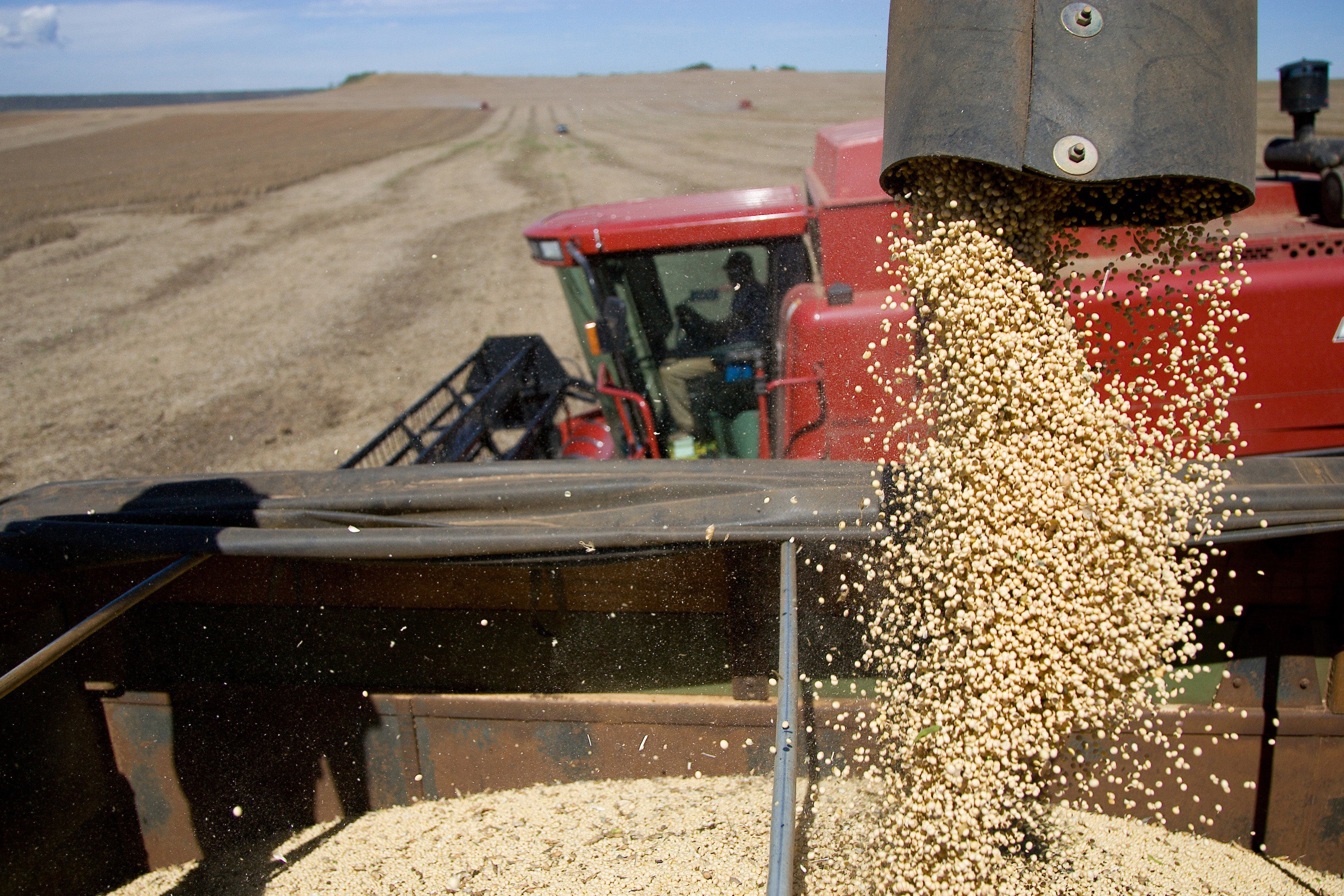
Agricultural prices are currently trading near multi-year highs, but strategists at Capital Economics doubt that a supercycle is underway or will occur anytime soon. Instead, agricultural prices will fall over both the short and longer term as demand growth wanes and supply holds up well.
Key quotes
“Agricultural prices have rallied since the middle of last year but we anticipate that this latest rally will prove temporary. For one, we expect agricultural production to increase markedly in the 2020/21 and 2021/22 agricultural seasons as high prevailing prices and the return of migrant labour should boost plantings and harvests. Moreover, demand growth for animal feeds, such as corn and soybeans, is likely to slow soon as the hog herd in China is showing signs of stabilisation.”
“We expect global agricultural demand growth to slow in the coming decades. According to the UN’s latest medium-variant projection, global population growth is set to slow to just 0.03% per year in 2100, from 1.05% per year currently, which limits the scope for further gains in food consumption. Meanwhile, we anticipate that meat consumption per capita, particularly in the advanced world, will fall steadily over time. At the same time, we suspect that the fiscal stimulus associated with COVID-19 will accelerate the ongoing shift towards electric vehicles, at the expense of internal combustion engine cars.”
“We think that global agricultural production will continue to increase in the coming decades as new and emerging technologies, such as precision agriculture and genetically modified seeds, spread from advanced countries to new locations. Admittedly, rising global temperatures are likely to continue to weigh on agricultural yields and render some land arid, but we suspect that this will be more than offset by productivity gains elsewhere. After all, agricultural productivity has more than tripled since 1965 and new technologies are likely to continue this trend.”
Author

FXStreet Team
FXStreet
Composed of a group of economic journalists and FX experts, the FXStreet content team produces and oversees all content published on FXStreet. It provides a purely journalistic approach to the Forex market.