USD/CHF retreats from multi-month peaks, sits comfortably above 0.98
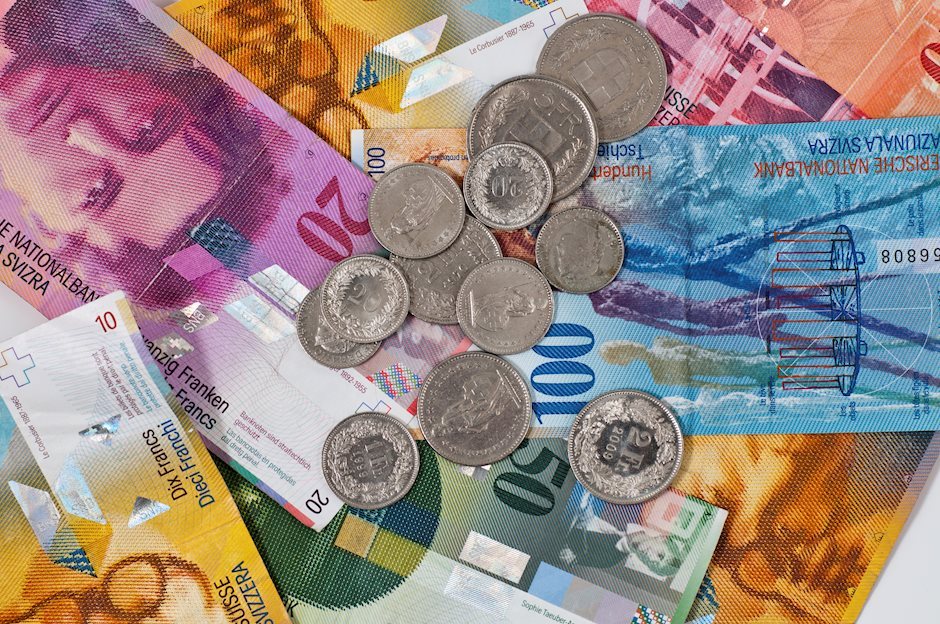

The USD/CHF pair recorded a 90-pip rise in the early Asian session and renewed its highest level since since mid-May at 0.9850 before going into a consolidation phase. The pair, which spent the last few hours moving sideways within a tight 25-pip range, is now trading at 0.9820, adding 0.6% on the day.
In a key development on Thursday night, the Republican-controlled US Senate approved the budget proposal for the fiscal year 2018, which would cause the federal deficit potentially rise to $1.5 trillion, but would allow the Trump administration to legalize proposed tax cuts without the Democrats' approval. Commenting on the Republicans' success, "The Budget passed late last night, 51 to 49. We got zero Democrat votes with only Rand Paul (he will vote for Tax Cuts) voting against. This now allows for the passage of large-scale Tax Cuts (and Reform), which will be the biggest in the history of our country!" US President Donald Trump tweeted.
The US Dollar Index surged to a 2-day high at 93.45 but struggled to extend its upside amid a lack of fresh catalysts on Friday. At the moment, the index is at 93.30, up 0.3% on the day.
In the meantime, as a traditional safe-haven, the CHF is having a difficult time finding demand as European stocks recover from yesterday's deep fall. As of writing, both the German DAX and the UK FTSE are up 0.3% on the day. A positive opening by major equity indexes in the U.S. could boost the pair in the second half of the day.
Technical outlook
The RSI indicator on the daily graph gained traction above the 50 mark on Friday, signaling towards the continuation of the bullish move. On the upside, the immediate hurdle aligns at 0.9850 (daily high) ahead of 0.9900 (psychological level) and 0.9960 (May 19 high). On the downside, support could be seen at 0.9800 (psychological level), 0.9740 (Oct. 19 low) and 0.9660 (100-DMA).
Author
Eren Sengezer
FXStreet
As an economist at heart, Eren Sengezer specializes in the assessment of the short-term and long-term impacts of macroeconomic data, central bank policies and political developments on financial assets.