|

US President Donald Trump: We're going to tariff even harder
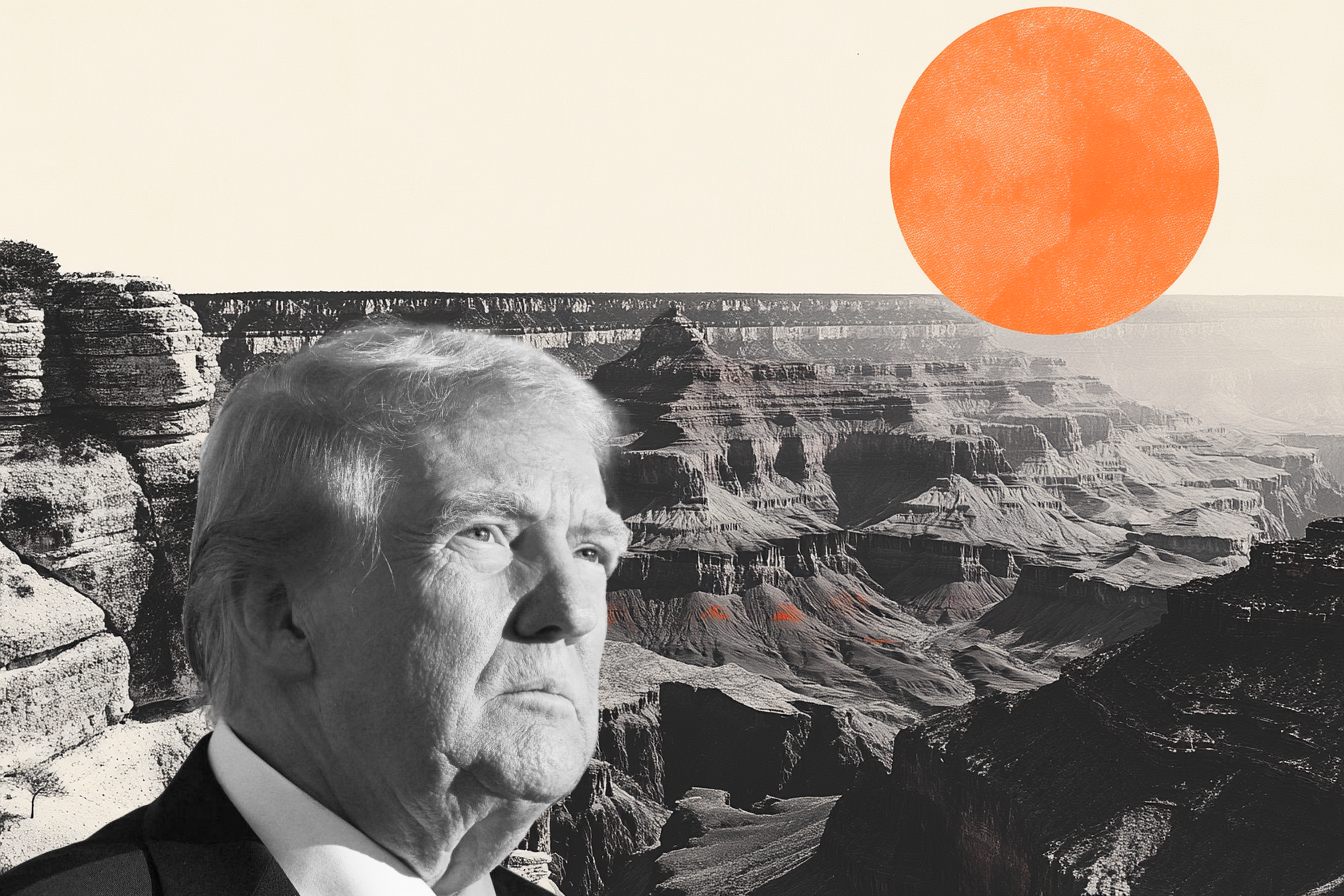
Following the US Supreme Court's decision to declare US President Donald Trump's "national security" tariffs unlawful, President Trump gave a press conference to deliver his reaction to the Supreme Court's decision.

President Trump's press conference from the White House on Friday could most graciously be described as "comprehensive". President Trump vowed that his administration would be imposing even further tariffs using alternative legal frameworks, specifically citing national security conventions under Section 301 of the Trade Act of 1974. Many of Trump's current tariff policies already exist under Section 301, but the largest bulk of trading fee collections have been under the International Emergency Economic Powers Act (IEEPA), which was widely imposed following the Trump administration's "Liberation Day" announcement in early 2025.

With the SC gutting Trump's ability to impose arbitrary tariffs under IEEPA, the Trump team is likely to pivot further into Section 301 tariffs, with Trump suggesting during his press conference that they may begin imposing an additional round of tariffs, effective almost immediately.

When asked by media following the President's address, Donald Trump strongly inferred that tariff fees collected under the IEEPA program, which has now been declared unlawful by the SC, will not be returned willingly by the White House. US companies and consumers who were forced to pay the import fees will have to bring lawsuits forward against the Trump administration to recoup their foreign trade costs directly.

Author

Joshua Gibson

Joshua joins the FXStreet team as an Economics and Finance double major from Vancouver Island University with twelve years' experience as an independent trader focusing on technical analysis.


More from Joshua Gibson
Share:

Editor's Picks

AUD/USD keeps range near mid-0.7100s as USD bulls await US CPI

AUD/USD steadies near mid-0.7100s in the Asian session on Friday, stalling the previous day's sharp decline to an over one-week low. The August PPI report reaffirmed Fed rate-hike bets and boosted the US Dollar on Thursday, which weighed heavily on the pair. However, hawkish RBA expectations limited losses for the Aussie as USD bulls now await the release of the US consumer inflation figures before placing fresh bets.

USD/JPY holds lower ground toward 154.00; looks to US CPI

USD/JPY holds lower ground toward 154.00 in the Asian session on Friday after hot Japanese PPI data bolster a more hawkish BoJ repricing and provide fresh impetus to the Japanese Yen. However, the downside appears capped as the US Dollar preserves overnight gains ahead of the latest US consumer inflation data.

Gold: Gains remain capped by $4,400

Gold regains composure and trades with decent gains on Friday, managing to refocus attention on the $4,440 mark per ounce troy. Therefore, the precious metal reverses Thursday’s decline as the US Dollar alternates gains with losses at the end of the week.

Ripple Price Forecast: XRP extends decline as returning ETF inflows fail to lift outlook
Ripple (XRP) falls below $1.33 on Friday, marking the third consecutive day of declines. The token continues to track the broader cryptocurrency market downturn, with investors closely monitoring heightened macroeconomic uncertainty ahead of the United States (US) Consumer Price Index (CPI) release and next week’s Federal Reserve (Fed) monetary policy decision.
Weekly focus – The hawks set the tone
Risky assets came under pressure this week as energy prices kept creeping higher and the ECB surprised the markets with a hawkish tone. The price of Brent crude touched USD 110 per barrel on Thursday night, highest since mid-May, as news emerged that the Yemeni Houthis had reached control of key port cities and islands near the Bab el-Mandeb strait.
Venezuela’s 65-billion-barrel Oil deal could reshape America’s inflation fight
The United States (US) has secured unprecedented access to part of Venezuela’s vast Oil reserves. The timing is particularly significant as the war with Iran is disrupting Middle Eastern supplies, keeping energy prices elevated and reviving concerns about inflation.















