US-China Trade War: Episode 1,000,000 – Commerzbank
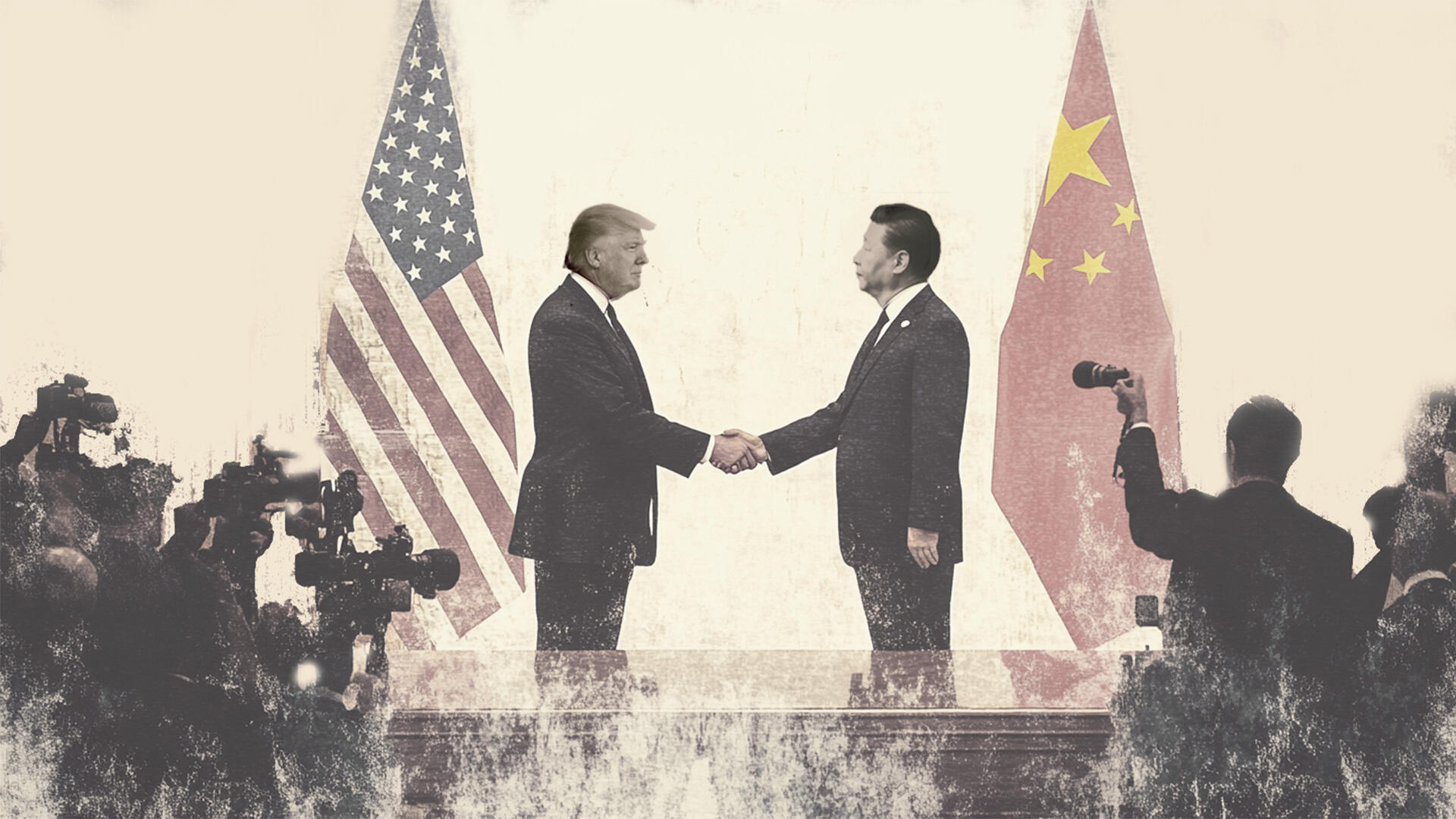
If anyone still harbored hope that this unbearable tariff saga had already reached its climax, such hope was likely extinguished after the US government’s threat late last week to impose tariffs of 100% on imports from China, Commerzbank's Head of FX and Commodity Research Thu Lan Nguyen notes.
US tariff policy risks for the USD are far from off the table
"The reaction of the US Dollar (USD) has so far been limited (EUR/USD rose by about half a cent on Friday), as most seem to expect another agreement between Washington and Beijing - similar to what happened in April. I don’t think this is unrealistic. However, the risk of escalation compared to back then appears to be higher. After all, the Chinese government must have been well aware that its tightened regulations on the export of rare earth elements would provoke the US government. Notably, this issue was one of the sticking points in the last round of disputes."
"The US government has once again demonstrated its willingness to adopt potentially highly damaging measures for the U.S. economy. While tariffs of 100% would undoubtedly hit China’s export economy, they would be just as painful for US importers, who currently bear the brunt of the tariff costs. So far, the damage caused by the erratic US policy has remained limited. However, the negative effects, particularly on US business investment, are currently being overshadowed by the ongoing AI boom. The greatest poison for the US economy isn’t the tariffs themselves but the uncertainty about how high they will be and whom they will affect."
"Most US trading partners have engaged in negotiations with Washington and managed to secure preliminary agreements to avoid higher tariffs. At first glance, this may have seemed like a victory for the powers in the White House. However, the US government - with its strong hand tactics - has undeniably failed to inspire goodwill among its partners. Moreover, it is becoming increasingly apparent that the negotiated 'deals' are unreliable. If other nations ultimately decide to turn away from the US and strengthen their relationships with alternative trading partners, the US could become increasingly isolated in global trade. This, in turn, could erode the status of the US dollar as the leading global reserve currency."
Author

FXStreet Insights Team
FXStreet
The FXStreet Insights Team is a group of journalists that handpicks selected market observations published by renowned experts. The content includes notes by commercial as well as additional insights by internal and external analysts.


![How Wall Street rigs the game [Video]](https://editorial.fxsstatic.com/images/i/market-chaos-01.jpg)