|

Trump to increase ethanol use in petrol to appease farmers, shuns oil producers - Reuters

As reported by Reuters, US President Donald Trump is seeking to eradicate limits on gasoline fuels that contain large amounts of ethanol, in an effort to bid up US consumption of corn in a bid to win back some support from American agricultural sectors, who have found themselves in a lurch thanks to Trump's trade war with China, an odd position for farmers who largely supported Trump in the last election.

Key highlights

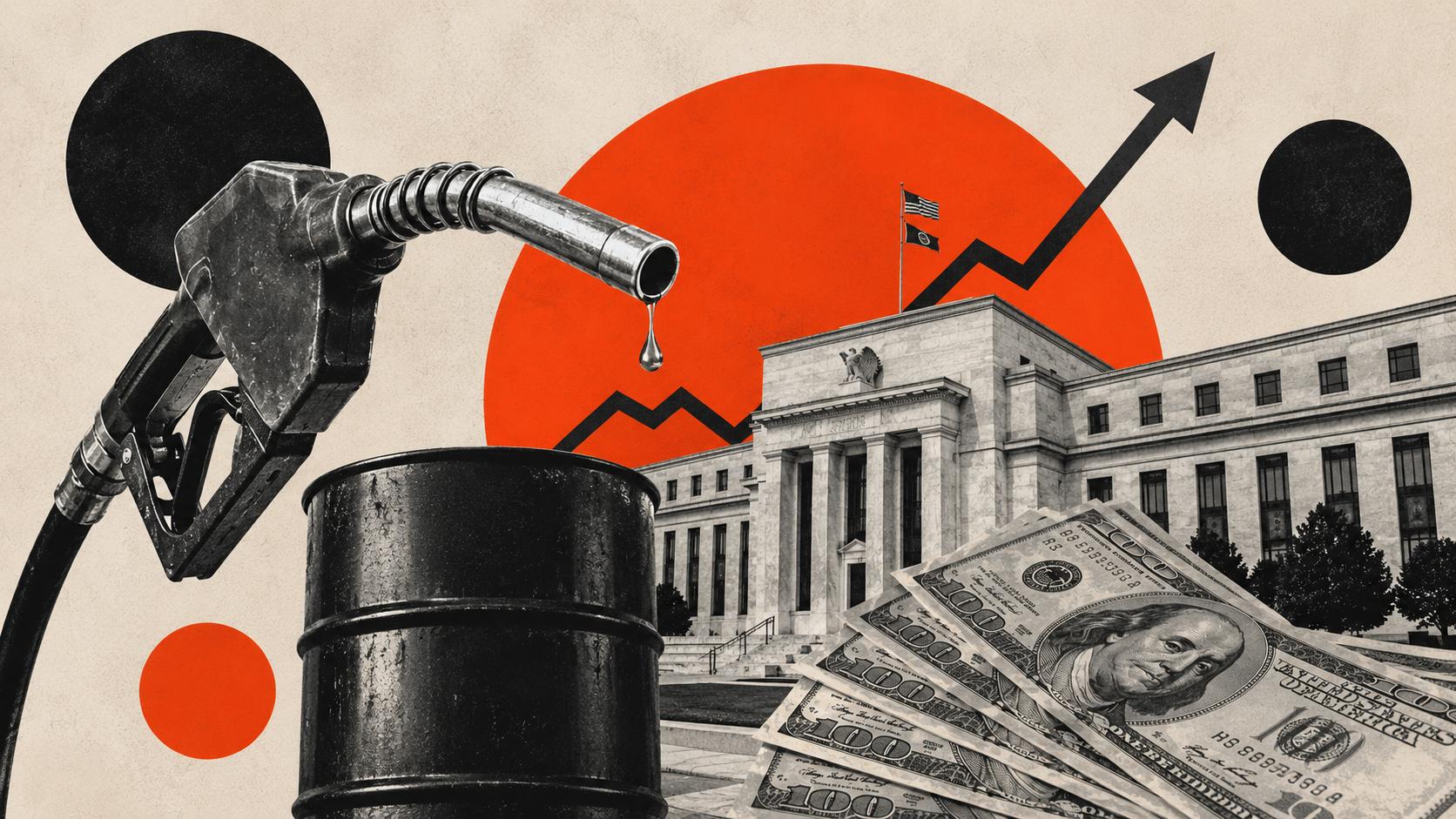
President Trump wants to strike out limits on E15 gasoline, a fuel source with up to 15% corn-based ethanol mixed in, a move that will likely see negative fallout from the oil industry, who stand to lose out on profits as ethanol reintroduction eats away at oil consumption.

In an effort to secure votes in the American farming belts, Trump is looking to drive up consumption of corn, though the move sees the president take a step away from US oil refineries, and anger at lifting the E15 ban could damage Trump in other areas of the upcoming midterm elections.

"The American Petroleum Institute, the largest U.S. oil trade association, opposes lifting the ban, saying E15 gasoline ruins older cars and potentially voids warranties. “The only certainty from today’s actions is a lawsuit,” Chet Thompson, head of American Fuel and Petrochemical Manufacturers, said on Tuesday. He said the industry would challenge the finalized rule in court, saying the EPA has acknowledged it lacks the authority to change this rule." - Reuters

Author

Joshua Gibson

Joshua joins the FXStreet team as an Economics and Finance double major from Vancouver Island University with twelve years' experience as an independent trader focusing on technical analysis.


More from Joshua Gibson
Share:

Editor's Picks

AUD/USD keeps range near mid-0.7100s as USD bulls await US CPI

AUD/USD steadies near mid-0.7100s in the Asian session on Friday, stalling the previous day's sharp decline to an over one-week low. The August PPI report reaffirmed Fed rate-hike bets and boosted the US Dollar on Thursday, which weighed heavily on the pair. However, hawkish RBA expectations limited losses for the Aussie as USD bulls now await the release of the US consumer inflation figures before placing fresh bets.

USD/JPY holds lower ground toward 154.00; looks to US CPI

USD/JPY holds lower ground toward 154.00 in the Asian session on Friday after hot Japanese PPI data bolster a more hawkish BoJ repricing and provide fresh impetus to the Japanese Yen. However, the downside appears capped as the US Dollar preserves overnight gains ahead of the latest US consumer inflation data.

Gold moves away from one-week low, climbs above $4,450 as USD edges lower ahead of CPI

Gold builds on its modest intraday recovery from the $4,300 neighborhood, or a one-and-a-half-week low, touched earlier this Friday, and climbs above $4,350 heading into the European session. The upside potential, however, seems limited as traders opt to wait for the release of US consumer inflation figures before placing directional bets.

Cardano approaches critical support as correction risks grow
Cardano (ADA) recovers slightly, trading at $0.206 at the time of writing on Friday, inches above the critical support zone after losing more than 6% so far this week. Weakening derivatives data and fading bullish momentum suggest a bearish near-term outlook, with a decisive close below the support zone potentially triggering a deeper correction for ADA.
US core CPI data set to ease in August as markets reprice Fed September rate decision

The US Bureau of Labor Statistics will publish the August Consumer Price Index data on Friday. The report is expected to show a small decline in annual core inflation. Any divergence from analysts’ estimates could influence the Federal Reserve’s policy outlook and impact the US Dollar’s valuation.

Venezuela’s 65-billion-barrel Oil deal could reshape America’s inflation fight
The United States (US) has secured unprecedented access to part of Venezuela’s vast Oil reserves. The timing is particularly significant as the war with Iran is disrupting Middle Eastern supplies, keeping energy prices elevated and reviving concerns about inflation.