|

The BRICS summit in Kazan – Commerzbank
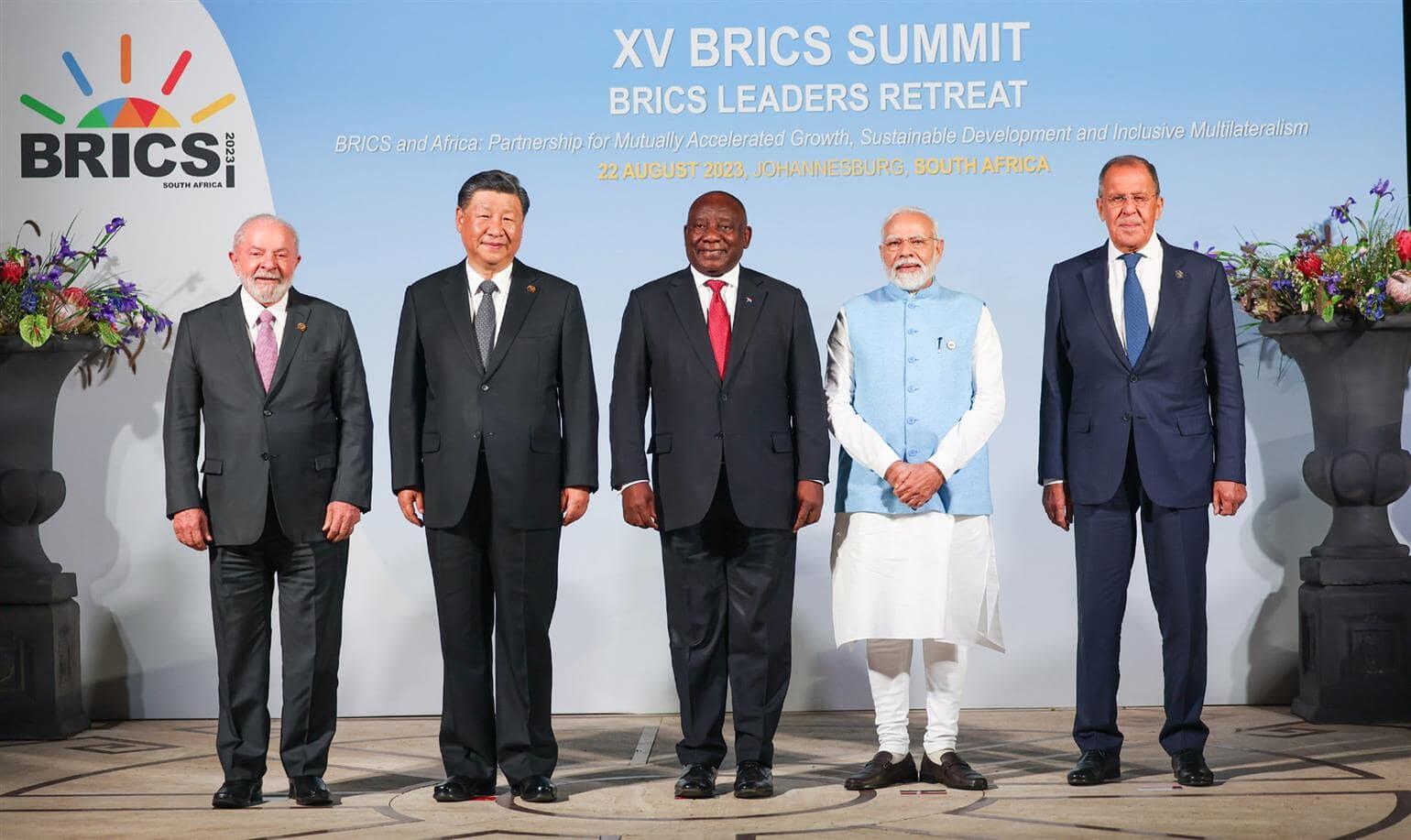
The heads of state and government of the BRICS countries are currently meeting in Kazan, Russia. From a political point of view, it may appear to be a gathering of those who represent the counter-model to the open, liberal constitutional states of the West, Commerzbank’s Head of FX and Commodity Research Ulrich Leuchtmann notes.

BRICS currently has no edge against the USD

“USD transactions that violate US sanctions have not been possible, regardless of the jurisdiction of the parties involved in the transaction. This is because US financial institutions are always involved. And even when transactions are in other currencies, the US sanctions also apply outside the US. Because companies and banks worldwide have to fear being hit with ‘secondary sanctions’ by the US authorities if they deal with trading partners who are on US sanctions lists.”

“As long as transactions that do not have to be carried out via such a system (because they fear US sanctions or are forced to use it in their domestic jurisdiction) are not carried out via such a system, such a system may fragment world trade, but it will not endanger the status quo on a global scale.”

“If the US were to pursue a policy of sanctions that a significant portion of Western industrialized nations did not accept, they could agree with the BRICS to establish a payment system independent of US access and not to accept the extraterritorial encroachments of US sanctions policy. If the BRICS and the Western states (excluding the US) were to agree, the critical mass would certainly be reached.”

Author

FXStreet Insights Team

The FXStreet Insights Team is a group of journalists that handpicks selected market observations published by renowned experts. The content includes notes by commercial as well as additional insights by internal and external analysts.


More from FXStreet Insights Team
Share:

Editor's Picks

GBP/USD declines as market caution lifts US Dollar

GBP/USD extends its gains for the second successive day, trading around 1.3200 during the Asian hours on Wednesday. The currency pair depreciated as the US Dollar gained momentum, driven by a combination of robust domestic economic data and a complex, mixed geopolitical landscape.

EUR/USD weakens below 1.1400 as Fed hike bets lift US Dollar

The EUR/USD pair trades on a negative note near 1.1380 during the early Asian trading hours on Wednesday. The major pair extends the decline as traders continue to assess the developments surrounding the US-Iran peace deal.

Gold nurses losses near $4,100 as Fed hike bets support USD

Gold recovers slightly from a fresh two-week low, near $4,070 touched during the Asian session on Wednesday, though it lacks follow-through. The US Dollar stands firm near its highest level since May 2025 amid firming expectations of a Fed rate hike, which, in turn, is seen undermining the non-yielding bullion. Furthermore, mixed US-Iran signals further favor the USD bulls.

Global strategy 3Q 2026
With the signing of a framework agreement and subsequent negotiations between the U.S. and Iran in June, the outlook for the third quarter is favorable. Oil prices have already fallen sharply, and futures are pricing in a further decline over the course of the year. This will ease the burden on consumers and reduce uncertainty among businesses, with positive effects on the economy.
"Rearranging the deckchairs on the Titanic": UK's fiscal crisis outlasts another Prime Minister

Keir Starmer's resignation as the UK Prime Minister comes ten years after the Brexit referendum vote, a coincidence that financial markets have been quick to note. The British Pound trades around 1.3220 against the US Dollar on Thursday.

Regime change: Inside Kevin Warsh's first move to make the Fed unreadable on purpose

The rate did not move. That was the least interesting thing about Kevin Warsh's first meeting in charge of the Fed. The FOMC held its benchmark at 3.50%-3.75% for the fourth straight meeting, exactly as priced, and then the new chair used his first press conference to dismantle the machinery the market has leaned on for a decade.














