RBA keeps rates unchanged at 1.5%, no explicit dovish bias
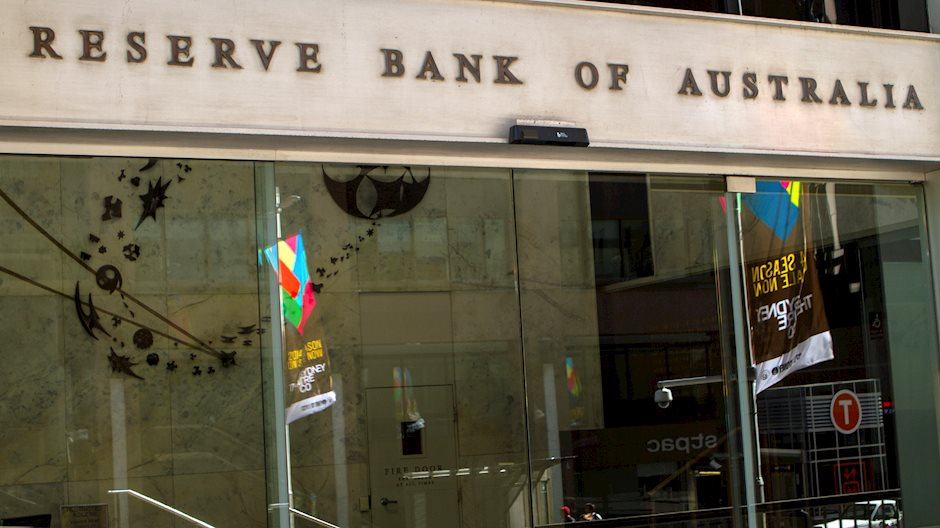

As widely expected, the RBA has decided to keep its interest rate unchanged at 1.5%, with the policy statement continuing to be interpreted as not offering an explicit dovish bias but to remain data-dependent.
The RBA notes: " Taking account of the available information, and having eased monetary policy at its May and August meetings, the Board judged that holding the stance of policy unchanged at this meeting would be consistent with sustainable growth in the economy and achieving the inflation target over time."
Patience is also warranted not only due to the two rate cuts this year, but on resilient domestic indicators, while at the same time, the Cental Bank will hope that the Fed can do the heavy-lifting and provide a respite to the strong AUD by soon increasing its interest rate again.
Statement by Glenn Stevens, Governor: Monetary Policy Decision
At its meeting today, the Board decided to leave the cash rate unchanged at 1.50 per cent.
The global economy is continuing to grow, at a lower than average pace. Several advanced economies have recorded improved conditions over the past year, but conditions have become more difficult for a number of emerging market economies. Actions by Chinese policymakers have been supporting growth, but the underlying pace of China's growth appears to be moderating.
Commodity prices are above recent lows, but this follows very substantial declines over the past couple of years. Australia's terms of trade remain much lower than they had been in recent years.
Financial markets have continued to function effectively. Funding costs for high-quality borrowers remain low and, globally, monetary policy remains remarkably accommodative.
In Australia, recent data suggest that overall growth is continuing, despite a very large decline in business investment, helped by growth in other areas of domestic demand and exports. Labour market indicators continue to be somewhat mixed, but suggest continued expansion in employment in the near term.
Inflation remains quite low. Given very subdued growth in labour costs and very low cost pressures elsewhere in the world, this is expected to remain the case for some time.
Low interest rates have been supporting domestic demand and the lower exchange rate since 2013 is helping the traded sector. Financial institutions are in a position to lend for worthwhile purposes. These factors are all assisting the economy to make the necessary economic adjustments, though an appreciating exchange rate could complicate this.
Supervisory measures have strengthened lending standards in the housing market. Separately, a number of lenders are also taking a more cautious attitude to lending in certain segments. The best available information suggests that dwelling prices overall have risen moderately over the past year and growth in lending for housing purposes has slowed. Considerable supply of apartments is scheduled to come on stream over the next couple of years, particularly in the eastern capital cities.
Taking account of the available information, and having eased monetary policy at its May and August meetings, the Board judged that holding the stance of policy unchanged at this meeting would be consistent with sustainable growth in the economy and achieving the inflation target over time.
Author
Ivan Delgado
Independent Analyst
Established in the Asian continent since 2009, Ivan studied a degree in Business at the University Pompeu Fabra (Barcelona), while also earning a postgraduate degree in Business Administration.