|

Indonesia: Stabilising FX and bonds as oil eases – DBS
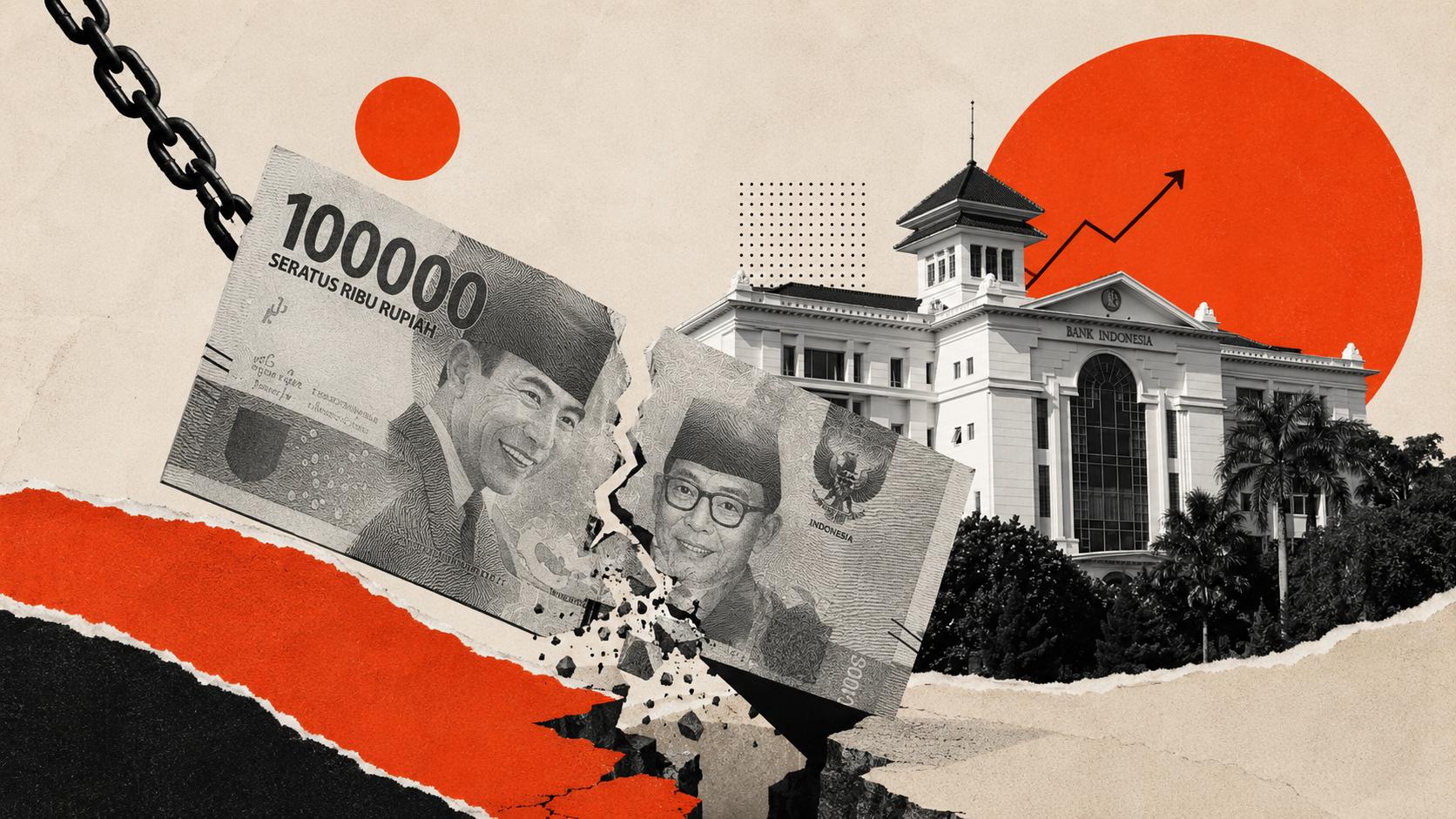
DBS Group Research economist Radhika Rao notes that Indonesia’s onshore FX and bond markets have stabilised following a correction in global Oil prices, though gains are modest. She highlights USD/IDR’s move below 18000, persistent underperformance versus regional peers, and foreign interest returning to IDR bonds. Rao argues more constructive official commentary and softer US tightening expectations are needed for a stronger IDR and lower 10-year yields.

IDR, bonds steady after oil correction

"Onshore FX and bond markets have stabilised on the back of a correction in global oil prices, although scale of gains has been measured."

"USD/IDR broke below 18000, although ran into buyers at sub-17850, which has led the currency to maintain its position as the regional underperformer."

"More constructive commentary from the domestic authorities/ regulators and scaling back of US tightening expectations are required to open the room for a rally in the IDR and for the 10Y yield to decisively break below 7%."

"Foreign interests have returned to IDR bonds (12.7% share in outstanding; turning net buyers YTD and in June), although flows remain tepid in equities."

"Equity markets received a temporary reprieve from the MSCI’s decision to retain Indonesia at emerging market status, although volatility is set to rise ahead of the November review."

(This article was created with the help of an Artificial Intelligence tool and reviewed by an editor.)

Author

FXStreet Insights Team

The FXStreet Insights Team is a group of journalists that handpicks selected market observations published by renowned experts. The content includes notes by commercial as well as additional insights by internal and external analysts.


More from FXStreet Insights Team
Share:

Editor's Picks

AUD/USD bounces back toward 0.6950 on fresh USD supply

AUD/USD bounces back toward 0.6950 in the Asian session on Friday. The US Dollar retreats from 17-month highs as traders take profits off the table ahead of the all-important US Nonfarm Payrolls report. Meanwhile, the Australian Dollar draws support from reviving expectations of a November interest rate hike amid elevated global yields and inflation risks.


USD/JPY struggles near 158.00 as USD retreats ahead of NFP

USD/JPY is struggling for fresh impetus near 158.00, moving away from the top end of its weekly range in the Asian session on Friday, after hotter-than-expected Tokyo CPI and amid a broad US Dollar retreat. Traders reposition themselves ahead of US Nonfarm Payrolls.

US Nonfarm Payrolls holds the key to Gold's next big move

Gold has returned to the red zone in Asia after failing several attempts to regain $4,200. Traders now eagerly await the US Nonfarm Payrolls data for September, which could significantly alter market expectations for an October Federal Reserve interest rate hike, having a major bearing on the US Dollar valuation and Gold’s next major move.

Pepe Price Forecast: PEPE sustains mild recovery on firm retail support
Pepe (PEPE) price holds steady around $0.00000440 at press time on Friday, sustaining the 3.50% gains from the previous day's rebound. The meme coin maintains firm retail demand, with its futures Open Interest stabilizing above $320 million and funding rates remaining positive. PEPE must reclaim the $0.00000500 psychological barrier to sustain an upward trend.
Why speculators slashed Yen longs by the most since August — and what that signals about risk
For much of the past month, the Japanese Yen (JPY) had become one of the market's preferred defensive trades. Hedge funds accumulated more than 170K net long contracts over four weeks as investors positioned for tighter Bank of Japan (BoJ) policy, persistent geopolitical uncertainty and a more cautious outlook for global growth.
Markets are pricing a Fed pause. The jobs data says the hike is still coming
The market has rapidly changed its mind about the Federal Reserve (Fed). Only a week ago, investors saw an October interest-rate hike as the most likely outcome. However, softer inflation and cautious comments from policymakers have since turned a pause into the dominant scenario. Yet beneath that dramatic repricing, the US economy is sending a considerably less dovish message.