|

Indian Rupee: Stabilisation but recovery hurdles against US Dollar – OCBC
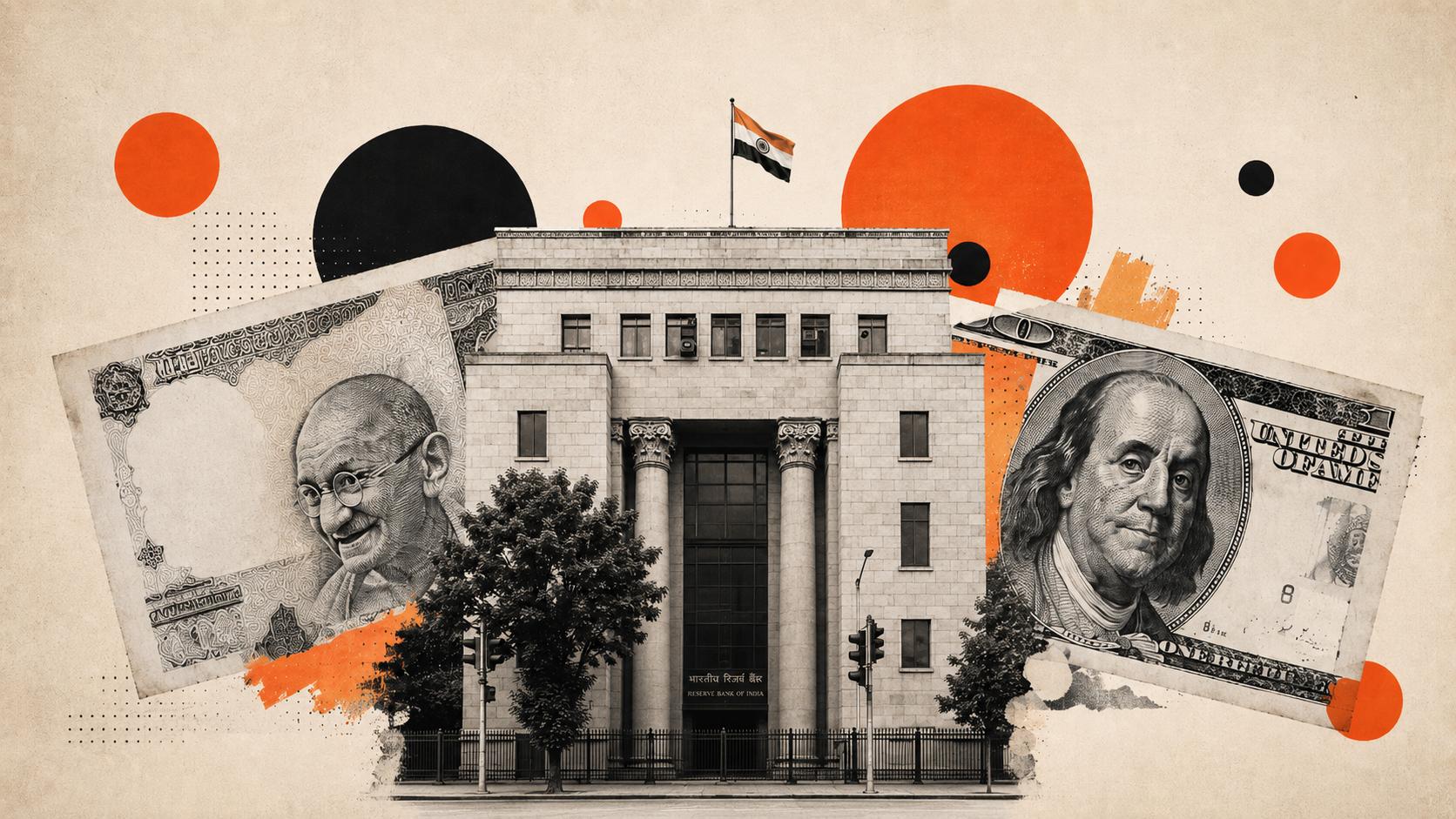
OCBC strategists Christopher Wong and Sim Moh Siong observe that the Indian Rupee (INR) faced depreciation pressure as Oil and geopolitics resurfaced, pushing USD/INR towards a one‑month high. He notes that some pressure has eased with Oil off its highs and RBI-linked Dollar sales helping limit losses. Near term, USD/INR should stay relatively contained, though a clean recovery likely needs lower Oil prices.

USD/INR pressure easing with flows and RBI support

"INR came under depreciation pressure as oil/geopolitics moved back into focus. Higher crude prices can pose downside pressure for INR, and USD/INR’s move towards one-month high yesterday suggests that market is again testing INR’s oil sensitivity."

"That said, some of the pressure has eased with oil prices back off highs and the INR is not without support. RBI-linked USD sales appear to have helped limit recent losses, while the flow backdrop has improved at the margin following RBI’s June measures to attract FX inflows via FCNR(B) deposits, external borrowings and wider foreign access to long-end government bonds. "

"Month-to-date foreign net equity and debt inflows also look to have improved marginally. Near term, INR should stay relatively contained, but the bar for a clean recovery is still high unless oil prices resume its move lower."

"USD/INR was last seen at 95.40 levels. Momentum is mild bullish while RSI shows tentative signs of moderation from the recent rise."

"Resistance at 95.55 (50% fibo retracement of 2026 high to June low), 95.90 (61.8% fibo). Support at 95.20 (50 DMA, 38.2% fibo), 94.80/90 levels (21 DMA, 23.6% fibo)."

(This article was created with the help of an Artificial Intelligence tool and reviewed by an editor. Know more.)

Author

FXStreet Insights Team

The FXStreet Insights Team is a group of journalists that handpicks selected market observations published by renowned experts. The content includes notes by commercial as well as additional insights by internal and external analysts.


More from FXStreet Insights Team
Share:

Editor's Picks

GBP/USD remains offered; bears target 1.3600

GBP/USD now leaves behind part of its recent recovery and revisits the low 1.3600s at the beginning of the week. Indeed, Cable trades with a mild downward bias amid decent gains in the Greenback as investors remain wary of upcoming US data releases and the Jackson Hole event.

EUR/USD slips back to 1.1660, daily lows

EUR/USD remains slightly offered and drops toward the 1.1660 zone to hit daily troughs on Monday. The pair’s decline follows a decent advance in the US Dollar while investors continue to closely follow developments from the US money market.

Gold poised to extend its bullish run

Gold surrenders part of its initial advance, although it keeps its bullish pace well and sound above the $4,600 mark per troy ounce on Monday. The precious metal’s move higher comes despite slight gains in the US Dollar and a modest pullback in US Treasury yields across the curve.

Here's what I learned trading meme coins
I’ve been trading cryptocurrencies for the past seven years, with meme coins becoming one of the most exciting and implacable parts of my experience. I love them because they represent internet culture and community sentiment, and, let’s be honest, extreme speculation. Newly launched meme coins were especially tempting: get in early enough, I thought, and a small bet could turn into a huge return.
Bessent’s presser in focus
Preview: Busy week ahead, with Bessent kicking this off today, with things wrapping up with Warsh at Jackson Hole. For a month that should have been a temporary period of ‘quiet’, we had anything but last week, with the bond market and tariffs front and centre.
$20 billion offered, $2 billion taken: Why Treasury doubled its buyback cap

The US Treasury moved off its own calendar on Wednesday, and that is the part worth sitting with. At 12:32 GMT, the department said it would at least double the size of liquidity support buyback operations in the 10-year to 20-year and 20-year to 30-year sectors, lifting the maximum from $2 billion per operation to at least $4 billion, effective September 9 and running to November 4.














