India Gold price today: Gold falls, according to MCX data
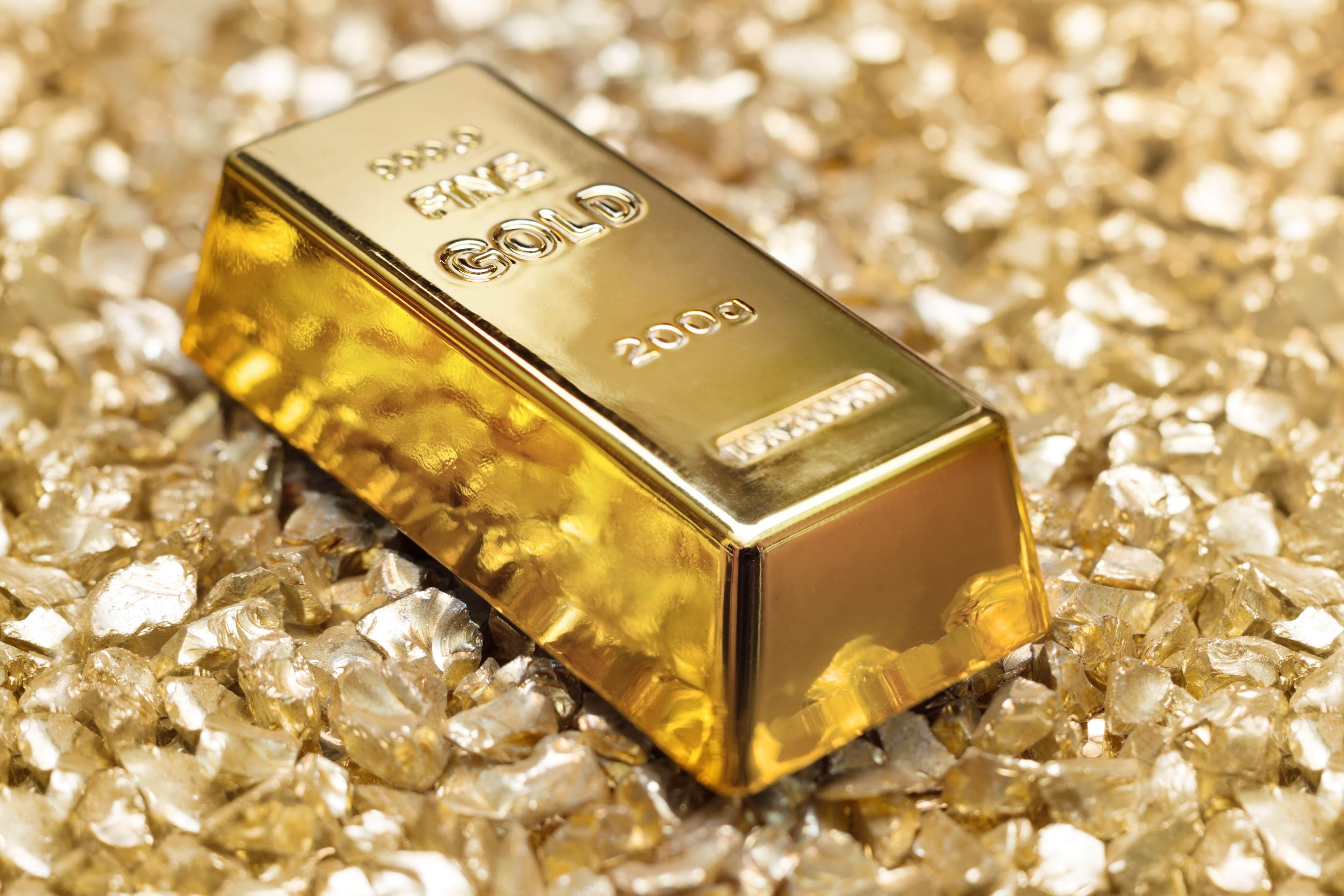
Gold prices fell in India on Tuesday, according to data from India's Multi Commodity Exchange (MCX).
Gold price stood at 71,922 Indian Rupees (INR) per 10 grams, down INR 287 compared with the INR 72,209 it cost on Monday.
As for futures contracts, Gold prices increased to INR 71,887 per 10 gms from INR 71,855 per 10 gms.
Prices for Silver futures contracts increased to INR 85,180 per kg from INR 84,886 per kg.
| Major Indian city | Gold Price |
|---|---|
| Ahmedabad | 74,520 |
| Mumbai | 74,230 |
| New Delhi | 74,250 |
| Chennai | 74,510 |
| Kolkata | 74,390 |
Global Market Movers: Comex Gold price holds positive ground, all eyes are on the crucial US inflation data
- Fed vice chair Philip Jefferson called for holding interest rates at current levels until inflation shows more signs of easing, adding that he will continue to look for additional evidence that inflation is going to return to the 2% target.
- The Fed is likely to cut the Fed funds rate by 25 basis points (bps) in September, said 70 of 108 economists, while cutting rates by 50 bps in 2024, said 65 of 108 economists, according to the Reuters poll.
- On Monday, Israeli soldiers moved deep into the ruins of Gaza's northern frontier to retake an area from Hamas rebels, while tanks and troops pushed a highway into Rafah, forcing Palestinian residents to flee, per Reuters.
- The US Producer Price Index (PPI) for April is expected to show an increase of 2.2% YoY, while the Core PPI figure is estimated to show an increase of 2.4% YoY in the same period.
- The US Consumer Price Index (CPI) inflation is forecast to ease to 3.4% YoY in April from 3.5% prior. Core CPI inflation is projected to drop to 3.6% YoY in April from 3.8% in March.
Gold FAQs
Gold has played a key role in human’s history as it has been widely used as a store of value and medium of exchange. Currently, apart from its shine and usage for jewelry, the precious metal is widely seen as a safe-haven asset, meaning that it is considered a good investment during turbulent times. Gold is also widely seen as a hedge against inflation and against depreciating currencies as it doesn’t rely on any specific issuer or government.
Central banks are the biggest Gold holders. In their aim to support their currencies in turbulent times, central banks tend to diversify their reserves and buy Gold to improve the perceived strength of the economy and the currency. High Gold reserves can be a source of trust for a country’s solvency. Central banks added 1,136 tonnes of Gold worth around $70 billion to their reserves in 2022, according to data from the World Gold Council. This is the highest yearly purchase since records began. Central banks from emerging economies such as China, India and Turkey are quickly increasing their Gold reserves.
Gold has an inverse correlation with the US Dollar and US Treasuries, which are both major reserve and safe-haven assets. When the Dollar depreciates, Gold tends to rise, enabling investors and central banks to diversify their assets in turbulent times. Gold is also inversely correlated with risk assets. A rally in the stock market tends to weaken Gold price, while sell-offs in riskier markets tend to favor the precious metal.
The price can move due to a wide range of factors. Geopolitical instability or fears of a deep recession can quickly make Gold price escalate due to its safe-haven status. As a yield-less asset, Gold tends to rise with lower interest rates, while higher cost of money usually weighs down on the yellow metal. Still, most moves depend on how the US Dollar (USD) behaves as the asset is priced in dollars (XAU/USD). A strong Dollar tends to keep the price of Gold controlled, whereas a weaker Dollar is likely to push Gold prices up.
Author

FXStreet Team
FXStreet
Composed of a group of economic journalists and FX experts, the FXStreet content team produces and oversees all content published on FXStreet. It provides a purely journalistic approach to the Forex market.