|

Gold price weaker after Fed meeting – Commerzbank

The Gold price came under pressure with some delay after the Fed meeting. A brief rise to a new record high of more than $3,700 per troy ounce was followed by a decline of around $70 by Thursday morning, Commerzbank's commodity analyst Carsten Fritsch notes.

The price of Gold might jump even higher

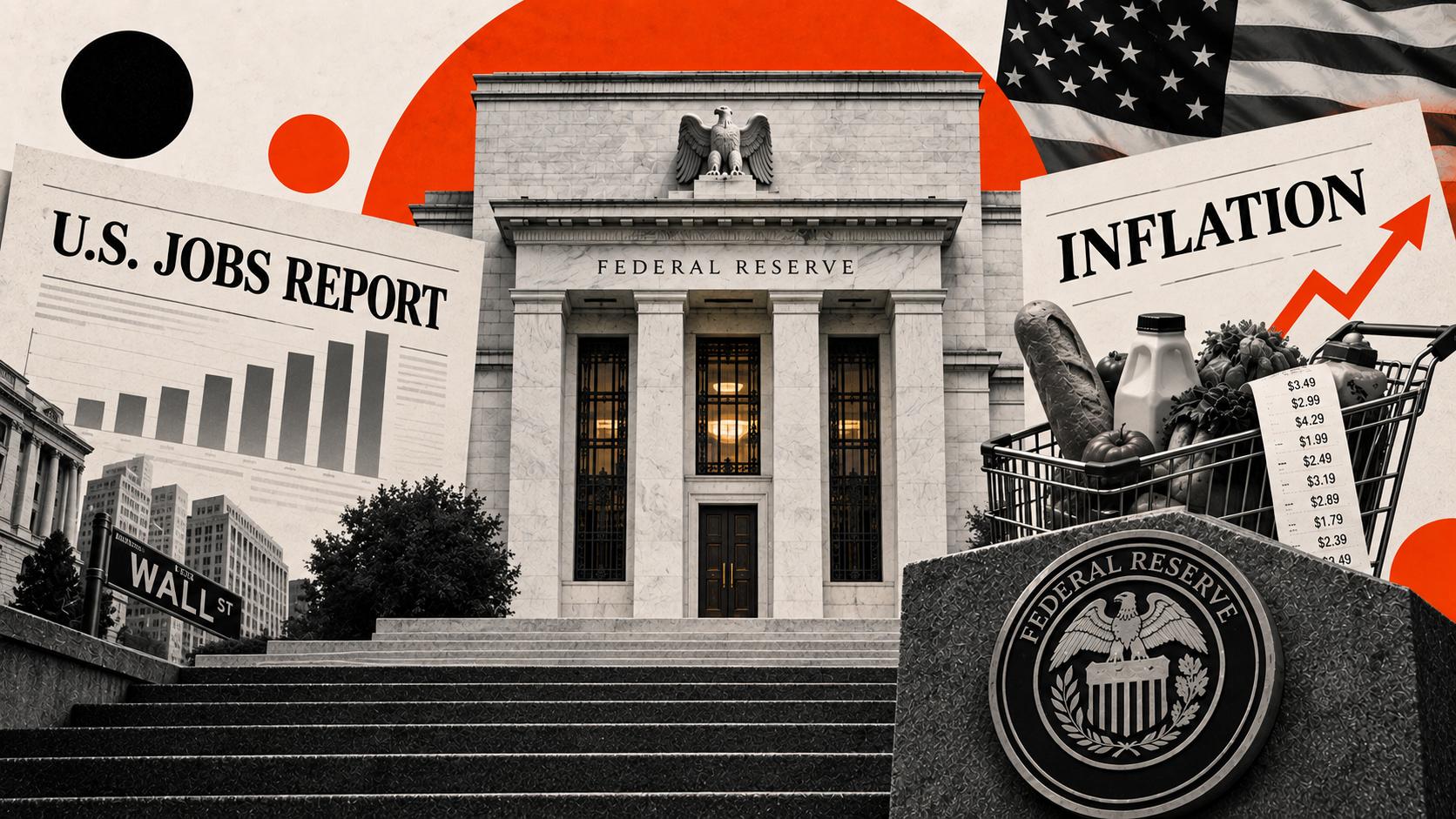
"The price of Gold closely followed the development of the US dollar, which initially lost value shortly after the interest rate decision but then appreciated significantly. As expected, the US Federal Reserve lowered its key interest rate by 25 basis points on Wednesday. Only Fed Governor Stephen Miran, who was appointed by US President Trump on a short-term basis, voted for a 50 basis point rate cut."

"The published interest rate projections of the FOMC members suggest a median of two further interest rate cuts by the end of the year. However, the FOMC is divided on this issue, with only a narrow majority favoring this scenario. A considerable number of FOMC members see no need for further interest rate cuts this year. For next year, the median projection is for only one interest rate cut. Only two FOMC members expect the key interest rate at the end of 2026 to be slightly lower than the current market expectations, while most see it as being significantly higher."

"However, this could change quickly when Jerome Powell's term as Fed Chair ends in May 2026 and a successor chosen by Trump takes office. Yesterday's voting behavior by Trump confidant Miran, who was probably also the one in the FOMC who preferred interest rate cuts of 125 basis points by the end of this year, gives us a taste of what might come. Such aggressive interest rate cuts, despite the continuing threat of inflation, would catapult the price of Gold even higher."

Author

FXStreet Insights Team

The FXStreet Insights Team is a group of journalists that handpicks selected market observations published by renowned experts. The content includes notes by commercial as well as additional insights by internal and external analysts.


More from FXStreet Insights Team
Share:

Editor's Picks

AUD/USD struggles to recover as hawkish Fed bets escalate

The Australian Dollar is under pressure against the US Dollar as traders have raised bets supporting interest rate hikes by the Federal Reserve this year, with the AUD/USD pair posting a fresh almost eight-week low at around 0.7025. Hawkish Fed bets have accelerated following the release of the surprisingly strong United States Nonfarm Payroll (NFP) data for May.

USD/JPY holds higher ground toward 160.50 despite 'Yentervention' fears

USD/JPY holds higher ground toward 160.50 in Monday's Asian trading, despite intervention fears. Japan’s revised GDP print, which confirmed that the economy lost momentum in the first quarter, weighs on the Japanese Yen. Meanwhile, Friday's upbeat US NFP report and fresh Israel-Iran attacks favor the US Dollar bulls, underpinning the currency pair.

Gold trades flat above $4,300 amid Mideast woes, Fed rate hike bets

Gold remains vulnerable near $4,300 in European trading on Monday, following a modest bounce in Asia to the $4,350-$4,355 area. Renewed hostilities in the Gulf push Crude Oil prices higher, fanning inflationary concerns and bolstering bets for more hawkish central banks. That weighs on Gold, as it trades near three-month lows.

Solana: ETF outflows and bearish sentiment reinforce downside risks

Solana (SOL) remains under pressure, trading below $66 on Monday after losing nearly 20% in the previous week. Institutional demand weakened with spot Exchange Traded Funds recording a net outflow of over $6.5 million last week, snapping a four-week streak of inflows.

$1.75 trillion: Is SpaceX the most popular IPO in history, or the most engineered?

On June 12, the largest initial public offering (IPO) in history is set to hit the tape, and almost nobody is asking whether the price is right, because almost everybody already wants in.

The US economy defies the rules: 100 days into the Oil shock and the recession signal is still missing

More than three months after the start of the Iran war and the resulting disruption to global energy markets, the US economy continues to display remarkable resilience. The conflict has triggered a sharp rise in Oil prices, reignited inflationary pressures and fueled widespread concerns about a potential economic slowdown.