Germany: November data confirm strong final quarter performance - ING
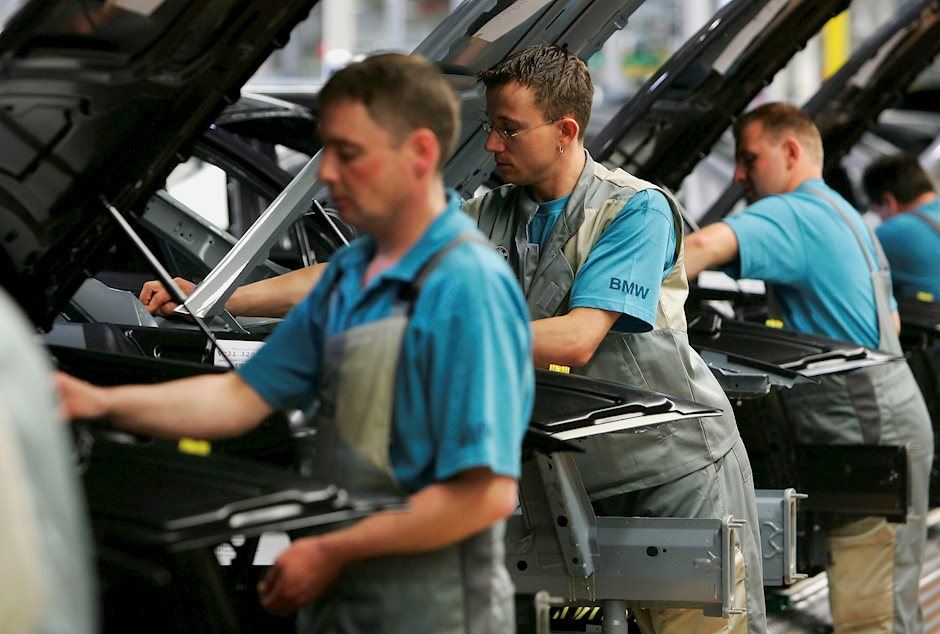

Surging industrial data suggest that the German growth party continued in the fourth quarter of 2017, according to Carsten Brzeski, Chief Economist at ING.
Key Quotes
“After two disappointing months due to weather effects and vacation planning, German industrial production finally staged a strong comeback. According to just released data, industrial production increased by 3.4% MoM in November, from -1.4% MoM in October. The strongest monthly increase since September 2009. On the year, industrial production was up by 5.6%. The increase was driven by all sectors except for energy.”
“At the same time, trade data confirmed the picture of a roaring industrial engine In November, exports surged by 4.1% MoM, after a 0.3% drop in October. As imports increased by 2.3%, the seasonally-adjusted trade balance widened to EUR22.4bn, from EUR19.9 bn in October.”
“Two main take-aways
There are two main take-aways from this morning’s industrial data:
- German industry has gone through a small rollercoaster ride since the start of the summer. Disappointing numbers were followed by impressive rebounds. Behind the vacation and weather driven white noise of monthly data, however, there is a clear upward trend. Up to now, 2017 industrial production has had its best year since 2011. Contrary to earlier cycles, industrial production has been a lagging, rather than a leading indicator for the German recovery.
- The strengthening of the euro exchange rate since April 2017 has left the German export sector unharmed. The geographic diversity of German exports once again seems to be the key to success. Particularly, Germany’s close and distant neighbours in the East have safeguarded this year’s export revival. Germany currently exports as much to Hungary, Poland and the Czech Republic as it does to the Netherlands, Belgium and Luxembourg. Exports to China have also rebounded this year. At the same time, the US remains the single most important export destination, while exports to the UK are becoming less important.”
“November data show real face of German industry
- After a weak start to the fourth quarter, the German economy has returned to full speed. With November finally being a month that was not heavily affected by vacation planning or weather, German industry could finally show its real face. However, December data could again be blurred by the Christmas period.
- Luckily, the guesstimating about the strength of the German economy in the fourth quarter will already come to an end in two days. On Thursday, the German statistical office will continue with its strange habit of releasing GDP growth data for the entire year 2017 without having any hard data from December. It looks very likely that the German economy has had its best performance since 2011 and there is currently very little reason to believe that the strong performance could end any time soon.”
Author
FXStreet Team
FXStreet