Fed's Waller: Data says we should move in 50bps increments, but geopolitical risks call for caution
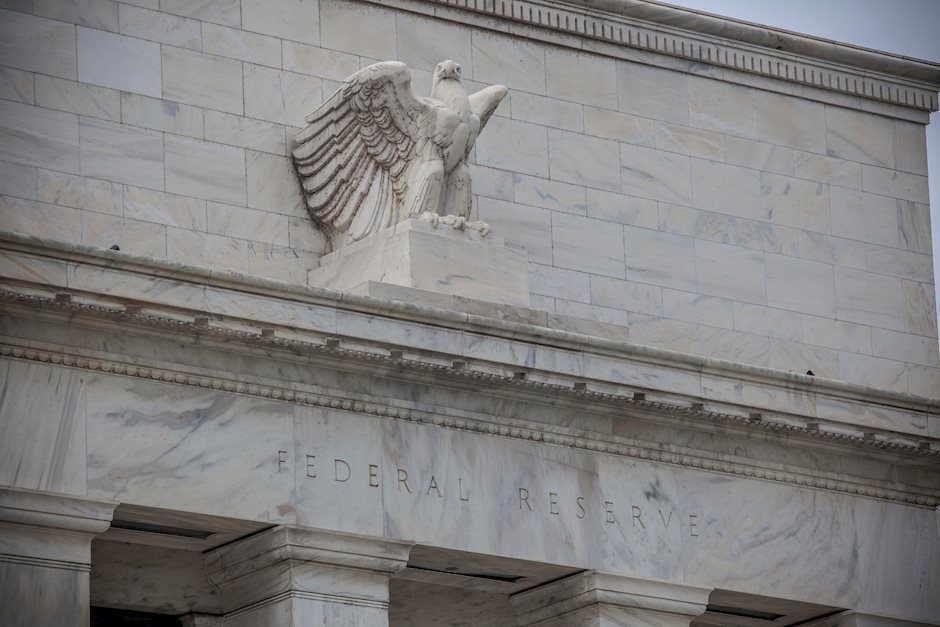

Fed Board of Governors member Christopher Waller said on Friday in an interview on CNBC that while the data is calling out for the Fed to move in 50bps increments, geopolitical events call for caution. The data is suggesting that we move in the direction of a 50bps hike at the coming meetings, Waller continued, adding that Europe will feel the impact of higher oil prices more than the US, but it will knock off half a point from US growth this year.
I really want to front-load our hikes, Waller said, saying that would imply 50bps or more at coming meetings. I think we need to get rates up and any policy rule would tell you we need to be higher than we are right now, he said. If we need to continue, we'll keep going, Waller added, noting that we can remove liquidity from the system without doing much damage.
We have the room to go sooner and to go faster the last time with the balance sheet, Waller noted, saying that as long as the Fed is clear in its communications and the market adjusts, there has't been much market turmoil. Getting to neutral or slightly above by the year's end should not be a concern for causing a recession, Waller said, though he did note that getting above neutral by the year's end would put pressure on demand.
Waller said that he expects supply chain issues to start resolving by the end of this year or early next year and that should help with inflation, adding that he thinks there will be some pullback in inflation next year. We can put downward pressure on prices through tightening policy, he added. Waller said that he would be more concerned about the Fed's credibility if he saw 2-year inflation expectations becoming unanchored, but they aren't.
Author
Joel Frank
Independent Analyst
Joel Frank is an economics graduate from the University of Birmingham and has worked as a full-time financial market analyst since 2018, specialising in the coverage of how developments in the global economy impact financial asset