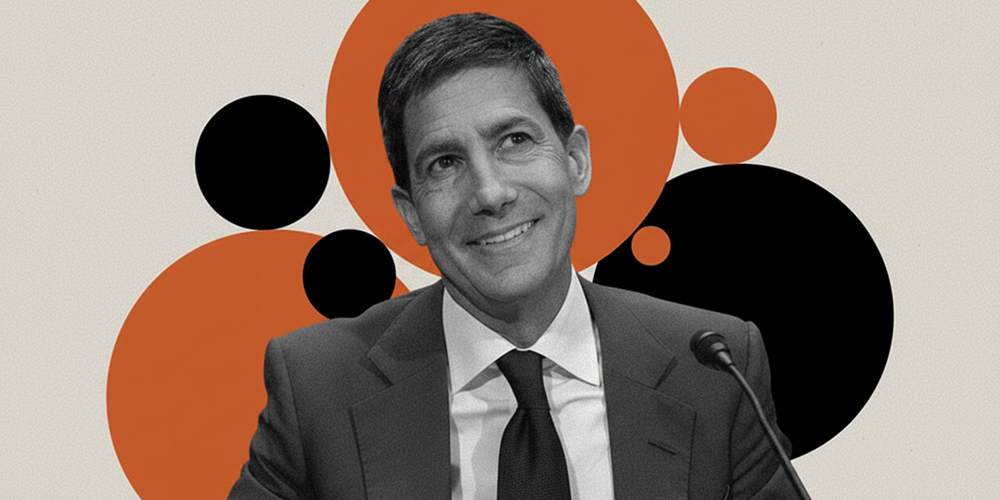
Fed’s Bostic: We need to stay restrictive because inflation is too high
Federal Reserve Bank of Atlanta President Raphael Bostic said he believes inflation pressures will continue throughout the year and that many businesses are still incorporating tariffs into prices at the Metro Atlanta Chamber's Board of Directors meeting on Thursday.
Key quotes
Many businesses are still incorporating tariffs into prices.
I expect inflation pressures will continue through 2026.
I expect to see GDP growth north of 2% in 2026.
Inflation pressures go far beyond tariffs, like medical.
Labor market is not that tight today, but it's not loose.
We need to stay restrictive because inflation is too high."
Fed FAQs
Monetary policy in the US is shaped by the Federal Reserve (Fed). The Fed has two mandates: to achieve price stability and foster full employment. Its primary tool to achieve these goals is by adjusting interest rates. When prices are rising too quickly and inflation is above the Fed’s 2% target, it raises interest rates, increasing borrowing costs throughout the economy. This results in a stronger US Dollar (USD) as it makes the US a more attractive place for international investors to park their money. When inflation falls below 2% or the Unemployment Rate is too high, the Fed may lower interest rates to encourage borrowing, which weighs on the Greenback.
The Federal Reserve (Fed) holds eight policy meetings a year, where the Federal Open Market Committee (FOMC) assesses economic conditions and makes monetary policy decisions. The FOMC is attended by twelve Fed officials – the seven members of the Board of Governors, the president of the Federal Reserve Bank of New York, and four of the remaining eleven regional Reserve Bank presidents, who serve one-year terms on a rotating basis.
In extreme situations, the Federal Reserve may resort to a policy named Quantitative Easing (QE). QE is the process by which the Fed substantially increases the flow of credit in a stuck financial system. It is a non-standard policy measure used during crises or when inflation is extremely low. It was the Fed’s weapon of choice during the Great Financial Crisis in 2008. It involves the Fed printing more Dollars and using them to buy high grade bonds from financial institutions. QE usually weakens the US Dollar.
Quantitative tightening (QT) is the reverse process of QE, whereby the Federal Reserve stops buying bonds from financial institutions and does not reinvest the principal from the bonds it holds maturing, to purchase new bonds. It is usually positive for the value of the US Dollar.
Author

Agustin Wazne
FXStreet
Agustin Wazne joined FXStreet as a Junior News Editor, focusing on Commodities and covering Majors.