Fed: AI-driven rate cut strategy questioned – Commerzbank
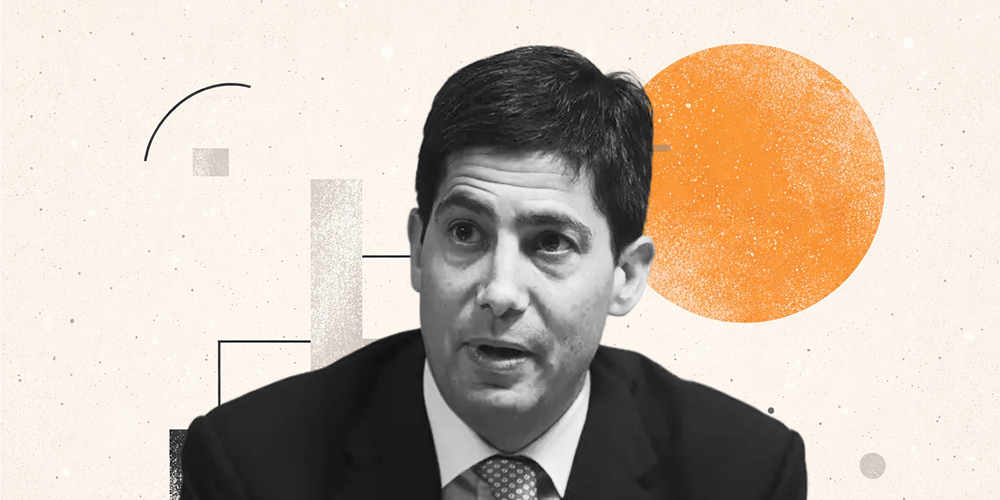
Commerzbank's senior economists Bernd Weidensteiner and Dr. Christoph Balz discuss designated Federal Reserve chair Kevin Warsh’s plan to justify significant interest rate cuts by citing artificial intelligence as a new deflationary force. They argue AI’s productivity impact remains uncertain, while today’s macro backdrop is less disinflationary than in the 1990s, so aggressive easing could leave US monetary policy too expansionary and heighten inflation risks into 2027.
Warsh’s AI rationale for Fed easing
"The designated chair of the Federal Reserve Board, Kevin Warsh, expects artificial intelligence to curb inflation and drive growth, similar to what information technology did in the years around the turn of the millennium. With these hopes for a return of the New Economy, he wants to push through significant interest rate cuts at the Fed."
"Donald Trump has made it clear that he expects Kevin Warsh, the designated chair of the Federal Reserve Board, to cut interest rates significantly as soon as he takes the helm at the Fed in May. However, finding serious reasons for this is not easy given an inflation rate of around 3% and a relatively low unemployment rate."
"Warsh will likely use the growing influence of artificial intelligence (AI) on the US economy as his main argument. In an opinion piece in the Wall Street Journal in November, Warsh wrote: “AI will be a significant deflationary force, increasing productivity and strengthening US competitiveness.”"
"If the designated Fed chairman Kevin Warsh is counting on AI to solve his inflation problems, he is probably making a policy mistake. We expect him to be able to push through interest rate cuts of 100 basis points by spring 2027."
"However, this will make monetary policy too expansionary and create inflation risks."
(This article was created with the help of an Artificial Intelligence tool and reviewed by an editor.)
Author

FXStreet Insights Team
FXStreet
The FXStreet Insights Team is a group of journalists that handpicks selected market observations published by renowned experts. The content includes notes by commercial as well as additional insights by internal and external analysts.