China’s Xi praises trade progress with Trump, warns over Taiwan
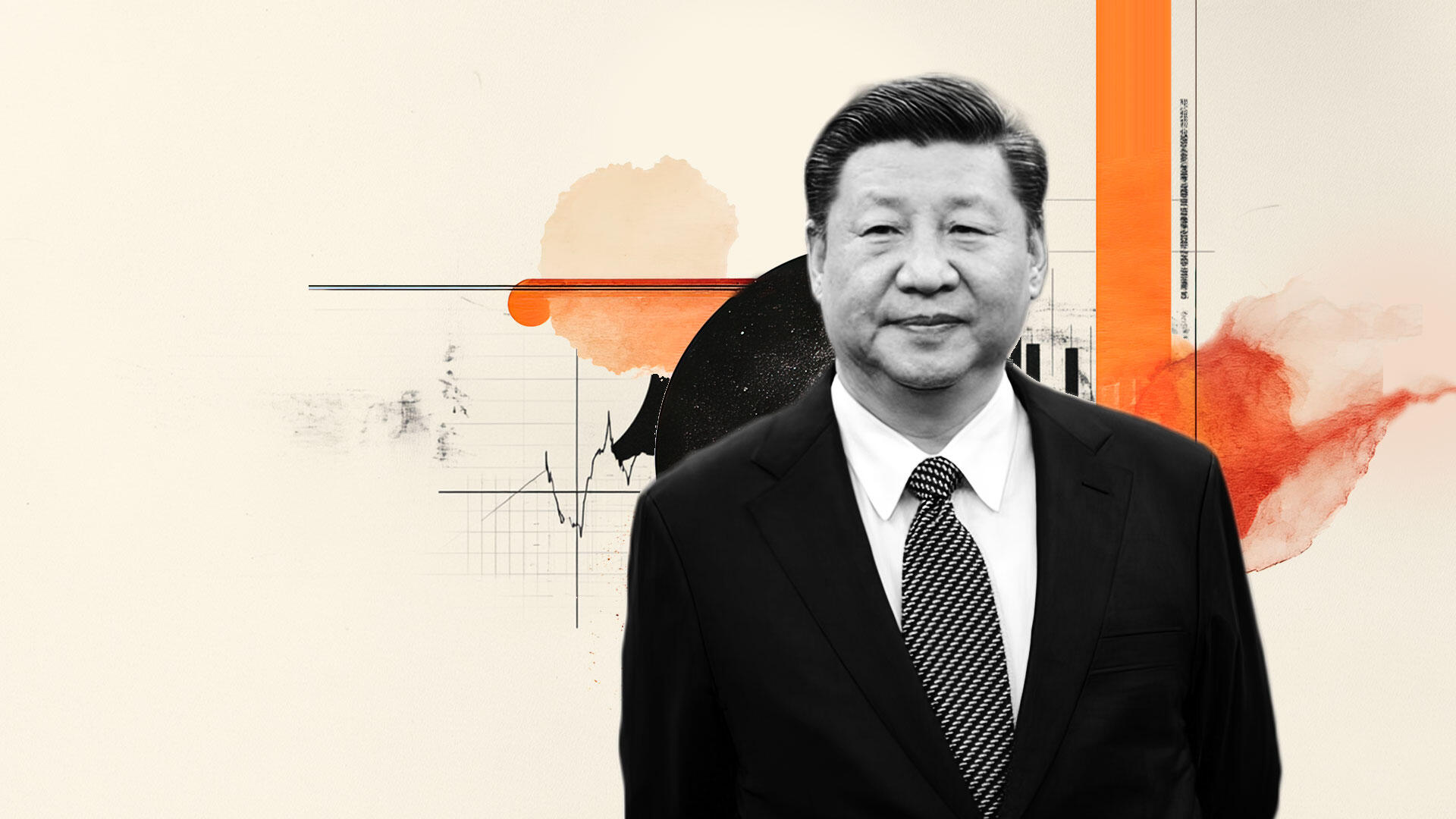
Chinese President Xi Jinping said during the early European trade on Thursday that United States (US) CEOs accompanying President Donald Trump on a Beijing visit that China's door would only open wider, and that he believed US companies would have broader prospects in the country, while derivering subtle threat regarding the Taiwan issue, state-run news agency Xinhua reported.
In the meeting, Xi met with the delegation of CEOs, including Tesla’s Elon Musk, Nvidia's Jensen Huang and Apple's Tim Cook in the Great Hall of the People. Chinese leader Xi added, "China and the US to build constructive strategic stable relations as new positioning of bilateral ties."
Before the Trump-Xi meeting, US President Trump said he will push Beijing to open itself for the West.
On the Taiwan issue, Chinese leader Xi has clarified that conflicts could arise between the two economies if the issue over Taiwan, the democratically governed island claimed by China and armed by the US, is "mishandled".
"The Taiwan question is the most important issue in China-US relations," Xi said, according to state broadcaster CCTV. Xi added, "If it is handled well, bilateral relations can remain generally stable. If mishandled, the two nations could collide or even come into conflict, pushing the entire China-US relationship into a highly perilous situation." Xi's subtle threat came as Taiwan said the United States has 'reaffirmed its clear and firm support' for the island, NDTV World reported.
Market reaction
No immediate reaction by the US Dollar (USD) and S&P 500 futures after China XI's comments. As of writing, the US Dollar Index (DXY) trades flat at around 98.50.
US Dollar FAQs
The US Dollar (USD) is the official currency of the United States of America, and the ‘de facto’ currency of a significant number of other countries where it is found in circulation alongside local notes. It is the most heavily traded currency in the world, accounting for over 88% of all global foreign exchange turnover, or an average of $6.6 trillion in transactions per day, according to data from 2022. Following the second world war, the USD took over from the British Pound as the world’s reserve currency. For most of its history, the US Dollar was backed by Gold, until the Bretton Woods Agreement in 1971 when the Gold Standard went away.
The most important single factor impacting on the value of the US Dollar is monetary policy, which is shaped by the Federal Reserve (Fed). The Fed has two mandates: to achieve price stability (control inflation) and foster full employment. Its primary tool to achieve these two goals is by adjusting interest rates. When prices are rising too quickly and inflation is above the Fed’s 2% target, the Fed will raise rates, which helps the USD value. When inflation falls below 2% or the Unemployment Rate is too high, the Fed may lower interest rates, which weighs on the Greenback.
In extreme situations, the Federal Reserve can also print more Dollars and enact quantitative easing (QE). QE is the process by which the Fed substantially increases the flow of credit in a stuck financial system. It is a non-standard policy measure used when credit has dried up because banks will not lend to each other (out of the fear of counterparty default). It is a last resort when simply lowering interest rates is unlikely to achieve the necessary result. It was the Fed’s weapon of choice to combat the credit crunch that occurred during the Great Financial Crisis in 2008. It involves the Fed printing more Dollars and using them to buy US government bonds predominantly from financial institutions. QE usually leads to a weaker US Dollar.
Quantitative tightening (QT) is the reverse process whereby the Federal Reserve stops buying bonds from financial institutions and does not reinvest the principal from the bonds it holds maturing in new purchases. It is usually positive for the US Dollar.
Author

Sagar Dua
FXStreet
Sagar Dua is associated with the financial markets from his college days. Along with pursuing post-graduation in Commerce in 2014, he started his markets training with chart analysis.