CBR preview: One step closer to neutral – Nordea Markets
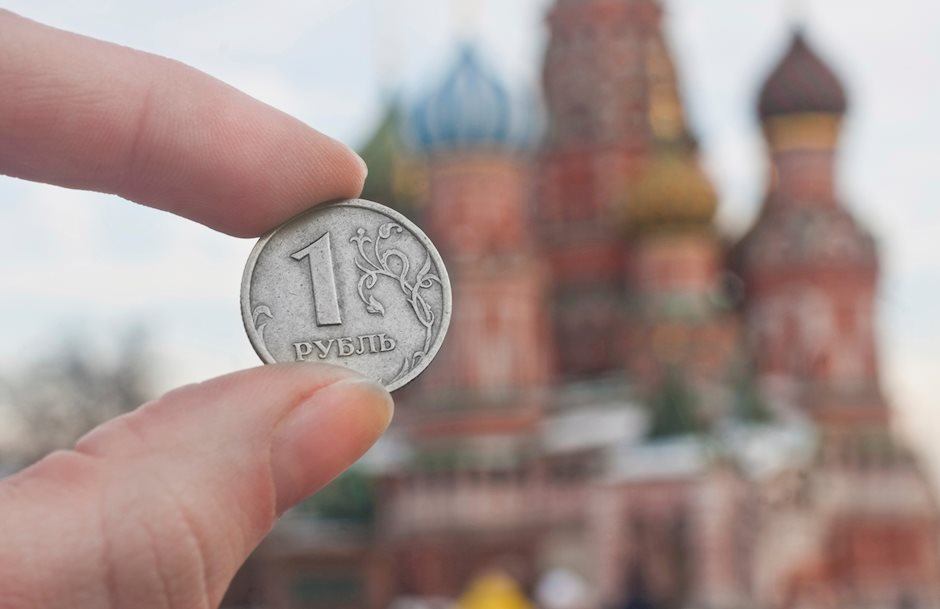

Tatiana Evdokimova, analyst at Nordea Markets, suggests that in Russia, the CBR easing continues in small steps as the regulator is approaching the neutral rate range and the decision is unlikely to have a major impact on the RUB, which is now more dependent on the Fed’s moves.
Key Quotes
“We expect the Central Bank of Russia (CBR) to cut the key rate once again on Friday by 25bp after a similar cut in June. This will bring the key rate back to 7.25%, the same level as in April-September 2018 before two precautionary hikes at the end of the year.”
The CBR has a handful of reasons to continue its easing cycle:
- Inflation keeps decelerating faster than expected and has declined to 4.5% y/y by the middle of July, which is already well inside the 4.2-4.7% range expected by the CBR by year end. There is still ample room for further deceleration given a high base effect of H2 2018 when inflation was accelerating in reaction to RUB depreciation and gasoline price increases. Current inflation (seasonally adjusted 3-month moving average of price increases to the previous month) is below 0.33% (a level consistent with 4% y/y target) for two months now signaling more disinflation ahead.
- The slowing economy is also pleading for a cut. Retail sales growth remains very modest (+1.7% y/y in H1 vs +2.8% last year), reflecting effects of additional tax burden on consumption after a VAT hike this year. Inflationary pressure on the demand side is thus very muted. Details on GDP dynamics in Q1 show that investment performance is also poor (-2.6% y/y – the first drop in investment since 2016). Very volatile industrial production numbers oscillating between 1% and 4.6% y/y growth since the beginning of 2019 also point to the absence of a sustainable growth path.”
Author
Sandeep Kanihama
FXStreet Contributor
Sandeep Kanihama is an FX Editor and Analyst with FXstreet having principally focus area on Asia and European markets with commodity, currency and equities coverage. He is stationed in the Indian capital city of Delhi.