BoC: Pause, then gradual – Scotiabank
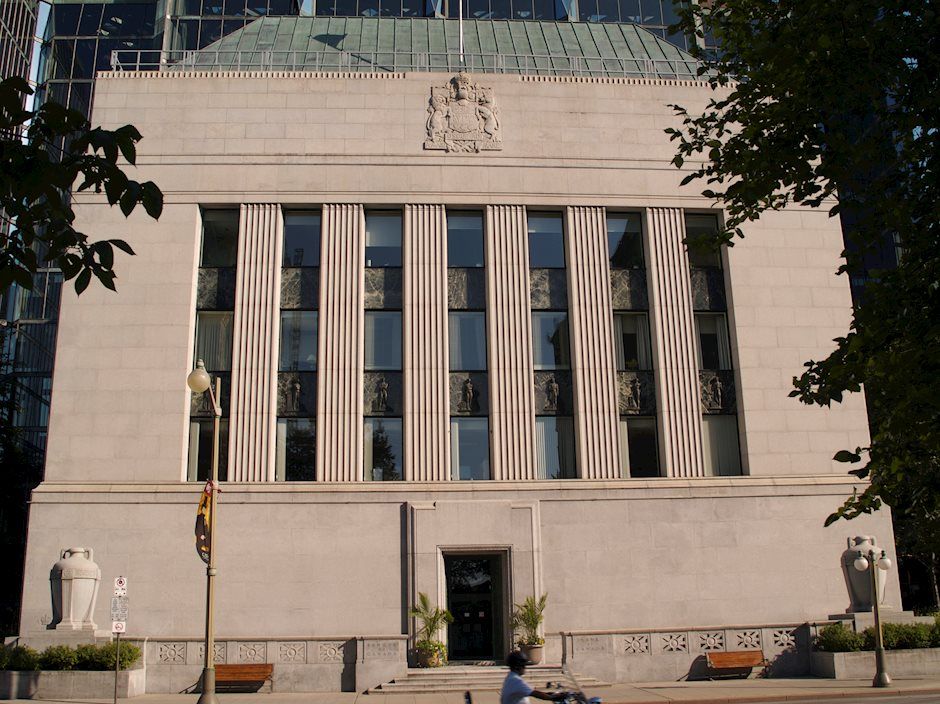

Analysts at Scotiabank, suggest that the BoC is expected to hike by 25bps in December and twice more in 2018 around April and October timelines.
Key Quotes
“In timing the next hike, the risk is skewed toward later than December rather than sooner. By 2019, a neutral policy rate range of 2–2.5% is forecast for this cycle.”
“Governor Poloz’s recent speech and press conference continue to leave the door open to further rate hikes while also indicating some patience and data dependence. In reference to how tightening involves more than just reversing the two cuts in 2015, Poloz stated that “At a minimum, that additional stimulus is no longer needed.”
“Briefly summarized, a pause was signalled by a) stating that the BoC will “feel our way cautiously”, b) indicating nothing “mechanical in our approach to monetary policy” which leans against a straight line of uninterrupted policy moves in anticipation of model-based developments, c) flagging still-soft wage data, d) indicating uncertainty over the investment cycle and its influences upon spare capacity and hence inflation pressures, and d) indicating uncertainty toward the “cause, size and persistence” of currency movements and associated effects.”
“The reasons for a tightening bias continue to include:
- The lifting of domestic idiosyncratic inflation drivers as prices for gasoline, autos and electricity turn from being disinflationary toward reflationary;
- The general output gap framework as spare capacity has largely closed on the back of strong growth while we anticipate that a slower-growing economy will slip marginally into excess aggregate demand going forward. With the customary lag, a mild rise in inflationary pressure is anticipated.
- Event risk has subsided. It appears unlikely a) that the US will impose border taxes, b) that NAFTA will be a major macro-event as opposed to a sector specific consideration, and c) that Canada will import a major bond market shock from the US on the application of fiscal and regulatory stimulus late in the cycle while the term premium rises as the Federal Reserve’s balance sheet shrinks.
- Financial stability risks. The corrections in Vancouver’s and Toronto’s housing markets will likely prove to be temporary and motivate further comfort toward tightening at a gradual pace. Indeed, household credit growth has accelerated over the summer.
- To sterilize a fiscal policy overshoot. The combined application of monetary and fiscal policy stimulus led to stronger-than expected GDP growth averaging nearly 4% over the past four quarters in inflation-adjusted terms.”
Author
Sandeep Kanihama
FXStreet Contributor
Sandeep Kanihama is an FX Editor and Analyst with FXstreet having principally focus area on Asia and European markets with commodity, currency and equities coverage. He is stationed in the Indian capital city of Delhi.

















