|

BoC Governor Macklem: “A natural next step” after rate hike is to move to QT
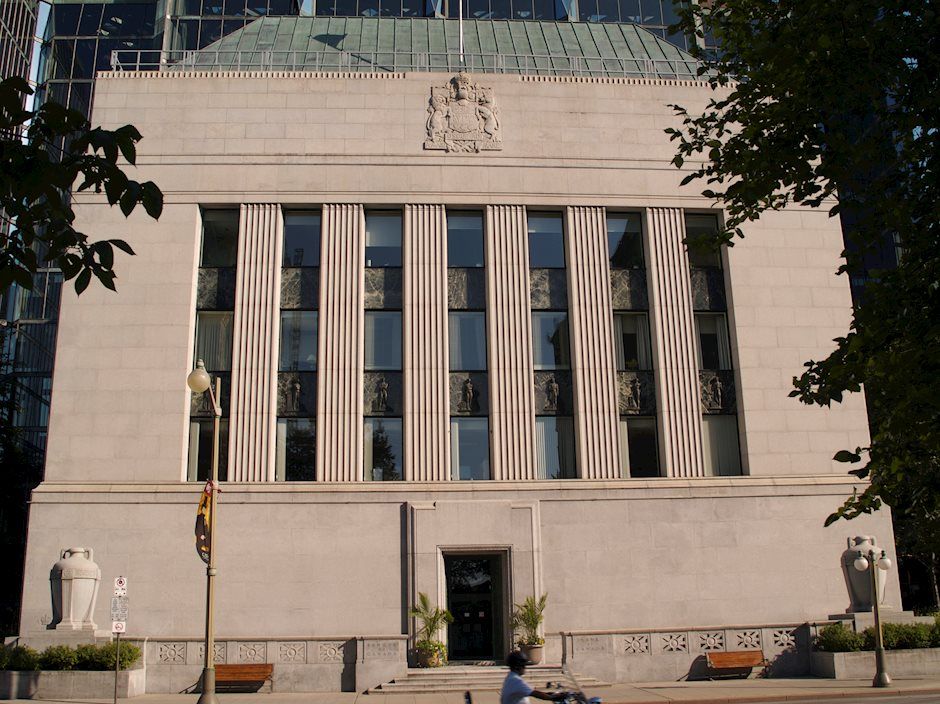
Bank of Canada Governor Tiff Macklem said on Thursday that the decision to hike interest rates means ending reinvestments and moving towards Quantitative Tightening (QT) as "a natural next step", Reuters reported. The timing and pace of QT will be fully transparent, Macklem added, saying that when we initiate quantitative tightening, we do not intend to actively sell bonds.

Additional Remarks:

"When we initiate quantitative tightening, we do not intend to actively sell bonds."

"Broadening in price pressures is a big concern and makes it more difficult for Canadians to avoid inflation."

"Longer-term inflation expectations have remained well anchored and we will use our tools 'with determination' to keep them that way."

"History shows that if inflation expectations become unmoored, it becomes much more costly to get inflation back to target."

"We need higher rates to dampen spending growth so demand does not run significantly ahead of supply."

"Canadian economy can handle higher rates; we know this will be a significant adjustment."

"We expect global demand and supply of goods to gradually come into better balance through 2022."

"Roughly 40% of our bond holdings mature within the next 2 years; this suggests balance sheet would shrink relatively quickly."

"As Canadian gov't bond holdings mature and roll off, the level of settlements balances on our balance sheet will decline roughly in tandem."

"Our primary tool is the policy interest rate; adjustments to pace and timing of removal of monetary stimulus will focus on policy rate."

"We fully intend to tighten policy in a deliberate and careful away, being mindful of the impacts and monitoring effects closely."

Author

Joel Frank

Joel Frank

Independent Analyst

Joel Frank is an economics graduate from the University of Birmingham and has worked as a full-time financial market analyst since 2018, specialising in the coverage of how developments in the global economy impact financial asset


More from Joel Frank
Share:

Markets move fast. We move first.

Orange Juice Newsletter brings you expert driven insights - not headlines. Every day on your inbox.

By subscribing you agree to our Terms and conditions.

Editor's Picks

EUR/USD bounces toward 1.1750 as US Dollar loses strength

EUR/USD returned to the 1.1750 price zone in the American session on Friday, despite falling Wall Street, which indicates risk aversion. Trading conditions remain thin following the New Year holiday and ahead of the weekend, with the focus shifting to US employment and European data scheduled for next week.

GBP/USD nears 1.3500, holds within familiar levels

After testing 1.3400 on the last day of 2025, GBP/USD managed to stage a rebound. Nevertheless, the pair finds it difficult to gather momentum and trades with modest intraday gains at around 1.3490 as market participants remain in holiday mood.

Gold trims intraday gains, approaches $4,300

Gold retreated sharply from the $4,400  area and trades flat for the day in the $4,320 price zone. Choppy trading conditions exacerbated the intraday decline, although XAU/USD bearish case is out of the picture, considering growing expectations for a dovish Fed and persistent geopolitical tensions.

Cardano gains early New Year momentum, bulls target falling wedge breakout

Cardano kicks off the New Year on a positive note and is extending gains, trading above $0.36 at the time of writing on Friday. Improving on-chain and derivatives data point to growing bullish interest, while the technical outlook keeps an upside breakout in focus.

Economic outlook 2026-2027 in advanced countries: Solidity test

After a year marked by global economic resilience and ending on a note of optimism, 2026 looks promising and could be a year of solid economic performance. In our baseline scenario, we expect most of the supportive factors at work in 2025 to continue to play a role in 2026.

Crypto market outlook for 2026

Year 2025 was volatile, as crypto often is.  Among positive catalysts were favourable regulatory changes in the U.S., rise of Digital Asset Treasuries (DAT), adoption of AI and tokenization of Real-World-Assets (RWA).












