|

AUD/USD rallies toward July highs after upbeat data – Rabobank
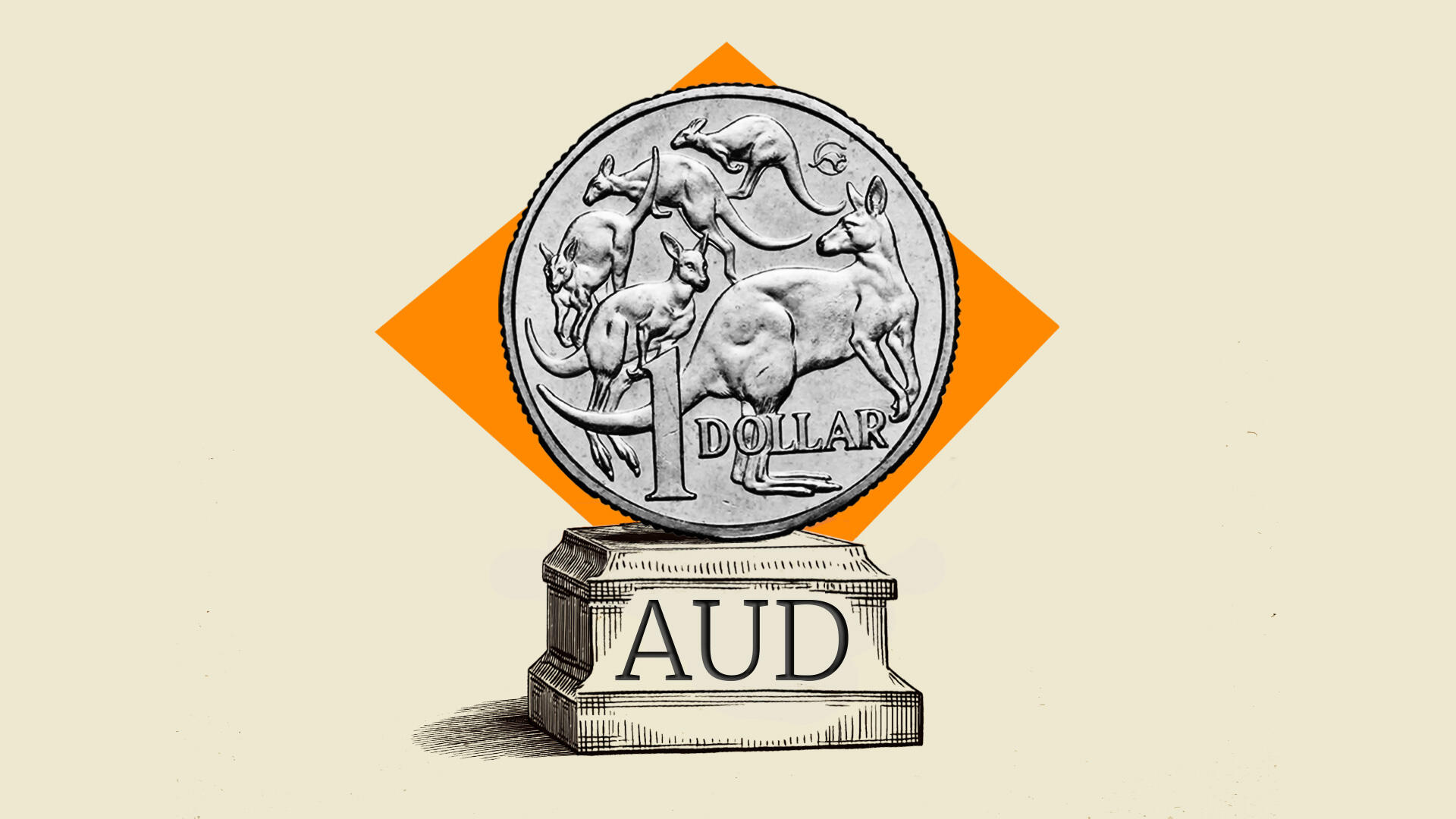
The Australian Dollar (AUD) climbed near July highs as stronger-than-expected GDP and household spending data cast doubt on further RBA rate cuts this year. While analysts forecast a moderate uptrend into 2026, they see room for short-term USD strength to push AUD/USD back toward 0.65 before resuming its rally, Rabobank's FX analyst Jane Foley reports.

Australian Q2 GDP surprises at 0.6% y/y, household spending jumps

"Last week, Australian Q2 GDP data posted a better than expected 0.6% y/y. The buoyant headline was followed by the news that household spending growth in July strengthened to 5.1% y/y. The relative strength of these data has cast some doubt on the ability of the RBA to cut rates again this year, even though CPI inflation has fallen back within the central bank’s 2-3% target band."

"Since these data releases last week, AUD/USD has pushed higher with the currency pair yesterday almost reaching its July high. While we continue to forecast a moderate uptrend in the currency pair into next year, we see scope for short covering in favour of the USD on a 1 to 3 month view."

"We see scope for a move back to the 0.65 area in this timeframe before AUD/USD moves to 0.89 on a 12 month view."

Author

FXStreet Insights Team

The FXStreet Insights Team is a group of journalists that handpicks selected market observations published by renowned experts. The content includes notes by commercial as well as additional insights by internal and external analysts.


More from FXStreet Insights Team
Share:

Editor's Picks

AUD/USD drops to two-week low, further below 0.7000 after RBA's less hawkish rate hike

AUD/USD drifts lower for the second straight day on Tuesday, hitting a fresh two-week low during the Asian session after the Reserve Bank of Australia's (RBA) widely expected 25 bps rate hike. The decision was far from unanimous, with three members preferring to hold rates at 4.60%. This tempers expectations of further tightening, which, along with modest US Dollar strength, weighs on the currency pair.


USD/JPY fails near 159.00 amid weak USD, intervention risks

USD/JPY edges lower during Tuesday’s Asian session, reversing part of the previous day's gains to 158.00 as the US Dollar remains depressed amid hopes for Iran diplomacy and ahead of US midterm elections. Meanwhile, intervention risks support the Japanese Yen, though the uncertainty over the timing of the next BoJ rate hike caps gains. This keeps the pair confined within a familiar range and warrants caution before placing directional bets.


Gold struggles below $3,950 amid Fed hike bets, ahead of US midterm elections

Gold weakens further below $3,950 during the Asian session, reversing part of the previous day's recovery from a one-year low set last week. Data released on Monday showed that US manufacturing sector business activity expanded for the 10th straight month in October. The Institute for Supply Management's Manufacturing PMI came in higher than consensus estimates and rose to 55.5 in October from 54.5 in the previous month. This reaffirms hawkish US Federal Reserve expectations, which along with rebounding US bond yields, prompt fresh selling around the non-yielding yellow metal.

Cardano extends losses as sellers stay in control

Cardano (ADA) extends correction, trading below $0.189 on Tuesday after losing key support zone the previous day. Mixed derivatives data and cautious on-chain metrics continue to weigh on bullish sentiment, while weakening technical indicators suggest further downside risks for ADA.

What a split Congress means for the US Dollar

The United States is going to the polls on Tuesday, and much is at stake. The mid-term elections mean the renovation of roughly one-third of the Senate and all 435 of the House seats. Additionally, special elections in Florida and Ohio will be held to fill the seats vacated by US Secretary of State Marco Rubio and Vice President JD Vance.

The 2% inflation target came from a throwaway remark. It now moves trillions
The Federal Reserve's 2% inflation goal grew out of an off-the-cuff remark by a New Zealand politician in 1988. Bond investors still price long-term US debt as if 2% holds, so a change in how the Fed measures inflation would move markets.