What are the main types of exchanges offered by the cryptocurrency market?
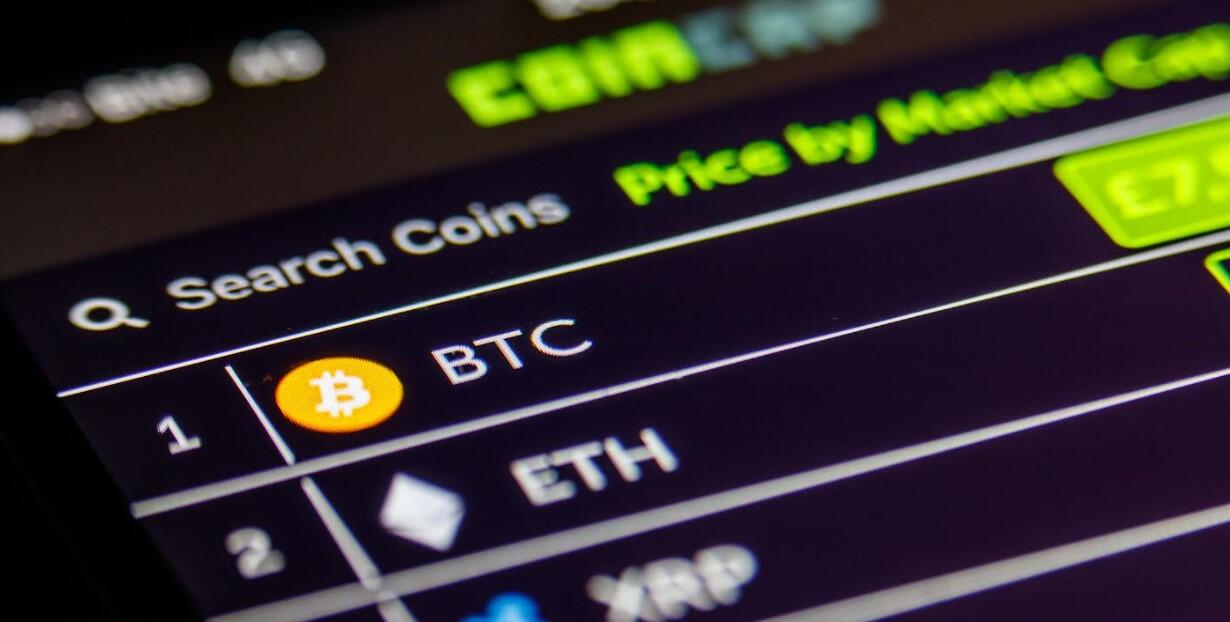
While starting to invest in cryptocurrencies, the user will find various types of cryptocurrency exchanges.
This is how it becomes essential that the user understand the differences that exist between the different types of exchanges before starting to invest.
After the user understands the main differences between CEX and DEX they will be able to carry out an investment with better results.
Centralized exchanges
Centralized exchanges, or CEX are platforms on which the user can enter and start trading with cryptocurrencies.
These types of platforms have the presence of a company behind them, which can assist the user in case of doubts or failures.
They usually offer different types of cryptocurrencies and different forms of operations, such as spot markets, futures markets, and contract operations.
Decentralized exchanges
Unlike centralized exchanges, decentralized exchanges, or DEXs do not have the presence of a centralized company behind them.
In decentralized exchanges, operations are usually carried out directly between users in P2P mode.
Decentralized exchanges employ smart contracts, which are automatically executed under set conditions and record each transaction on the blockchain.
There are several decentralized exchanges, such as Pancake Swap, which is one of the best-known DEXs in the market.
Javier Castro Acuña, Business Controller at Bitnovo affirms, "Among the many differences between a CEX and a DEX, I would highlight that, in order to operate in a CEX, you have to register with it, having to go through an exhaustive KYC (Know Your Customer) in which you provide personal data and documents, proof of life (photo or video), and wait for approval. Once the registration is passed, you have to deposit the funds to be able to operate, so you are ceding control over them. To operate in a DEX, you only have to connect your wallet, and the funds are always in your possession—two of the great advantages of decentralization "
Conclusion
The cryptocurrency market has various options for exchanges as well as wallets for users.
It will be critical for users to take the time to understand the difference between different types of wallets and exchanges before starting to trade.
Author

Juan Frers Allan
Paxful
Professor at the University of Buenos Aires in the School of Economics. Professor at the University of Chile in Fintech and Cryptocurrencies course. Researcher at the University of Buenos Aires.