Trump plans order to end crypto banking restrictions
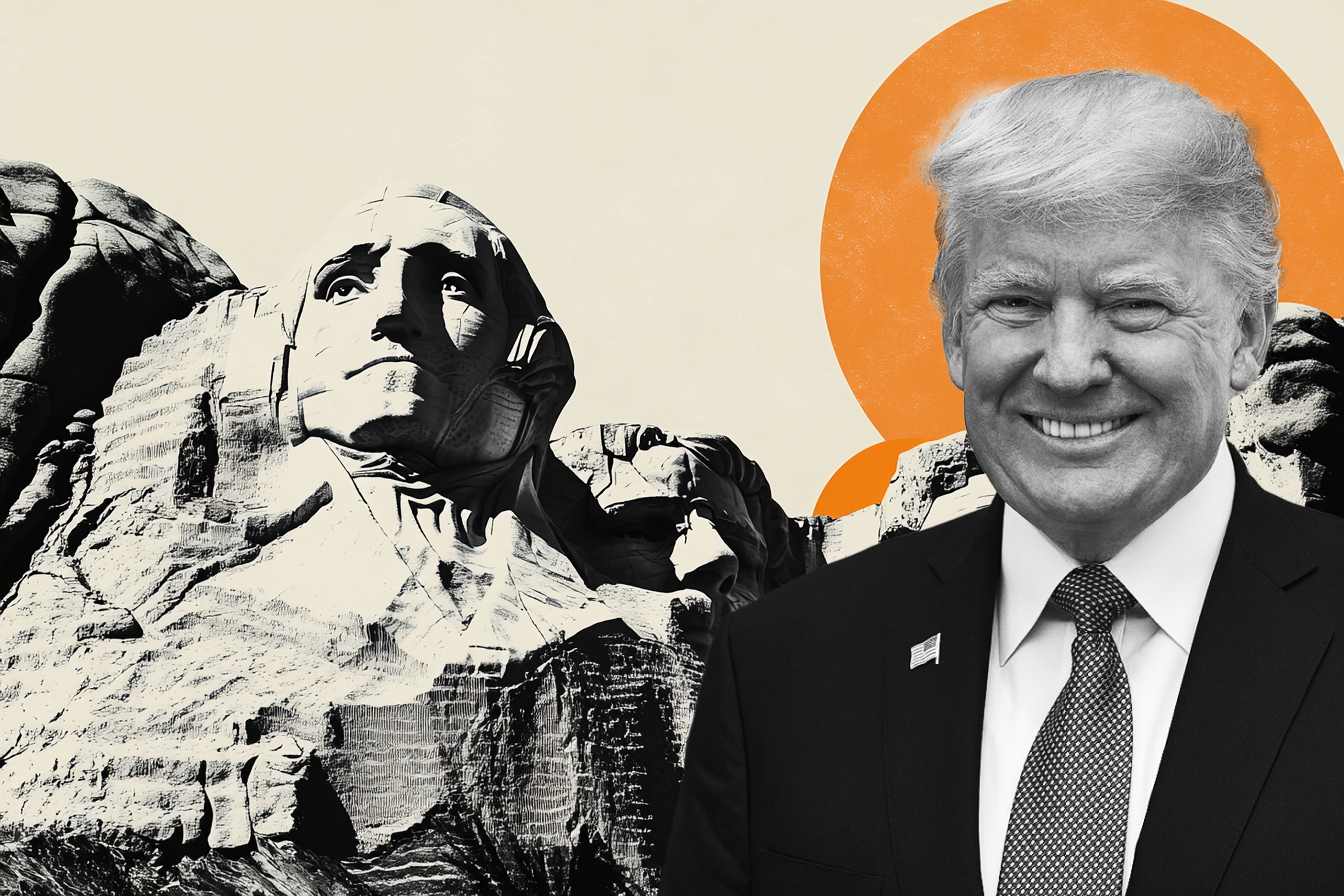
Trump plans an executive order to end crypto debanking rules, aiming to grant banking access to crypto firms and reshape the digital asset industry.
Donald Trump is preparing to sign an executive order aimed at reversing policies that have restricted banking access for cryptocurrency businesses. This move is expected to overturn what industry leaders have called Operation Choke Point 2.0, a set of restrictions that have made it difficult for crypto banks to operate within the traditional financial system. By lifting these barriers, Trump's order could reshape the digital asset landscape in the United States, providing new opportunities for crypto-friendly financial institutions.
The initiative is linked to a broader effort to remove policies that were originally introduced to target high-risk industries, such as payday lenders and firearm dealers, but later expanded to include cryptocurrency firms. Many in the industry argue that these restrictions unfairly blocked crypto businesses from accessing essential banking services. Trump’s order is expected to direct regulatory agencies to change their stance, ensuring that legitimate crypto firms can secure the same financial services as other businesses.
One of the most significant potential changes is the push to grant Federal Reserve master accounts to crypto banks. These accounts allow financial institutions to conduct transactions directly with the Federal Reserve, providing a crucial link between the crypto industry and traditional banking. Under the Biden administration, banks such as Custodia faced repeated denials when applying for these accounts, effectively cutting them off from the larger financial system. If Trump’s order succeeds, crypto banks could gain full access to these services, reducing their reliance on intermediaries.
While this move is being welcomed by many in the crypto sector, it is expected to face resistance from regulatory bodies. The Federal Reserve operates independently and is not obligated to follow White House directives. This means that even if the executive order is signed, its impact may depend on how the Fed and other financial agencies respond. Some experts predict that central bank officials could push back against the changes, arguing that they need to maintain control over financial stability and risk management.
This order would be Trump’s third major crypto-related executive action since returning to office. His first order established a Presidential Working Group focused on digital asset markets, while his second order created a US Bitcoin reserve. However, despite these moves, the broader crypto market has remained volatile. Some industry leaders have expressed frustration, saying that while Trump’s actions appear pro-crypto, they have yet to significantly improve market sentiment.
The timing of this executive order is particularly important as the crypto industry navigates a period of uncertainty. Bitcoin and Ethereum prices have recently dropped, with some analysts pointing to broader economic concerns as a key factor. Trump's latest policies, including new tariffs on China, Mexico, and Canada, have created instability in traditional markets, leading some investors to pull funds from crypto-backed financial products. This has added pressure to an already shaky market, making it unclear whether the executive order will be enough to restore confidence among traders.
Despite these concerns, the announcement of Trump’s order has reignited debate over the future of cryptocurrency regulation in the US. Supporters argue that providing clearer banking access to crypto firms will encourage innovation and position the US as a leader in digital finance. Critics, however, worry that reducing oversight could lead to greater risks, particularly if banks are forced to process transactions for companies with unclear financial practices.
The next steps will depend on how quickly Trump moves to implement the order and how financial regulators react. If the executive action successfully pushes agencies to revise their policies, it could mark a turning point for the crypto industry. However, if resistance from the Federal Reserve slows down implementation, the order may have little immediate effect. Either way, Trump's push to end crypto debanking policies is a major development that will shape the conversation around digital asset regulation in the coming months.
Author

Jacob Lazurek
Coinpaprika
In the dynamic world of technology and cryptocurrencies, my career trajectory has been deeply rooted in continuous exploration and effective communication.