Grayscale faces litigation for GBTC mismanagement; same product it wants converted to spot BTC ETF
- Grayscale is facing a lawsuit for conflict of interest claims and allegations of Bitcoin Trust mismanaging, citing "exorbitant" management fees.
- Alameda Research and other funds, comprising shareholders, are pushing for litigation, seeking customers' crypto funds redemption.
- According to the plaintiff, Grayscale has violated its "contractual and fiduciary duties to Alameda and other trust investors."
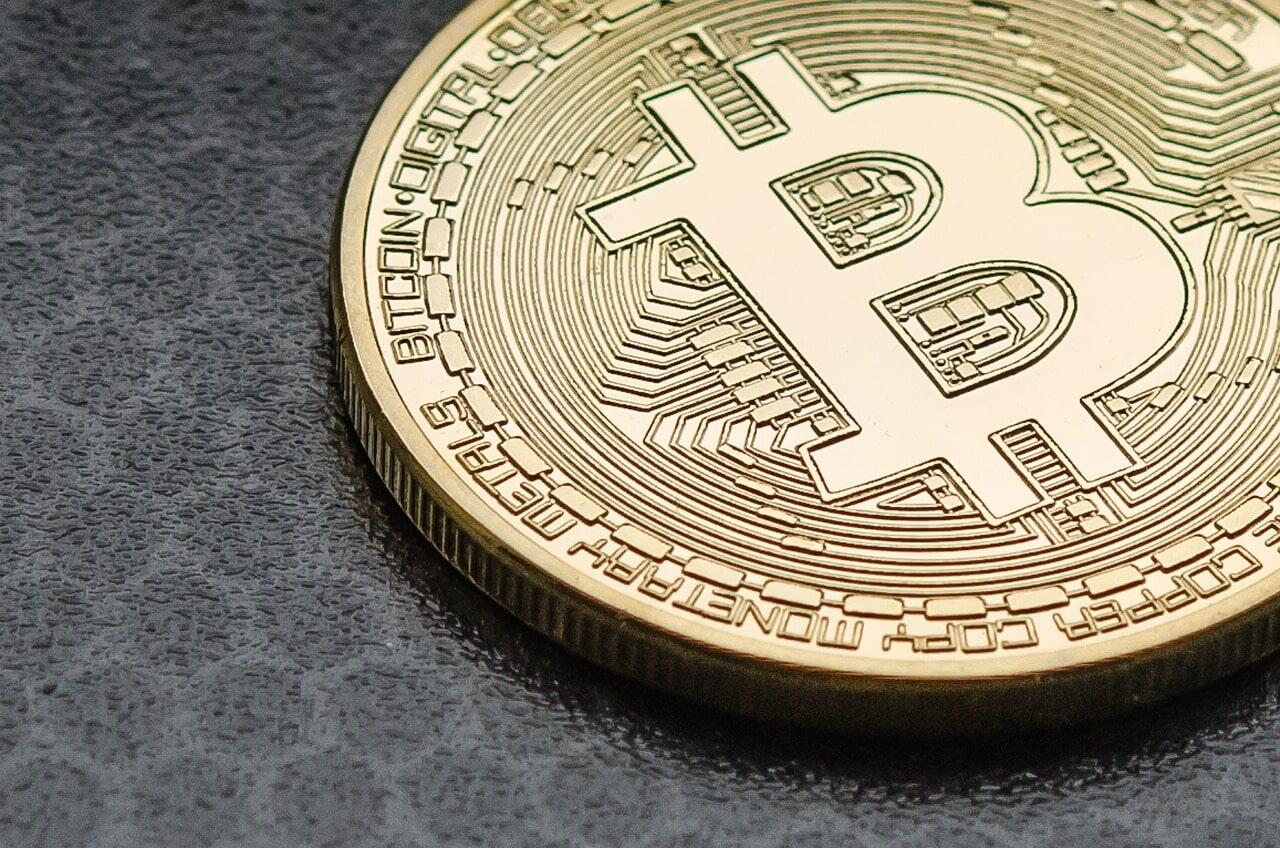
Grayscale Investment LLC, touted as the leading digital currency asset manager, is facing a lawsuit from its own shareholders, who call out the firm for mismanaging the Grayscale Bitcoin Trust (GBTC) as well as claims of conflict of interest.
Also Read: SEC delays decision on Grayscale's GBTC to ETF conversion after Ark Invest remission.
Grayscale faces lawsuit for GBTC mismanagement
Grayscale shareholders, comprising the sister firm of FTX exchange, Alameda Research, and funds such as like Fir Tree Partners, Saba Capital, Owl Creek Asset Management, UTXO Management, and Aristides Capital, have brought a lawsuit to the asset manager's doorstep filed in the Chancery Court of Delaware.

Shareholders' lawsuit against Grayscale
The plaintiff, Alameda Research and group, has lodged a campaign against Grayscale with the objective to compel the asset manager to return customer funds held in its trust. Allegedly, the firm has refused to allow customers to redeem their Bitcoin (BTC) and Ethereum (ETH).
The group also wants the firm to repay the inflated management fees that it charges, claiming it as "exorbitant." Notably, court documents indicate that the firm has collected at least $1.3 billion in fees since 2021.
Accordingly, the litigation seeks to recover the funds and work out a restructure of both GBTC and Ethereum Investment Trust (ETHE) to fit "competitive rates." The campaign saw the plaintiff set up a website to pull shareholders together in their joint cause, aligning with an article in their terms of agreement that states:
Shareholders can raise a case against the trust if unaffiliated parties collectively holding at least 10% of outstanding shares join together as co-plaintiffs.
Meanwhile, the asset manager is awaiting a decision from the US SEC after a delayed response in its appeal to have the GBTC converted into a spot BTC ETP. Notably, an ETP is how the Grayscale camp refers to an ETF.
While the SEC approved Grayscale's BTC futures ETF, it delayed a decision for the GBTC to ETP conversion.
UPDATE: No @Grayscale decision today on their case against the SEC in trying to convert $GBTC to an ETF.
— James Seyffart (@JSeyff) August 15, 2023
Come back Friday for more potentially useless updates. https://t.co/v6vJUvBxeN pic.twitter.com/JbTFcD214K
The asset manager had taken the matter to court beginning June 29, 2022.
In the petition, Grayscale claimed that the SEC "randomly established that the proposal to list and trade the trust's shares was not clear-cut to prevent manipulation and fraud." According to the asset management firm, the SEC did this despite having approved BTC Futures ETFs that had the exact same vulnerabilities open to manipulation and fraud.
It should be noted that the regulator has also delayed a decision on Cathie Wood's Ark Invest application, with seven pending decisions slated for the first week of September. Nevertheless, it is worth pondering over what it would mean to the SEC that Grayscale wants the same product it is accused of mismanaging converted into a spot BTC ETF.
Already, the regulator has established so many loops that applicants must jump over before securing approval. Former SEC chair Jay Clayton said it would be difficult to deny approval of spot Bitcoin ETF if efficacy is demonstrated. More recently, John Reed Stark, a former SEC staff, had mentioned that it would take a Republican regime for approval to come in.
Cryptocurrency prices FAQs
How do new token launches or listings affect cryptocurrency prices?
Token launches like Arbitrum’s ARB airdrop and Optimism OP influence demand and adoption among market participants. Listings on crypto exchanges deepen the liquidity for an asset and add new participants to an asset’s network. This is typically bullish for a digital asset.
How do hacks affect cryptocurrency prices?
A hack is an event in which an attacker captures a large volume of the asset from a DeFi bridge or hot wallet of an exchange or any other crypto platform via exploits, bugs or other methods. The exploiter then transfers these tokens out of the exchange platforms to ultimately sell or swap the assets for other cryptocurrencies or stablecoins. Such events often involve an en masse panic triggering a sell-off in the affected assets.
How do macroeconomic releases and events affect cryptocurrency prices?
Macroeconomic events like the US Federal Reserve’s decision on interest rates influence risk assets like Bitcoin, mainly through the direct impact they have on the US Dollar. An increase in interest rate typically negatively influences Bitcoin and altcoin prices, and vice versa. If the US Dollar index declines, risk assets and associated leverage for trading gets cheaper, in turn driving crypto prices higher.
How do major crypto upgrades like halvings, hard forks affect cryptocurrency prices?
Halvings are typically considered bullish events as they slash the block reward in half for miners, constricting the supply of the asset. At consistent demand if the supply reduces, the asset’s price climbs. This has been observed in Bitcoin and Litecoin.
Author

Lockridge Okoth
FXStreet
Lockridge is a believer in the transformative power of crypto and the blockchain industry.