German BaFin official calls for 'innovative' EU-wide DeFi regulation
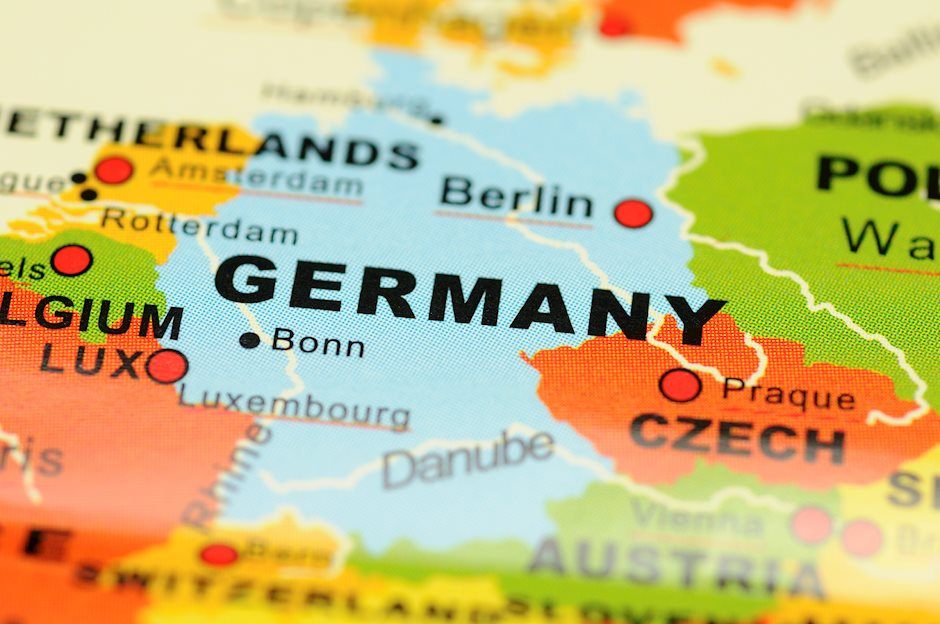

Highlighting Germany’s crypto license as an example of attractive regulation, Birgit Rodolphe writes that similar frameworks should be the same throughout the EU to “prevent a fragmented market.”
Birgit Rodolphe, an executive director at Germany's Federal Financial Supervisory Authority (BaFin) has called for innovative and uniform regulation of the decentralized finance (DeFi) space throughout the European Union (EU).
BaFin is Germany’s financial regulatory body responsible for regulating banks, insurance firms, and financial institutions including cryptocurrency companies. BaFin is the issuer of “crypto custody licenses,” a permit required for firms wanting to offer cryptocurrency services within Germany.
In an article on BaFin’s website Rodolphe warned of the risks to consumers of the unregulated DeFi space and called for standardized regulatory considerations across EU member countries.
One thing is clear: the clock is ticking. The longer the DeFi market goes unregulated, the greater the risk for consumers, and all the greater is the danger that critical offers that have systemic relevance will establish themselves.
She cited risks to consumers of “technical issues, hacks, and fraudulent activity” that have seen millions lost and claimed that DeFi isn’t as “democratic and altruistic” as its fans say, and that DeFi products are “difficult for many to grasp.” She concluded that DeFi protocols aren’t at liberty to operate outside of regulations simply because they use new technologies.
Utopia? Or rather dystopia? Who do I contact if I want to defer my crypto loan? What happens if my crypto assets suddenly disappear altogether? In any case, there is no deposit protection fund for such cases.
She added that lending, borrowing, insurance, and other products outside of the traditional financial system are subject to licensing and supervision where they’re offered, and called on regulators to set rules which will give DeFi providers legal clarity.
Rodolphe highlighted BaFin’s “crypto custody business” license introduced in January 2020 as a regulatory regime that is “attractive” to crypto businesses.
The license permits companies to offer crypto services in Germany. Currently only four providers are approved but many financial institutions have submitted an application. Rodolphe wrote regulatory frameworks should be the same in different European countries:
Ideally, such requirements would of course be uniform throughout the EU in order to prevent a fragmented market and to leverage Europe's entire innovation potential.
Germany rose to the top spot as the most “crypto-friendly” country in the first quarter of 2022 due in part to its zero-tax policy on long-term crypto capital gains. A March 2022 report found that almost half of Germans are interested in investing in crypto.
Germany also made many moves related to crypto across its government in 2021 with law reforms to embrace blockchain and the tightening of regulations on crypto businesses. The country’s central bank took a leading role in testing a European central bank digital currency.
Rodolphe concluded that new DeFi regulations can’t be weaker than the standards already in place with traditional financial products as it could make DeFi products more attractive for businesses to pursue from a regulatory point of view.
Author
Cointelegraph Team
Cointelegraph
We are privileged enough to work with the best and brightest in Bitcoin.