BRICS considers launching stablecoin for international trade settlement
- BRICS intensifies de-dollarization efforts as they plan to launch stablecoin.
- Speculations are that the stablecoin would be backed by gold, considering the huge holdings of BRICS nations.
- XRP enthusiasts hint at BRICS leveraging XRP's upcoming stablecoin.

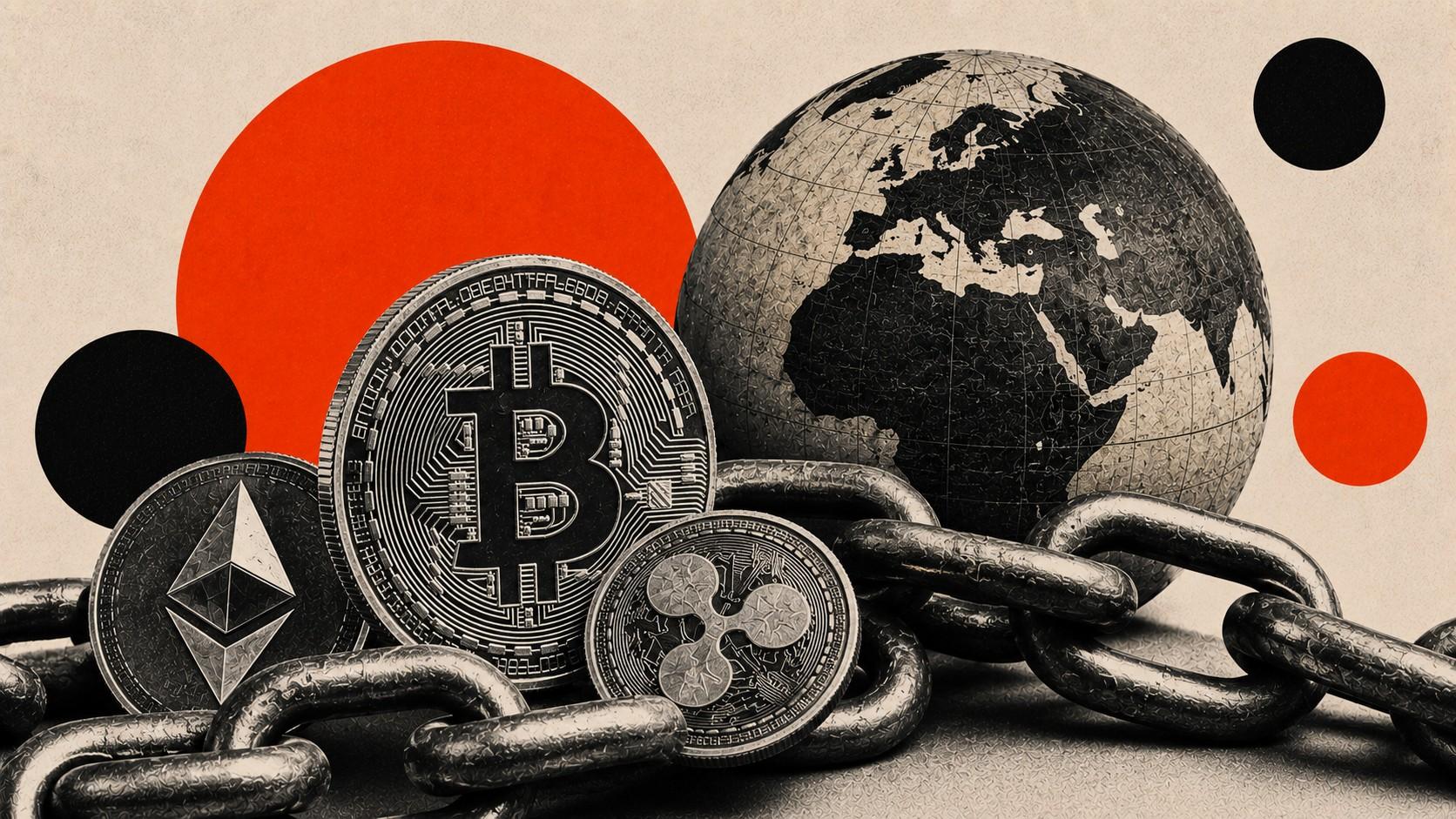
BRICS is intensifying efforts to reduce its reliance on the US dollar after plans for its stablecoin effort surfaced online on Tuesday. Most people expect the stablecoin to be backed by gold, considering BRICS nations have been accumulating large holdings of the commodity.
Also read: Tether moves against Venezuelan government's plans to leverage USDT for oil transactions
BRICs set to launch its own stablecoin
BRICS has stated it's considering developing a stablecoin for international trade.
This idea was well spoken of by Russian Deputy Foreign Minister Sergei Ryabkov, who highlighted the benefits that stablecoins could add to the group. He stressed the need for the bloc to unite their financial systems, and the stablecoin may be the only solution.
With the BRICS's growing economic status, developing its own stablecoin may help its nations' economies thrive. This move might also lead to the creation of the bloc's own native currency.
Also read: Google, Apple could remove Binance from their app store on Philippines SEC request
BRICS intensifies the de-dollarization efforts as they plan to launch stablecoin. The race to end dependence on the US dollar for trades at a global level may be fast approaching with the BRICS stablecoin. This move is one of many that will push the idea of a "multi-polar world." This is to end the reliance on the US dollar for international trade.
Speculations are that the stablecoin would be backed by gold, considering the huge holdings of BRICS nations.
An XRP enthusiast has hinted at BRICS leveraging XRP's upcoming stablecoin. The claims suggest that BRICS' move to create its own stablecoin may not be a coincidence, seeing that Ripple has also announced its plans to release a stablecoin later this year on the XRP Ledger.
Read more: Cardano active wallets increase to highest since late 2022 ahead of USDM stablecoin rollout
Another X user noted that the move by BRICS to create a stablecoin is a strong step in creating a decentralized marketplace. As the de-dollarization efforts continue, the move may benefit every economy that partakes in it.
BRICS FAQs
The BRICS is the acronym denoting the grouping of Brazil, Russia, India, China and South Africa. The name was created by Goldman Sachs’ economist Jim O’Neill in 2001, years before the alliance between these countries was formally established, to refer to a group of developing economies that were predicted back then to lead the global economy by 2050. The bloc is seen as a counterweight to the G7, the group of developed economies formed by Canada, France, Germany, Italy, Japan, the United Kingdom and the United States.
The BRICS is a bloc which intends to give voice to the so-called “Global South”. The alliance tends to have similar views on geopolitical and diplomatic issues, but still lacks a clear economic integration as the governing systems and cultural divergence between its members is significant. Still, it holds yearly summits at the highest level, coordinates multilateral policies and has implemented initiatives such as the creation of a joint development bank. In August 2023, the group announced that six other members were invited to join the bloc: Argentina, Egypt, Ethiopia, Iran, Saudi Arabia and the United Arab Emirates.
The BRICS alliance – without counting the six new members invited to join the group – accounts for 32% of the global economy measured at purchasing power parity as of April 2023, according to data from the International Monetary Fund. This compares with the 30% of the G7 group.
There has been increasing speculation about the BRICS alliance creating a currency backed by some sort of commodity like Gold. The proposal is meant to reduce the use of the dominant US Dollar in cross-border economic exchanges. In the BRICS’ 2023 summit, the group stressed the importance of encouraging the use of local currencies in international trade and financial transactions between the members of the bloc as well as their trading partners. The group also tasked finance ministers and central bank governors “to consider the issue of local currencies, payment instruments and platforms” for this purpose. Even if the bloc’s de-dollarization strategy looks clear, the creation and implementation of a new currency seems to have a long way to go.
Author

Michael Ebiekutan
FXStreet
With a deep passion for web3 technology, he's collaborated with industry-leading brands like Mara, ITAK, and FXStreet in delivering groundbreaking reports on web3's transformative potential across diverse sectors. In addition to