|

Crypto can’t be used as money due to ‘inherent flaws,’ BIS tells g20
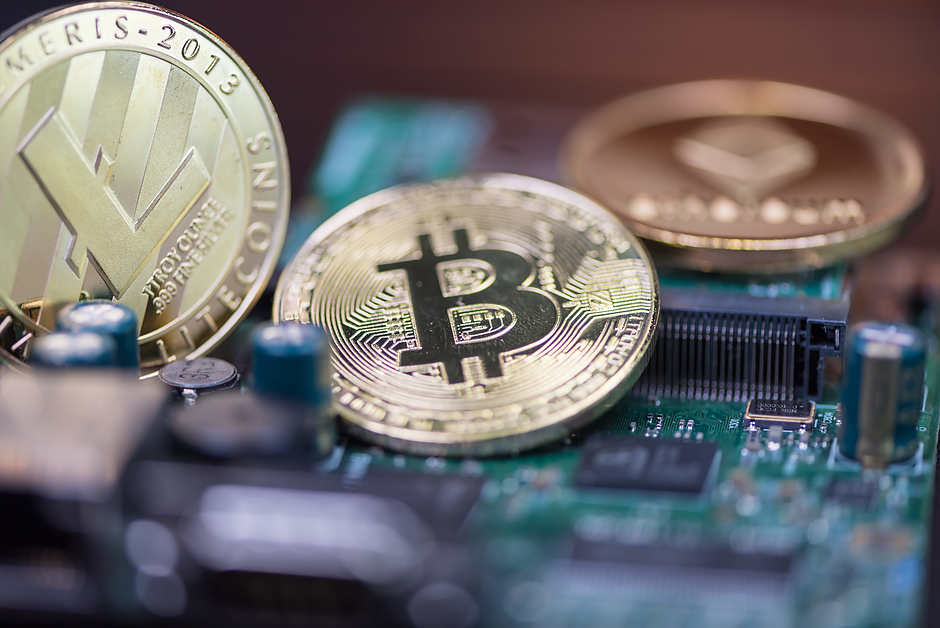
Crypto’s “inherent structural flaws” make it unsuitable as a monetary tool, the Bank for International Settlements said in a report sent to finance ministers of the world’s twenty largest economies.

The report from BIS, a grouping of the world’s major central banks, cited issues of instability, inefficiency and accountability that outweigh potential innovative benefits such as automated payments.

Despite the millions of retail and institutional investors getting involved in the growing sector, “crypto has so far failed to harness innovation to the benefit of society,” said the report, prepared for a meeting of G20 finance ministers and central bank governors due to take place in Gandhinagar, India this weekend.

“Crypto remains largely self-referential and does not finance real economic activity,” it added. “Inherent structural flaws make it unsuitable to play a significant role in the monetary system.”

The report comes after a turbulent year for crypto. The report cites the losses from the collapses of FTX and of the Terra ecosystem, the risk of hacks and rug pulls and the problems of scaling to become the size a full-on payment system will need – since, it said, permissionless blockchains that grow too large get congested.

Central bankers’ skepticism about crypto is nothing new, given fears that new payment systems could disrupt or displace the traditional fiat currencies they issue.

Members of the G20 appear to be cautious about encouraging stablecoins, cryptocurrencies tied to the value of fiat currencies, since the effect on centralized monetary policy can be even more pronounced in emerging markets.

Author

CoinDesk Analysis Team

CoinDesk is the media platform for the next generation of investors exploring how cryptocurrencies and digital assets are contributing to the evolution of the global financial system.


More from CoinDesk Analysis Team
Share:

Markets move fast. We move first.

Orange Juice Newsletter brings you expert driven insights - not headlines. Every day on your inbox.

By subscribing you agree to our Terms and conditions.

Editor's Picks

Solana Price Forecast: SOL consolidates as spot ETF inflows near $1 billion signal institutional dip-buying

Solana (SOL) price hovers above $131 at the time of writing on Monday, nearing the upper boundary of a falling wedge pattern, awaiting a decisive breakout.

Top 3 Price Prediction: Bitcoin, Ethereum, Ripple – BTC, ETH and XRP face pressure near key technical barriers

Bitcoin (BTC), Ethereum (ETH) and Ripple (XRP) hover around key levels on Monday after correcting slightly in the previous week. The top three cryptocurrencies by market capitalization could face increased downside risk as bearish momentum builds across key indicators.

Top Crypto Losers: DASH, SPX, PENGU – Privacy and meme coins lose ground

Altcoins, including Dash (DASH), SPX6900 (SPX), and Pudgy Penguins (PENGU), are leading losses as the broader cryptocurrency market remains cautious ahead of the macroeconomic data releases, such as the US Nonfarm payroll report, CPI data, and the Bank of Japan’s rate-hike decision.

Top 3 Price Prediction: BTC and ETH eyes breakout, XRP steadies at support

Bitcoin (BTC) and Ethereum (ETH) are nearing the key resistance levels at the time of writing on Friday, and a successful breakout could open the door for a fresh rally. Meanwhile, Ripple (XRP) is stabilizing around a crucial support zone, hinting at a potential rebound if buyers maintain control.

Orange Juice Newsletter – Smart insights by real people. Every day.

A free newsletter highlighting key market trends to help traders stay a step ahead. Daily insights on the most relevant trading topics, compiled by our experts in an easy-to-read format so you never miss an important move.

Bitcoin: Fed delivers, yet fails to impress BTC traders

Bitcoin (BTC) continues de trade within the recent consolidation phase, hovering around $92,000 at the time of writing on Friday, as investors digest the Federal Reserve’s (Fed) cautious December rate cut and its implications for risk assets.