|

Yield Curve Inversion & Dow Transport Index Point To Problems Ahead
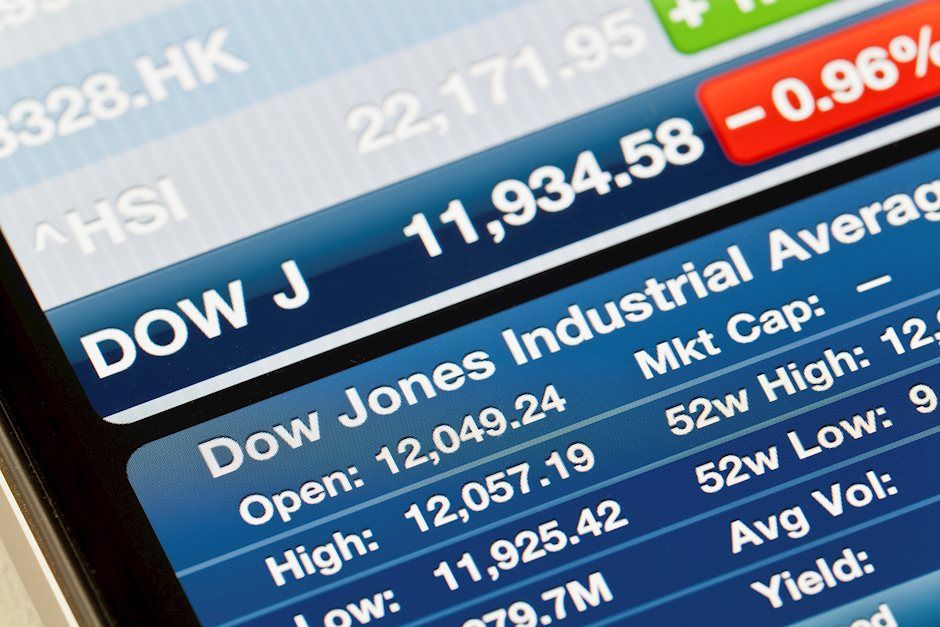
An inversion of the 2 year and 10-year bond yield curves in the previous session sent panic across the markets. The DOW closed down 800 points, below its 200-day moving average as investors sold out of riskier assets, such as stocks, and moved into safer havens such as bonds, gold and the Japanese yen.

The inversion of the 2-year yield curve with the 10 year yield curve provoked such a reaction because it is considered a clear signal for a recession. These yield curve’s inverted before each of the 7 previous recessions, including the Great Recession.

Whilst an inverted yield curve preceded each recession, every inverted yield curve does not lead to a recession. In the same breath, US – Sino trade tensions, Brexit, Italian politics and political unrest in Hong Kong are giving investors plenty to fret about.

Fears have eased in early trading this morning; investors are bargain hunting after yesterday’s bloodbath and Dow futures are nudging higher recouping some losses. Yet without any good news to support the move higher, today’s rally could be more of a dead cat bounce rather than any meaningful advance owing to a change in risk sentiment.

Dow Transportation Index Indicates More Pain To Come

The fact is that no one actually knows what is next for the markets. However, the signs flashing from the markets are not great. Far from it.  In addition to the inverted 2 year and 10 year yield curve, the Dow transport index which is often viewed as a lead indicator for wider stock market movements is also showing signs of strain. The DJT is currently down 11.5% from its April high, whilst the Dow is down just 6.8%.

Up Next

US retail sales data is up next. Expectations are for retail sales to have increased a steady 0.3% month on month. Given current slowdown fears and surprise to the downside could result in US futures quickly giving up this morning’s gains.

Author

More from Fiona Cincotta
Share:

Editor's Picks

EUR/USD hits two-day highs near 1.1820

EUR/USD picks up pace and reaches two-day tops around 1.1820 at the end of the week. The pair’s move higher comes on the back of renewed weakness in the US Dollar amid growing talk that the Fed could deliver an interest rate cut as early as March. On the docket, the flash US Consumer Sentiment improves to 57.3 in February.

GBP/USD reclaims 1.3600 and above

GBP/USD reverses two straight days of losses, surpassing the key 1.3600 yardstick on Friday. Cable’s rebound comes as the Greenback slips away from two-week highs in response to some profit-taking mood and speculation of Fed rate cuts. In addition, hawkish comments from the BoE’s Pill are also collaborating with the quid’s improvement.

Gold climbs further, focus is back to 45,000

Gold regains upside traction and surpasses the $4,900 mark per troy ounce at the end of the week, shifting its attention to the critical $5,000 region. The move reflects a shift in risk sentiment, driving flows back towards traditional safe haven assets and supporting the yellow metal.

Crypto Today: Bitcoin, Ethereum, XRP rebound amid risk-off, $2.6 billion liquidation wave

Bitcoin edges up above $65,000 at the time of writing on Friday, as dust from the recent macro-triggered sell-off settles. The leading altcoin, Ethereum, hovers above $1,900, but resistance at $2,000 caps the upside. Meanwhile, Ripple has recorded the largest intraday jump among the three assets, up over 10% to $1.35.

Three scenarios for Japanese Yen ahead of snap election

The latest polls point to a dominant win for the ruling bloc at the upcoming Japanese snap election. The larger Sanae Takaichi’s mandate, the more investors fear faster implementation of tax cuts and spending plans. 

XRP rally extends as modest ETF inflows support recovery

Ripple is accelerating its recovery, trading above $1.36 at the time of writing on Friday, as investors adjust their positions following a turbulent week in the broader crypto market. The remittance token is up over 21% from its intraday low of $1.12.













