Xi’s “Asian family” charm offence
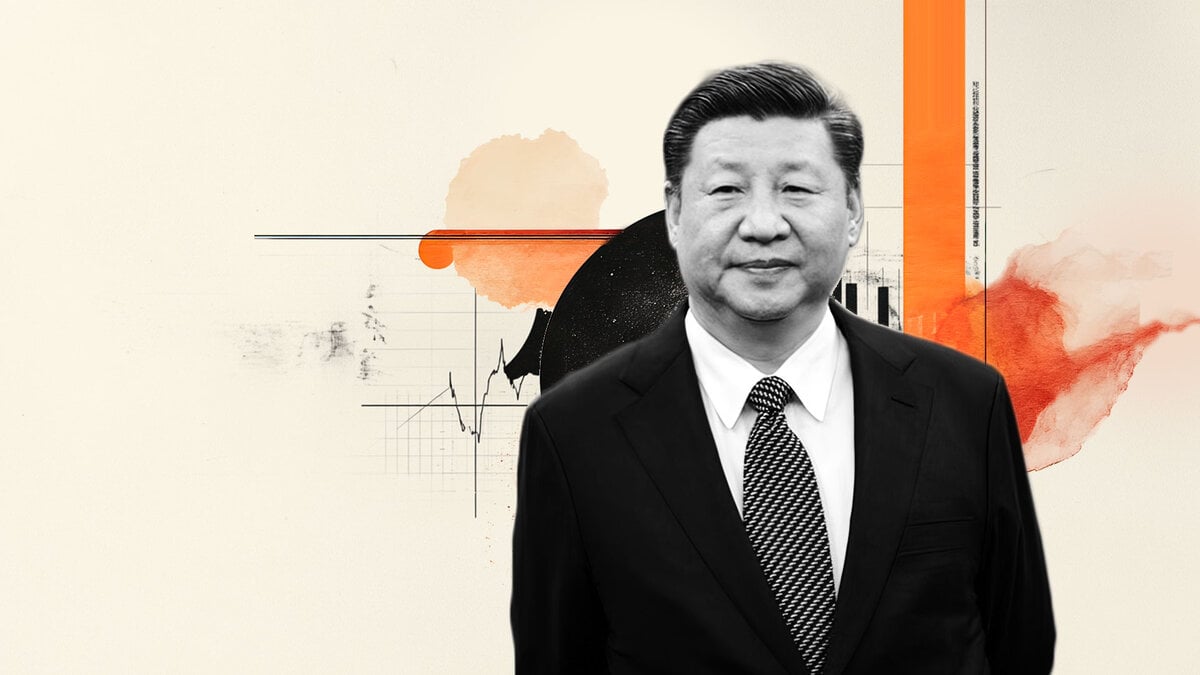

Let’s be real — Xi’s “Asian family” pitch is a diplomatic sugar cookie wrapped in nostalgia and wishful thinking. But geopolitics doesn’t run on sentiment; it runs on incentives, leverage, and adaptive risk management. And right now, the region isn’t being drawn into a Chinese embrace — it’s being pulled into a high-stakes Bayesian recalibration loop. This is the art of the deal, Indo-Pacific edition.
Sure, Xi got the red carpet in Malaysia and Vietnam. But let’s not confuse pageantry with positioning. ASEAN leaders are experts in the fine art of playing both sides. They’ll sign the MOUs, smile for the cameras, and cash Beijing’s checks — but under the table, they’re tightening defense, tech, and intel ties with the U.S., Japan, and India. That’s hedging 101.
And let’s not pretend Xi’s charm offensive is working in a vacuum. Trump’s secondary tariff push — if it materializes — isn’t just a stick. It’s a structured incentive system. Allies who play ball get tariff relief, market access, and a tighter seat at the table. That’s how you convert economic gravity into strategic alignment.
The idea that Malaysia is suddenly pivoting to Beijing because Anwar praised Xi as “extraordinary” is laughable. ASEAN sentiment data from Pew and ISEAS consistently shows a preference for U.S. leadership over Chinese dominance — because locals know the game. China’s Belt-and-Road isn’t charity. It’s leverage. And Beijing’s recent moves in the South China Sea have only reinforced the view that China plays power politics with a velvet glove and an iron fist.
More broadly, Xi’s narrative about fighting "bloc-based confrontation" is rich coming from the architect of the world's most sophisticated surveillance state and economic coercion machine. His regional tour might produce a few symbolic wins, but that doesn’t change the underlying dynamic: ASEAN is the world’s premier geopolitical swing state — and right now, it’s not leaning toward anyone’s campfire singalong.
Let’s also not romanticize Zheng He. The 15th-century admiral didn’t inspire regional unity — he enforced Chinese suzerainty through a fleet that would make the East India Company blush. Today’s Southeast Asian states remember that history — and they’re not lining up for a reboot.
Bottom line: This isn’t a family reunion. It’s a poker game. Every ASEAN country is playing their own hand, bluffing when needed, folding when necessary — and watching which way the chips fall as Trump dangles incentives and Xi pushes deals. This is Bayesian diplomacy in motion: flexible, reactive, probabilistic. The only constant is recalibration.
ASEAN doesn’t want to choose sides — but make no mistake, they’re choosing outcomes. And right now, strategic gravity is pulling them westward, not into Xi’s imagined Asian family.
At the end of the day, Trump’s China isolationist policy — as blunt and disruptive as it seems — may not be some reckless trade tantrum. Strip away the theatrics, and it starts to look more like a calculated pressure campaign with tacit Western backing, even if no one wants to say it out loud. Let’s be real: no advanced economy wants to serve as the shock absorber for China’s industrial overcapacity anymore — whether that’s excess EVs, solar panels, or Happy Meal toys.
This isn’t just about America First — it’s about global exhaustion. Europe’s fed up with being flooded by underpriced Chinese green tech, ASEAN’s hedging hard, and even Canada’s quietly drawing red lines. Trump may be leading the charge, but the chorus behind him is growing. So maybe the tariff threats, the supply chain reroutes, and the public “bad cop” routine are all part of a bigger endgame — a global reset that forces China to play by new rules, not just for Washington’s benefit, but for a broader coalition of weary trading partners looking to rebalance a lopsided system.
Author
Stephen Innes
SPI Asset Management
With more than 25 years of experience, Stephen has a deep-seated knowledge of G10 and Asian currency markets as well as precious metal and oil markets.