When rates start driving the bus through a war zone
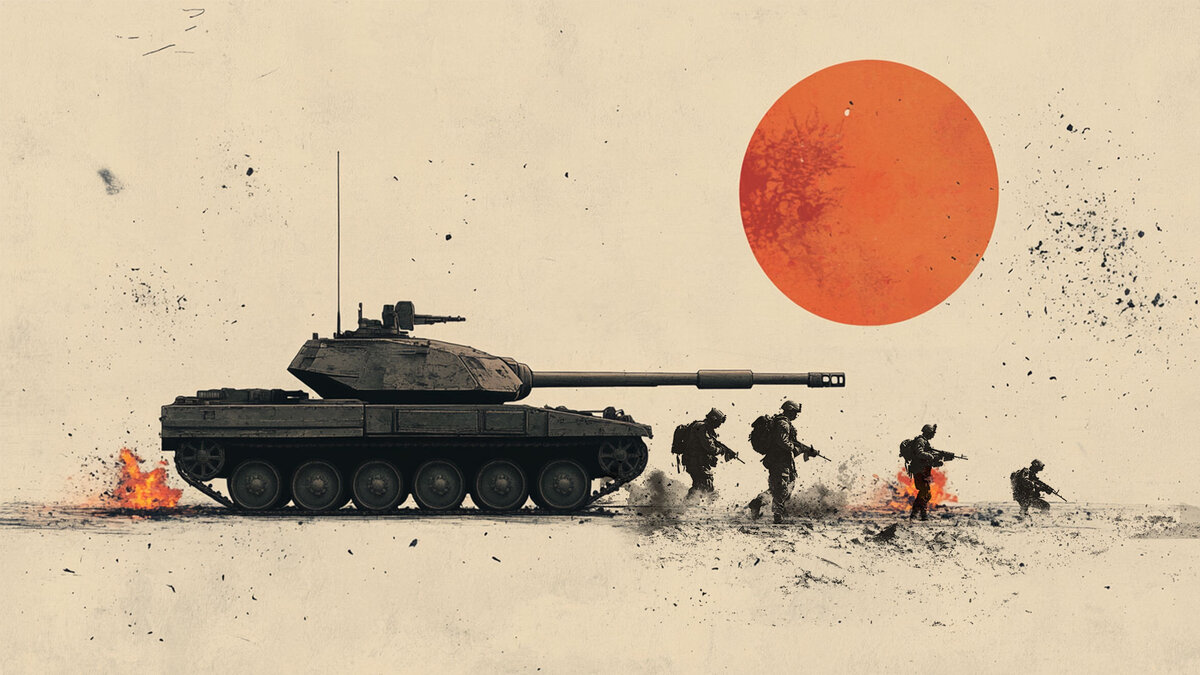

Driving the bus through a war zone
I am not going to pretend this is an FX story today. The EUR/USD take profit at 1.1550 quietly printed while I was asleep, which in this business is the closest thing to a polite exit you will ever get. But the real signal flashing across the macro dashboard is not FX itself. It is rates. And as every old interbank trader knows, FX is usually just the passenger while the rates market grips the steering wheel.
Day two of the Iran conflict has reminded markets that calm in wartime is rarely permanent. Monday briefly looked like the financial equivalent of a ceasefire. Volatility eased, yields pushed higher, and risk assets inhaled as if the storm had already passed. By Tuesday morning, that narrative had been quietly escorted out the door. The pendulum swung back with a more menacing rhythm. Bond markets, which had flirted with normalization, suddenly began behaving like they remembered how geopolitics actually works.
At the front end of the US curve, inflation break-evens have jumped as energy risk seeps back into the macro bloodstream. But further out the curve, inflation expectations remain tolerably anchored. That awkward combination leaves the Federal Reserve in a strange posture. The market still believes the Warsh-style rate cuts will eventually arrive, but the immediate runway for easing has narrowed. In simple terms, the Fed may still cut, but not while oil is busy rewriting the inflation script.
Across the Atlantic, the plot twist is even more interesting. Euro rates, which had been lounging comfortably in the good place of predictable easing expectations, have suddenly been jolted awake. For a moment on Tuesday, markets even flirted with the idea that the European Central Bank could deliver a rate hike in 2026. That single shift in narrative matters far more than it sounds because it strikes directly at the foundation of the carry machine that has quietly powered European fixed income for months.
A sharp observation in this morning’s Ing Bank rates chatter is that the carry trade in European government bonds has been a tidy little factory. Borrow short at stable funding costs. Buy longer-dated bonds. Collect the spread. Add leverage. Repeat. The remarkable tightening in eurozone government bond spreads was never about fiscal miracles or sudden improvements in supply dynamics. It was about funding stability. When the cost of money looks predictable, leverage feels safe. When that predictability disappears, leverage becomes radioactive. And why folks start to yell carry trading is on fire, and I don’t mean in a good way, things can turn bad
Now the market is staring at the possibility that funding costs themselves might move again. If the ECB keeps rate hikes even remotely on the table, the unwind of those carry structures becomes a very real risk. And when carry trades unwind, spreads widen with the same enthusiasm they previously compressed.
Meanwhile, the broader rates landscape remains hostage to the evolving geopolitical script. Short-term bursts of risk aversion could easily drag the US 10-year back below 4 percent if the conflict takes a darker turn. In Europe, that kind of flight to safety would likely pull Bund yields back toward the 2.5 percent region. But zoom out a little further into the second quarter, and the macro gravity shifts again. Higher energy prices feed the inflation narrative. Inflation pushes yields back upward. The US 10-year drifting toward the 4.3 percent zone again would not be surprising, with Bunds gravitating closer to 2.9 percent alongside it.
And somewhere in that messy journey lies the classic war cycle of macro markets. Energy spikes first. Inflation risk follows. Financial conditions tighten. Growth eventually pays the bill.
The volatility regime itself is also changing character. EM carry trades thrive in calm markets. They suffocate in environments that resemble Buckaroo Banzai trading conditions, where headlines move faster than models. That is exactly the world investors are now trying to recalibrate to. Euro rate volatility had been remarkably subdued even while equities were wobbling. That stability is now being questioned, and once volatility leaks into rates it rarely stays contained.
Indeed, carry trades love calm seas. War turns the ocean into white water.
Add to that the sudden collapse in Korean equities, which have now slipped into bear market territory barely days after printing record highs. When moves become that violent, traditional analysis starts to feel like trying to chart an earthquake with a ruler. This is the moment when every trader quietly remembers Burton Malkiel’s old theory about the blindfolded monkey throwing darts at a newspaper. In certain markets, especially war markets, the monkey occasionally has better odds than most traders and, for sure, all strategists.
And that is the real lesson of the moment. War markets are notoriously difficult to trade, not because the macro logic disappears, but because time itself becomes unstable. Narratives change by the hour. Risk premiums expand before analysts can finish their models. The market stops asking where things are and starts asking how long they might last.
In that environment, FX does what it always does. It listens carefully to the rate market and follows the loudest signal. Right now, that signal is not about direction. It is about instability.
Author
Stephen Innes
SPI Asset Management
With more than 25 years of experience, Stephen has a deep-seated knowledge of G10 and Asian currency markets as well as precious metal and oil markets.