What a split Congress means for the US Dollar
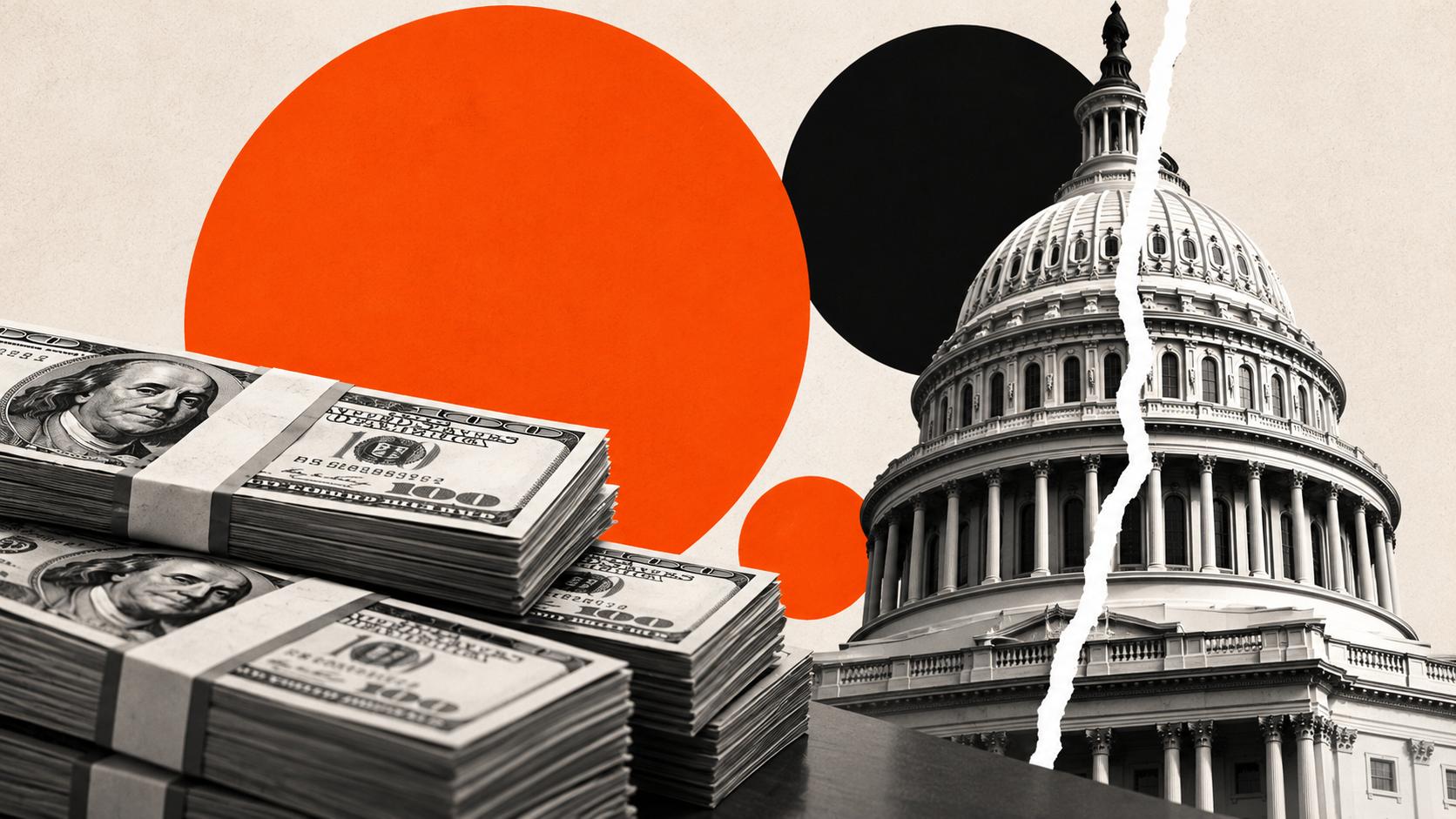
The United States (US) is going to the polls on Tuesday, and much is at stake. The mid-term elections mean the renovation of roughly one-third of the Senate and all 435 of the House seats. Additionally, special elections in Florida and Ohio will be held to fill the seats vacated by US Secretary of State Marco Rubio and Vice President JD Vance.
So far, Congress is under Republican control, but the Democratic Party will need to gain three House seats and four in the Senate to take control of Congress.
The mid-term elections are not only a Congress reshuffle: 36 of the 50 US states will also elect new governors, most of them for a four-year term and a couple for a two-year term.
Finally, mid-term elections are a referendum on the Presidential performance. President Donald Trump heads into the event with a record-low approval rating, not seen for any sitting president since World War II.
Democrats taking over Congress?
As the date approaches, most polls point to a Democratic victory, which means Trump will face multiple challenges to his authority on different fronts. Tariffs and the Oil war are likely to be at the top of the list, but won’t be the only ones. His conduct, government corruption, and even his personal fortune will be under scrutiny.
Of course, inflation and the cost of living under President Trump’s protectionist policies are the main reason Republicans are set to lose Congress. Concerns generally revolve around the costs of energy and food, healthcare, and the possible impact of AI on job security.
What will happen to the US Dollar if Democrats take Congress?
There is still a possibility that Republicans will retain the Senate, but even if the whole Congress turns out Democrat, markets are likely to become more stable: a gridlock, with the White House in the hands of one party and Congress in the hands of the other, usually means no party will be able to pass aggressive policies on any subject. A Democratic victory will likely put a cap on Trump’s massive spending on war and limit his ability to impose tariffs left and right, which, in the end, will help boost the mood.
That means less US Dollar demand amid risk aversion, and a rally in US stocks. Historically, the S&P 500 has rallied in the months that followed a midterm election, at least until year-end. It makes sense as the new representatives will not take their places until January 2027.
The S&P 500 produced positive 12-month returns after 19 out of 19 midterm election cycles from 1950 through 2022, with an average one-year post-midterm return of 15.1%, according to JPMorgan.
Gold could also benefit from this shift in sentiment and regain its poise against the Greenback in risk-off times.
US midterm elections FAQs
The US midterm elections are the federal elections held halfway through a president's four-year term. Voters choose all 435 members of the House of Representatives, about one-third of the Senate, and, in many states, governors and other state and local officials.
Election Day is Tuesday, November 3, 2026. Federal law sets it as the Tuesday after the first Monday in November. Early voting and mail voting are already under way in many states.
They decide which party controls each chamber of Congress for the last two years of President Donald Trump's term. The majority party sets the legislative agenda, chooses committee leaders and, in the Senate, controls confirmations of judges and senior officials.
No. The president is elected every four years; the next presidential election is in November 2028. Midterms are often seen as a referendum on the sitting president's party, which historically tends to lose House seats.
Most analysts expect a modest, short-lived reaction in the US Dollar rather than a lasting trend. A divided Congress is widely seen as the base case and is partly priced in. Treasury yields may react more noticeably to the results. Outcomes that raise expectations of fiscal stimulus tend to lift yields and the US Dollar, while gridlock that limits new spending can pull both lower. Political friction, such as funding or debt-ceiling standoffs, can also briefly lift the Dollar as a safe haven. Over six to twelve months, growth and Federal Reserve policy matter more than the vote.
US stocks have historically been weak before midterms and strong after them. Since 1950, the S&P 500 has been higher 12 months after every midterm election, 19 out of 19, with an average gain of about 15%. Analysts link the pattern to uncertainty fading once results are known. Past performance does not guarantee future returns, and some strategists note that high valuations in 2026 could test the streak.
Markets have often welcomed a divided government because gridlock makes sweeping changes to taxes, spending and regulation less likely. Under a Republican president, the S&P 500 has historically done well in years following midterms that split control of Congress. The risks are funding deadlines, debt-ceiling fights and congressional investigations, which can add short-term volatility.
Author

Valeria Bednarik
FXStreet
Valeria Bednarik was born and lives in Buenos Aires, Argentina. Her passion for math and numbers pushed her into studying economics in her younger years.

















