Weekly focus – Reversal of stagflationary winds

The US-Iran deal and a tech sell-off in equity markets have set the scene this week. The US-Iran deal continued to drive oil prices lower with brent oil declining to USD73 coming from USD120 at the height of the war. The peace is fragile, though, and uncertainty prevails over the opening of the Strait of Hormuz. For now, the decline in oil prices is reversing the stagflationary impulse to the global economy providing a lift to growth and lower inflation in coming months. Especially the euro zone benefits from this relative to the US, just like the euro zone was relatively harder hit by the oil shock. The reversal has also been visible in stock markets where euro stocks have outperformed US stocks lately.
The Euro outperformance was driven by AI jitters coming back to the market this week triggering losses in US tech stocks of around 5%. For now, it looks more like another bump in the road than something bigger. Investment plans in the US are still significant, and stocks are also supported by the US consumer engine that is still running and now gets tailwind from the decline in oil prices.
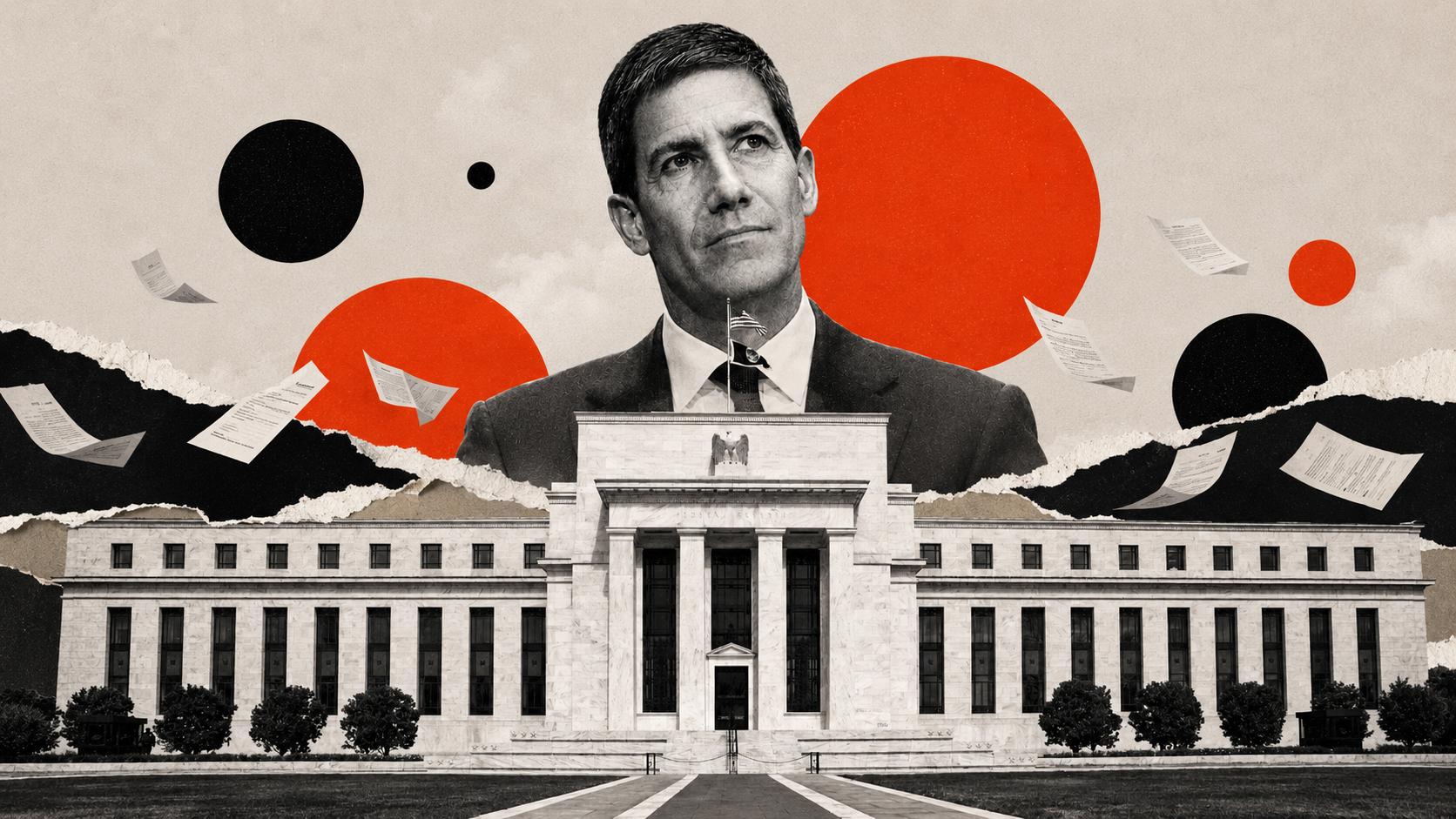
On the data front, US PMIs were stronger than expected with the manufacturing PMI rising from 55.1 to 55.7, the highest level since 2022. Euro PMIs also beat expectations in the composite PMI, which rose from 48.5 to 49.5 lifted by a recovery in the service PMI. The improvement should continue in the coming months as the oil shock fades again. The German Ifo index showed a small increase in the expectations index from 83.9 to 84.1. On the inflation front, US core PCE increased from 3.3% y/y to 3.4% y/y, in line with expectations. It is the highest level in nearly three years, though, and highlights the continued challenge to get US inflation back to the 2% target. The new US Fed Chairman Kevin Warsh stressed at the latest FOMC meeting that the Fed had not met its' target in more than five years indicating the Fed will tighten policy later this year. We look for a hike in December, but risks are skewed towards an earlier hike. Markets price a 50% chance the Fed lifting rates by September. Bond yields have moved lower this week, though, on the back of the decline in oil prices and jitters in the stock markets.
UK is set to have a new prime minister again after Keir Starmer announced his resignation. Nominations for leadership contest in Labour runs from 9-15 July and if no other contestants than Andy Burnham comes forward, he could take office on 17 July. If (which is very likely) Burnham becomes the next PM, the next key thing to watch will be who he chooses for chancellor. Current chancellor Rachel Reeves has been favoured by markets since her focus has been on abiding by fiscal rules. Last time rumours swirled about her departure UK yields rose significantly.
The coming week it is time for US labour market data again with the JOLTS job openings and non-farm payrolls, which is due on a Thursday this time due to national holiday on Friday ahead of 4 July. Preliminary euro CPI for June is released on Wednesday. Over the summer we have the next ECB meeting on 23 July, where we look for unchanged rates. The Fed is due to meet on 29 July where markets price a 25% probability of a hike.
Author

Danske Research Team
Danske Bank A/S
Research is part of Danske Bank Markets and operate as Danske Bank's research department. The department monitors financial markets and economic trends of relevance to Danske Bank Markets and its clients.