Weekly focus – Bond yields hit new highs, equities calm

Global bond yields continued to move higher over the past week, with 10-year US government bond yields rising from 4.95% on Monday to a weekly high of more than 5.20% on Thursday. Bonds also came under pressure in Europe and Japan, where yields reached new cycle highs. However, the increase in yields appears to be driven by more positive growth surprises and higher oil prices rather than concerns about debt sustainability. In recent weeks, yields have generally risen more at the short end of the curve, reflecting expectations of further central bank tightening, which has in turn pushed yields higher across the curve. The USD has also strengthened, while equity markets have remained calm. This suggests that the move is not being driven by weaker confidence in the US, unlike what was seen after Trump's so-called Liberation Day in 2025.
So where did we see the positive growth surprises? The most significant release was US PMI for September, where the composite index rose to its highest level in five years with increases for both manufacturing and services. Euro PMI for September also surprised to the upside, although to a lesser extent. In Asia, South Korean exports for September and Taiwanese export orders for August moved even higher with growth rates above 70% y/y. South Korea and Taiwan are at the epicentre of the AI investment boom providing the majority of chips for data centres and the export data offers fresh signs that the AI investment boom continues to power ahead. News that Meta Muse, an AI personal Agent launched this month, was the most downloaded free app added to positive sentiment as it suggests we are closer to the next phase in the AI cycle where people move from simple chat requests to AI agents.
Energy prices saw another roller coaster week initially falling on signs of new US-Iran talks but rising again after Iran's President signalled a defiant stance at the UN General Assembly throwing cold water on the hopes for a deal soon. Brent oil touched USD108 per barrel on Thursday after moving below USD98 per barrel on Tuesday. The US administration is considering a 90-day ban on diesel exports to lower US diesel prices ahead of the mid-term election in early November adding to the uncertainty in energy market.
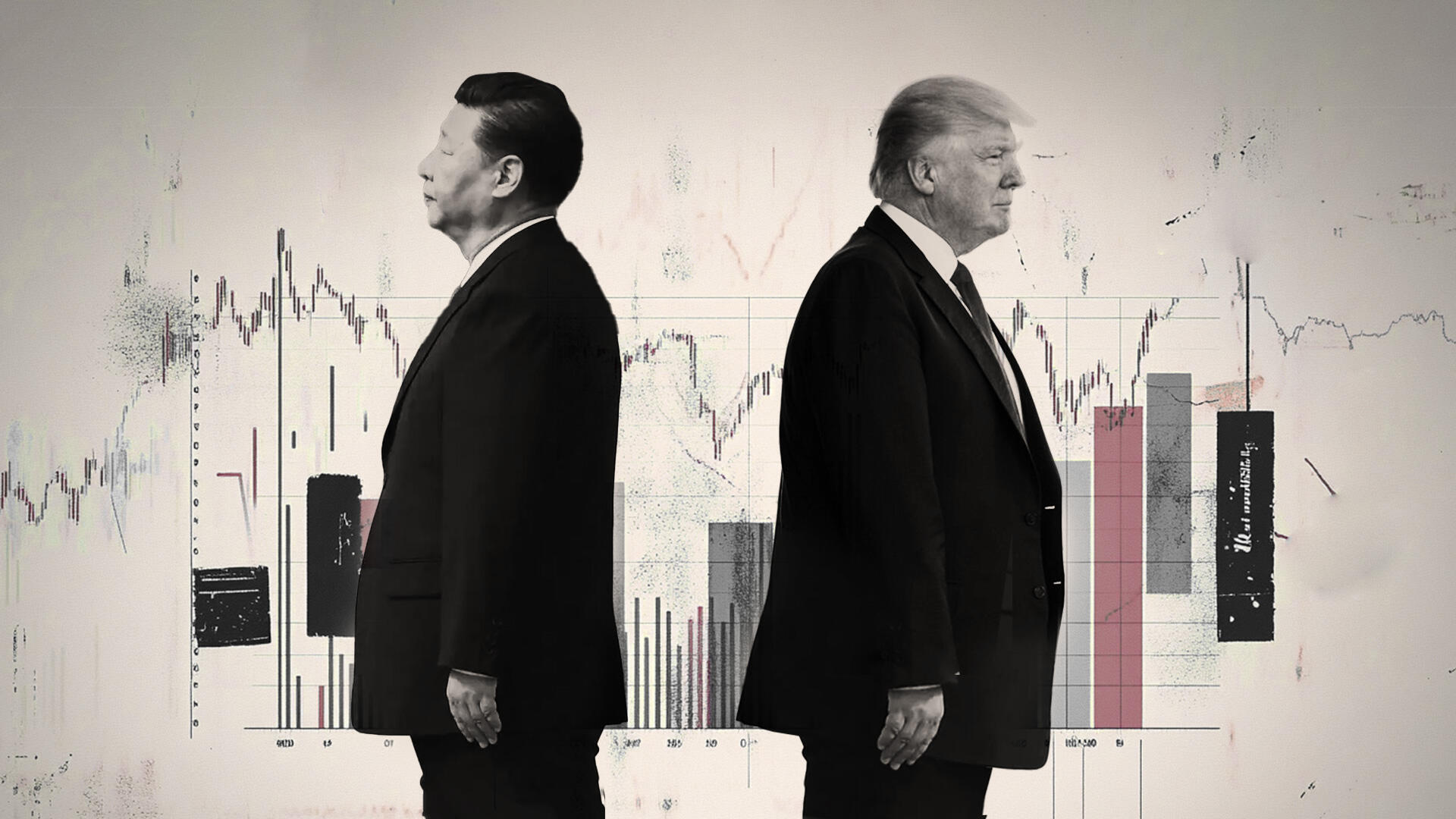
US president Donald Trump and Chinese President Xi Jinping met in Washington with trade, investments, AI, the Middle East and Taiwan on the agenda. At time of writing few real results were revealed apart from an extension of the trade truce by two months to 10 January. Xi also pressed Trump to change US official language on Taiwan from "does not support" independence to "oppose" independence. The two leaders meet again at the APEC Summit in mid-November and G20 Summit in mid-December. In Germany, chancellor Friedrich Merz faced more disastrous state elections with the populist right AfD coming out on top with 44% of the vote in Saxony-Anhalt and 38% in Mecklenburg-Western Pomerania.
Next week focus turns to more US data with the labour market report for September, core PCE inflation and US ISM manufacturing. Euro Flash CPI will provide new input to the euro inflation picture while Chinese PMIs are expected to show decent manufacturing activity but a weak service sector.
Author

Danske Research Team
Danske Bank A/S
Research is part of Danske Bank Markets and operate as Danske Bank's research department. The department monitors financial markets and economic trends of relevance to Danske Bank Markets and its clients.