Trump–Xi summit: Stability, not a breakthrough
Key points
- Stability, not a breakthrough: Trump and Xi extended the trade truce to 10 January 2027, lowering the risk of immediate escalation.
- The hard issues remain open: There were no detailed new tariff cuts or firm commitments on rare earths and AI chips. Taiwan and Iran were discussed without a resolution.
- Markets need proof, not just warm optics: The outcome may support sentiment briefly, but a sustained re-rating of Chinese equities would need concrete policy changes and evidence they are being implemented.
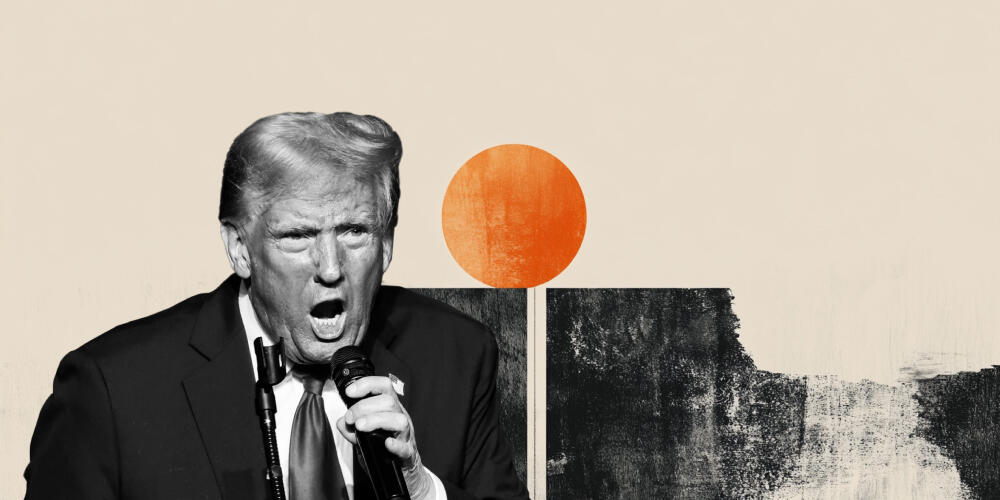
US President Donald Trump and Chinese President Xi Jinping met in Washington on 24 September, just over four months after their talks in Beijing. They extended the US–China trade truce by two months, to 10 January 2027, and signalled that negotiations would continue. But the meeting produced no detailed list of tariff cuts or firm new commitments on rare-earth supplies and advanced chips.
What happened on the five key issues?
1. Tariffs: the pause survived, but the detail did not arrive. Before the meeting, investors were watching for tariff reductions on a defined list of goods. Instead, the main result was a short extension of the existing truce. That is better than a return to escalation, but a two-month window leaves the same question hanging over importers, exporters and their investment plans: what happens after 10 January?
2. Agriculture: existing soybean purchases are on track. US Treasury Secretary Scott Bessent said China was meeting its commitment to buy 25 million tonnes of US soybeans, while purchases of other agricultural products were lagging. The summit did not establish a clear additional purchase commitment. For soybean markets, the next signal will come from actual buying and any reduction in barriers that encourages commercial buyers to return.
3. Rare earths: the supply concern remains. These materials and magnets are important to industries from aerospace to electronics. US officials said Chinese deliveries were falling short of earlier commitments, and no detailed new supply guarantee emerged from the meeting. Investors should watch export licences and shipments. Smoother flows would help manufacturers reliant on Chinese inputs, but could also temper enthusiasm for alternative suppliers whose shares reflect a scarcity premium.
4. AI chips: dialogue has not changed the export rules. Trump and Xi discussed AI cooperation and safety, but announced no easing of restrictions on advanced chips or semiconductor equipment. That leaves a distinction for investors: diplomatic dialogue may reduce the chance of misunderstandings, while specific export licences or rule changes would have a more direct effect on chipmakers’ sales.
5. Taiwan and Iran: both were discussed, neither was resolved. Xi urged Washington to handle Taiwan with caution and pressed for a stronger US stance against Taiwanese independence. There was no reported change in US policy. On Iran, Xi called for a return to negotiations, but no new joint agreement emerged. Taiwan therefore remains a risk for the advanced chip supply chain, while developments around Iran will matter more for oil and inflation than the summit’s diplomatic tone.
Why was the summit short on detail?
The timing may have helped produce a pause. With US midterm elections approaching, a new trade escalation would be politically costly, particularly if it added to pressure on prices or hurt farmers. China also gains from keeping trade flows stable. That gave both leaders a reason to extend the truce, even without settling their larger differences.
But the short extension is also a measure of the distance between them. Soybean purchases and continued talks are easier to deliver than lasting concessions on tariffs, rare earths or advanced chips. The two sides agreed to keep negotiating; they have yet to show that they can narrow the hardest gaps.
What should investors expect now?
The outcome is better than an escalation but weaker than markets had hoped for. Chinese and Hong Kong stocks had risen earlier in the week on hopes of a truce, then slipped on Thursday as expectations of a broader breakthrough cooled. A short pause can support sentiment, but it offers a thin basis for a sustained re-rating of Chinese equities.
The upside risk to this cautious view is that the extension becomes a bridge to specific tariff cuts and more dependable critical-mineral supplies. The downside is that slow implementation turns the January deadline into another confrontation. For now, the summit has reduced near-term tail risk, while leaving the longer-term geopolitical risk premium largely intact.
Author

Saxo Research Team
Saxo Bank
Saxo is an award-winning investment firm trusted by 1,200,000+ clients worldwide. Saxo provides the leading online trading platform connecting investors and traders to global financial markets.