|

Weakest start to the year for gold for twenty years

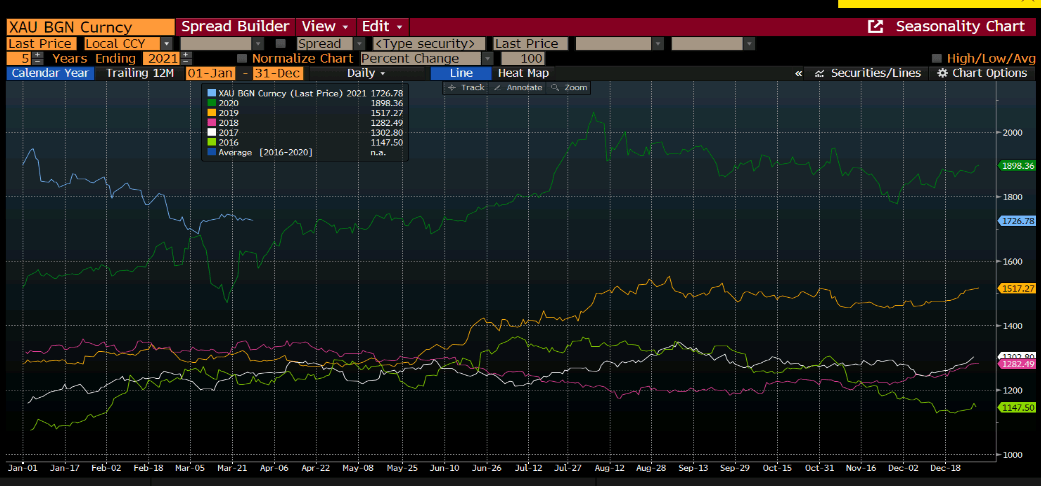
Gold ETF’s are continuing to fall and the Fed is quite happy to see bond yields rise as a reflection of a more optimistic outlook. Rising yields are a natural drag on gold and as the US economy gets going those expectations of better times are only going to increase and put further pressure on gold. This is reflected in the bad start for gold around the start of this year. It has been one of the worse starts for 20 years. Usually, the start of the year is a strong time of demand for gold as the Chinese Lunar New year attracts gold buyers.
XAU

ETF demand just keeps falling

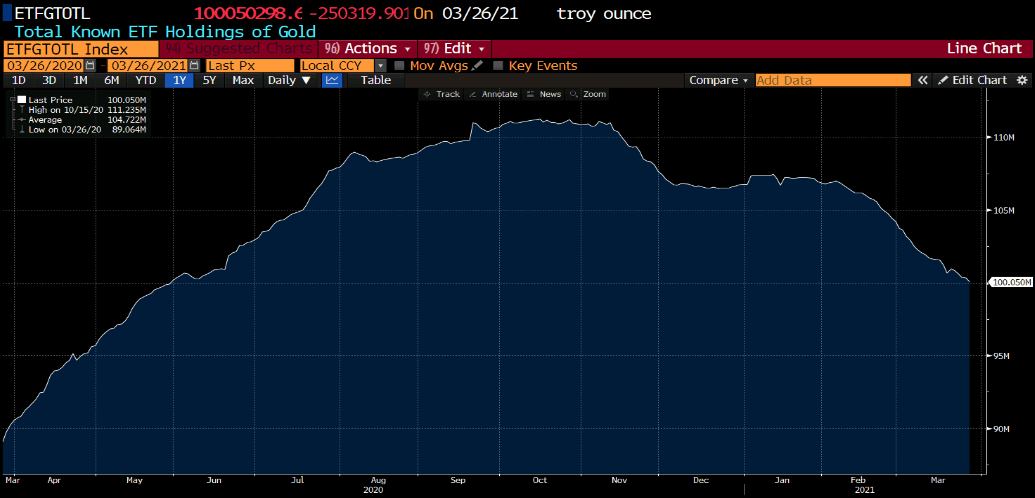
The bad start of the year for gold is also reflected in the falling ETF levels. Remember that gold ETFs tend to trend, funds have a lot to get rid of, and ETFs tend to have a decent impact on spot prices So, falling levels of exchange-traded funds impacts the gold prices. This is also in start contrast to the rise in gold ETFs that we saw last year which was instrumental in supporting gold prices.
ETF

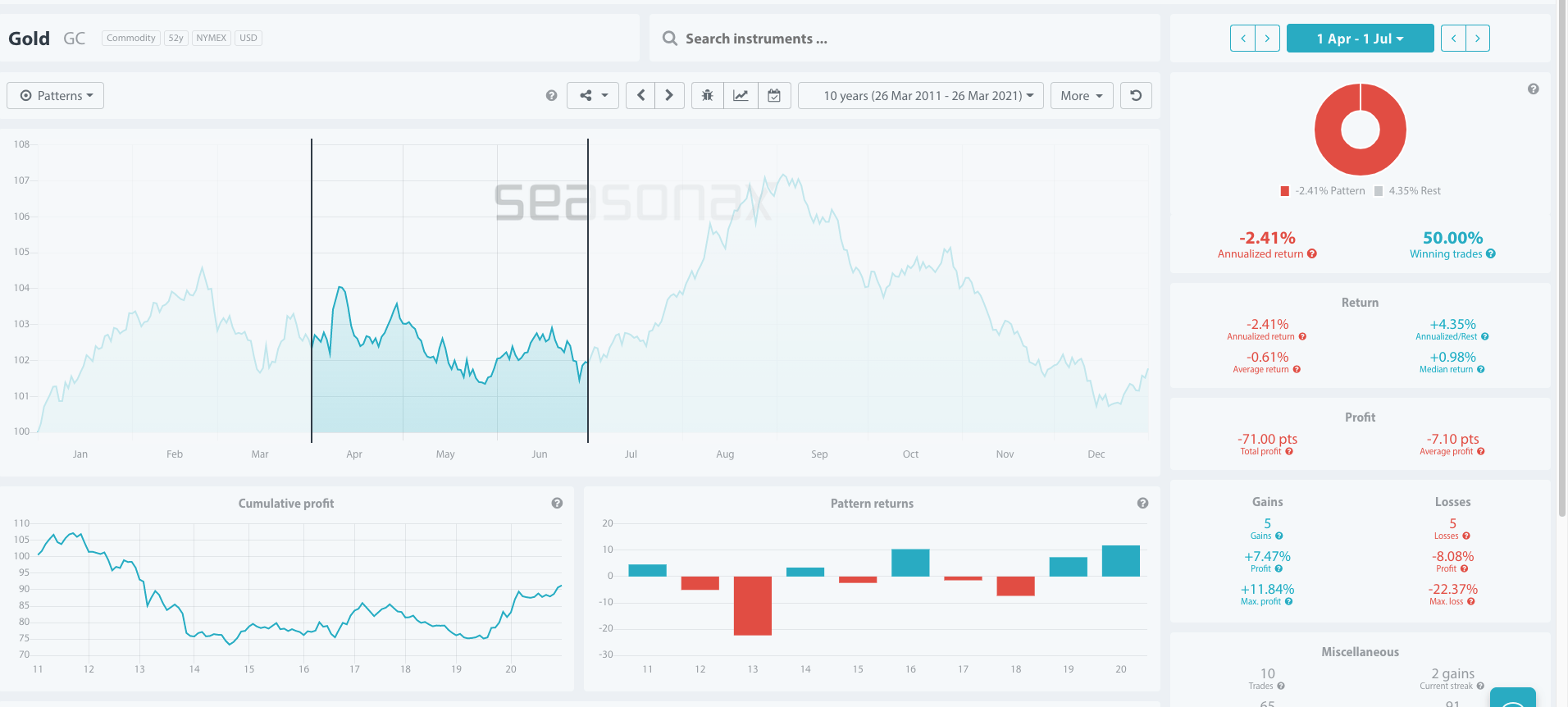
From a seasonal perspective gold’s strong time of the year has passed. In the last 10 years, gold has been flat between April and June, but there are definitely bearish factors above that can weigh on prices. So, taking a balance off factors would mean it is sensible to look for key areas to short gold from as long as these factors remain.
Gold

Learn more about HYCM

Author

Giles Coghlan LLB, Lth, MA

Giles is the chief market analyst for Financial Source. His goal is to help you find simple, high-conviction fundamental trade opportunities. He has regular media presentations being featured in National and International Press.


More from Giles Coghlan LLB, Lth, MA
Share:

Editor's Picks

AUD/USD consolidates above 0.6950 amid risk aversion

AUD/USD consolidates in the Asian session on Thursday, trading just above 0.6950 as traders assess developments in the Middle East crisis. The Pentagon reportedly ordered readiness for potential strikes against Iran. This keeps the geopolitical risk premium in play, which, along with hawkish FOMC Minutes and elevated US bond yields, will likely keep the US Dollar underpinned at the expense of the pair.

USD/JPY slips below 158.00 as USD retreats

USD/JPY returns to the red below 158.00 in the Asian session on Thursday amid speculation that authorities will step in to prop up the Japanese Yen. Meanwhile, the US Dollar eases from near an 18-month high on profit taking, ignoring Wednesday's hawkish FOMC Minutes and the risk of a further escalation of tensions in the Middle East, adding to the pair's pullback.

Gold picks up pace; focus is back to $4,150

Gold regains some composure and climbs back to the vicinity $4,150 mark per troy ounce amid decent gains on Thursday. The yellow metal’s recovery follows some loss of momentum in the US Dollar strength and a mild drop in US Treasury yields in the 10y-30y segment.

Crypto Today: Bitcoin, Ethereum, XRP extend sell-off amid ETF outflows
Bitcoin (BTC) extends its decline below $83,000 on Thursday as heightened selling pressure weighs on the market. Leading altcoins, including Ethereum (ETH) and Ripple (XRP), mirror the sector-wide pullback, with ETH dipping under $2,600 and XRP challenging support at $1.40.
ECB expected to pause in October before hiking rates in December – Reuters poll
The European Central Bank (ECB) is expected to leave interest rates unchanged in October before delivering another increase in December, according to a Reuters poll conducted October 5-8. The survey shows that 70 of 73 economists expect the ECB to hold its deposit rate at 2.50% on October 29, while 64 of 73 anticipate a 25-basis-point (bps) hike in December.
The UK 30-year gilt just hit a 1998 high. Is that good or bad for the British Pound?
The yield on the UK's 30-year government bond, or gilt, went through 6% on October 1 for the first time since early 1998, and on Monday the Pound was at its strongest against the Euro since June 2025. The gilt market's 28-year high is mostly someone else's. Since early May, the 30-year gilt yield has risen about 0.15 of a percentage point and the US 30-year about 0.7.