USD (DXY) pullback: Relief for AUD, EUR, GBP or a bullish setup for new highs?

Navigating key support levels amid macroeconomic uncertainty
Technical analysis: The US Dollar Index (DXY) and Its ripple effects.
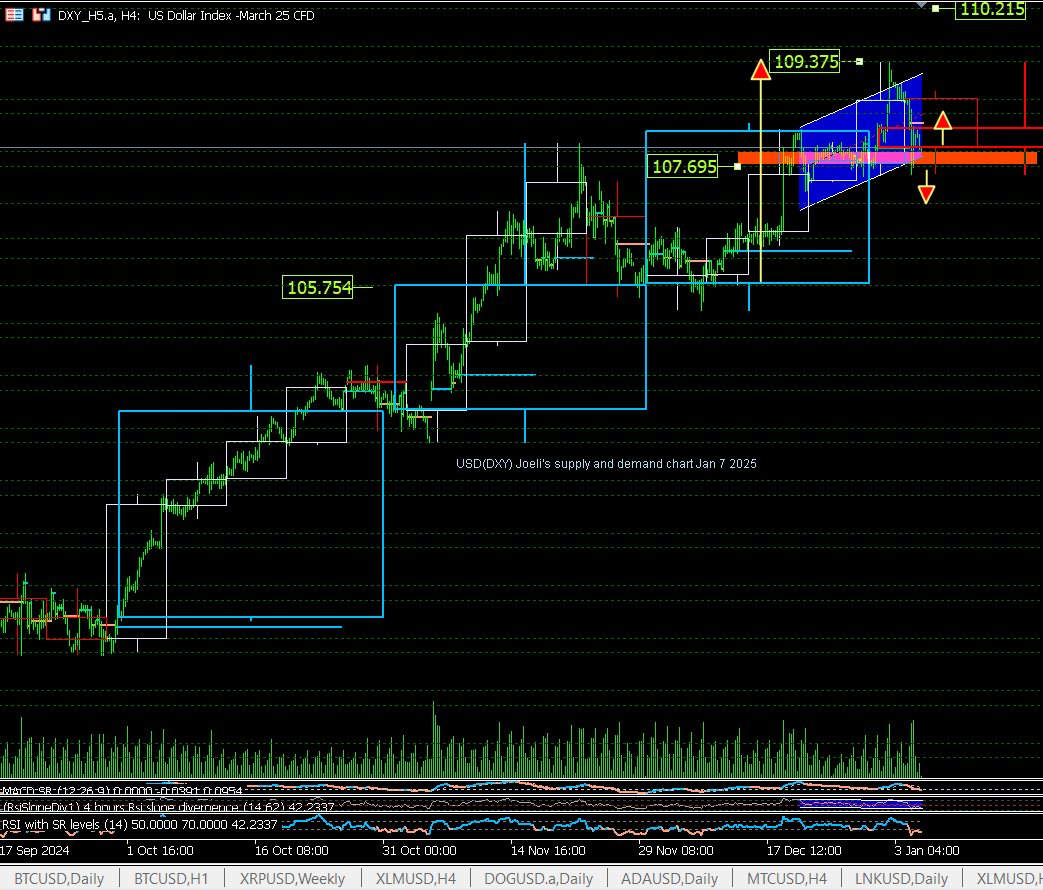
The US Dollar Index (DXY) has experienced a notable pullback, easing off its robust run from 105.75 to 109.37. This decline provides temporary relief for other major currencies, including the Australian dollar (AUD), Euro (EUR), and British pound (GBP), all of which have been under pressure due to dollar strength. However, technical and macroeconomic factors still favour a bullish trajectory for the DXY, provided key support levels are maintained.
Key technical levels
-
Support zone at 107.69:
-
The index recently tested and bounced at the critical support level of 107.69 after pulling back from 109.37.
-
Maintaining this level is pivotal for the continuation of the current bullish trend.
-
-
Resistance levels:
-
Immediate resistance lies at 109.37 (recent high).
-
A breakout above this could target the next significant level at 110.21.
-
-
Bullish continuation scenarios:
-
If the index remains above 107.69, it will likely retest 109.37, potentially extending to 110.21.
-
Momentum Indicators: RSI and MACD will be key to watch for signs of bullish momentum during this rise.
-
-
Bearish breakdown scenarios:
-
A failure to hold above the 107.69 support could trigger a deeper correction, potentially targeting the 106.50 level or below.
-
Moving averages: The position relative to the 50-day and 200-day moving averages will also dictate medium-term direction.
-
Macroeconomic drivers impacting the DXY
Current weakness in the US Dollar:
-
Lower-than-expected US economic data:
-
Recent reports indicate weaker-than-forecasted retail sales and manufacturing output.
-
These data points have contributed to the market's repricing of future interest rate hikes by the Federal Reserve.
-
-
Treasury yields:
-
A slight pullback in US Treasury yields has reduced the attractiveness of the US dollar.
-
-
Federal Reserve policy:
-
The Fed's recent dovish tone and concerns over potential economic slowdown have dampened expectations for aggressive rate hikes, contributing to dollar weakness.
-
Implications for other currencies:
-
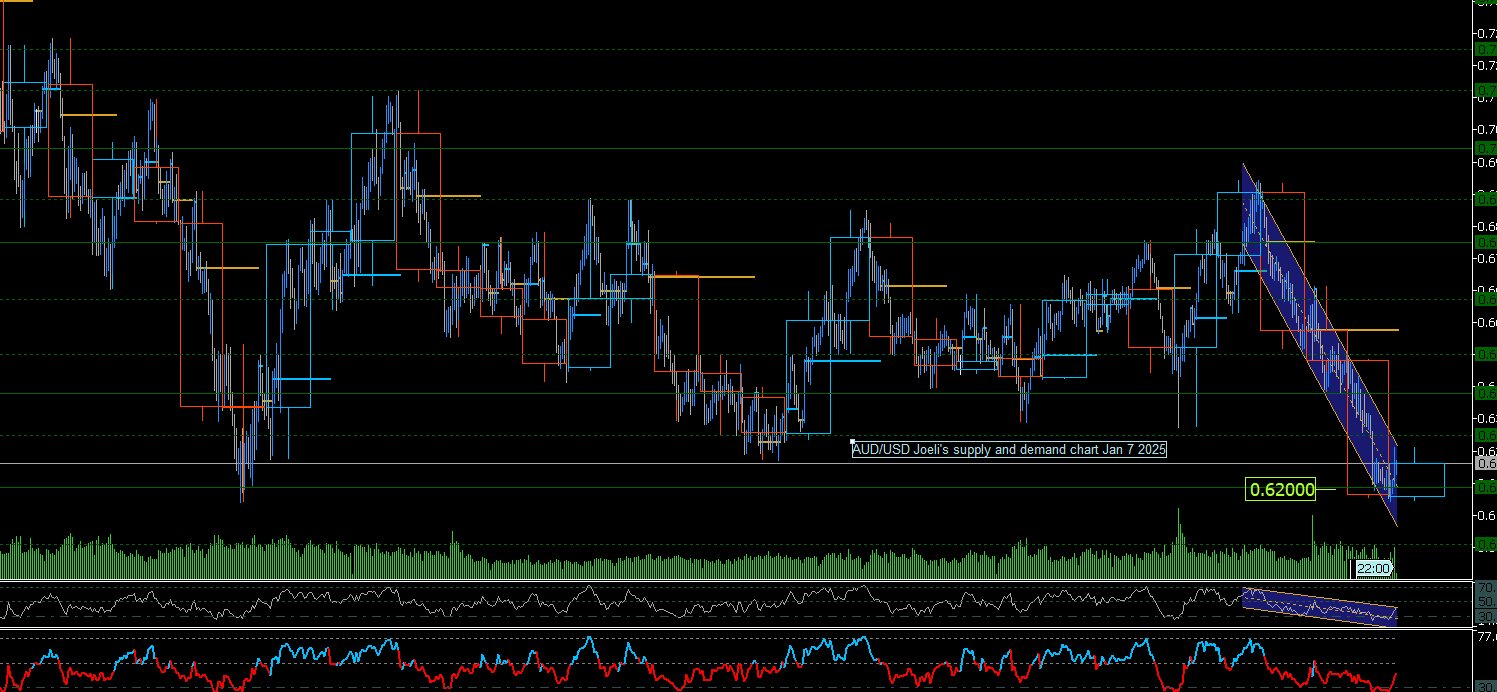
Australian Dollar (AUD): The DXY's pullback has provided some relief to the AUD, which has been struggling with declining export demand, particularly from China.
-
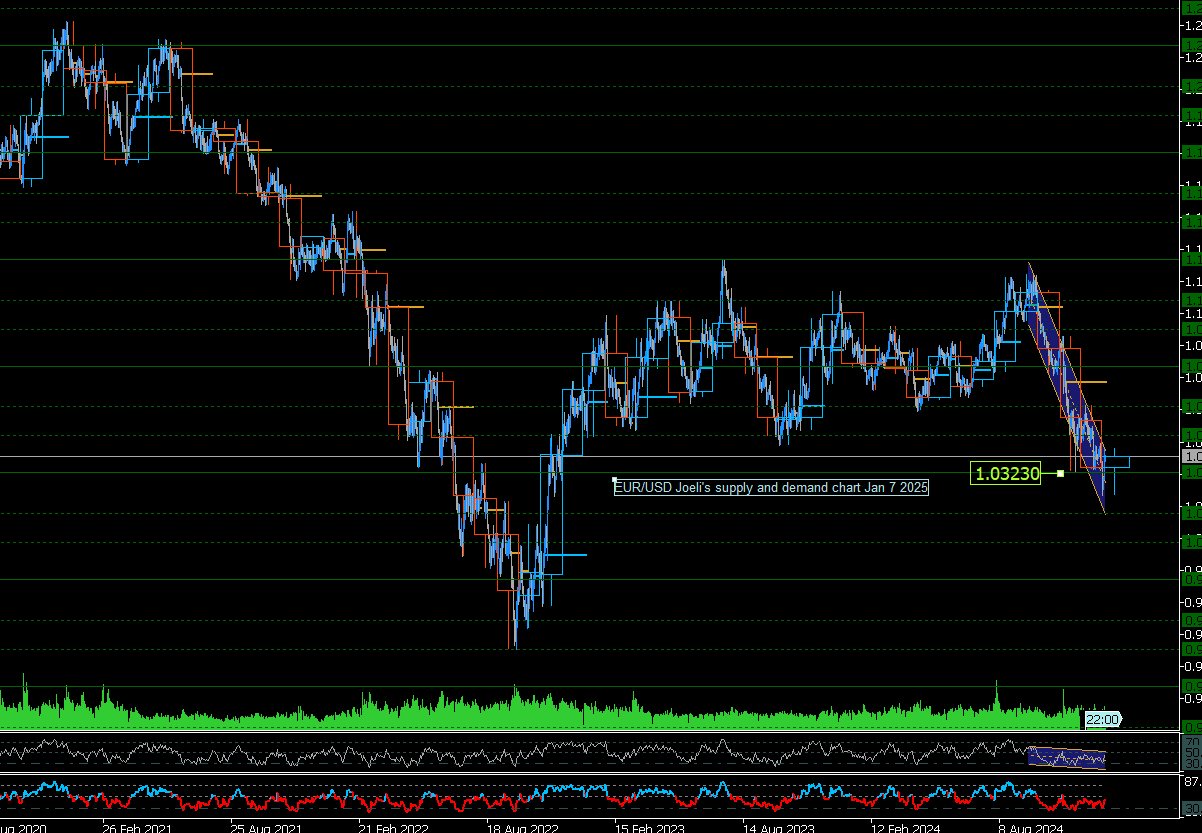
Euro (EUR) and British Pound (GBP): Both currencies have seen temporary recoveries, but structural weaknesses, including recession risks in the Eurozone and stagnant growth in the UK, continue to cap their upside.
Strategic outlook
While the DXY's current pullback may persist in the short term, the overarching bullish trend remains intact. Traders should watch the 107.69 level closely for signs of sustained buying pressure. A failure to hold could shift sentiment more bearish, while a rebound might renew the index's climb toward 110.21.
USD (DXY) key levels and upside targets.
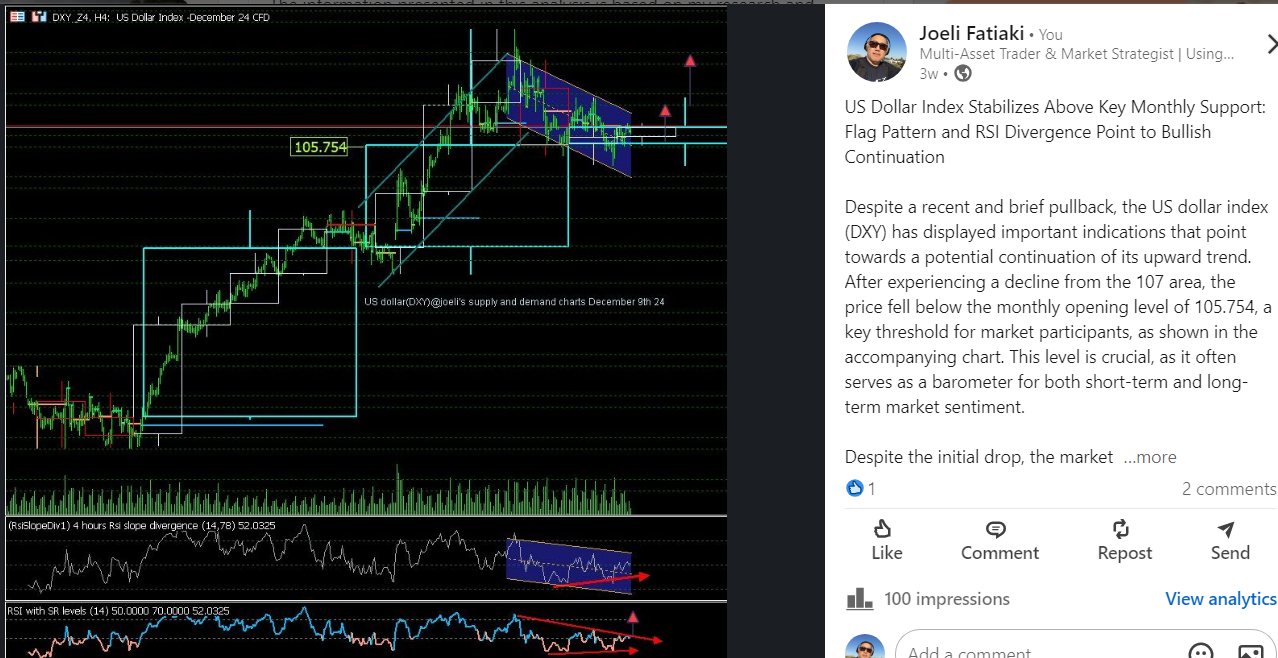
USD (DXY) December 2024 projected reversal at 105.75.
Australian Dollar (AUD/USD) bouncing off at the key support level.
Euro (EUR/USD) bouncing off at the key support level.
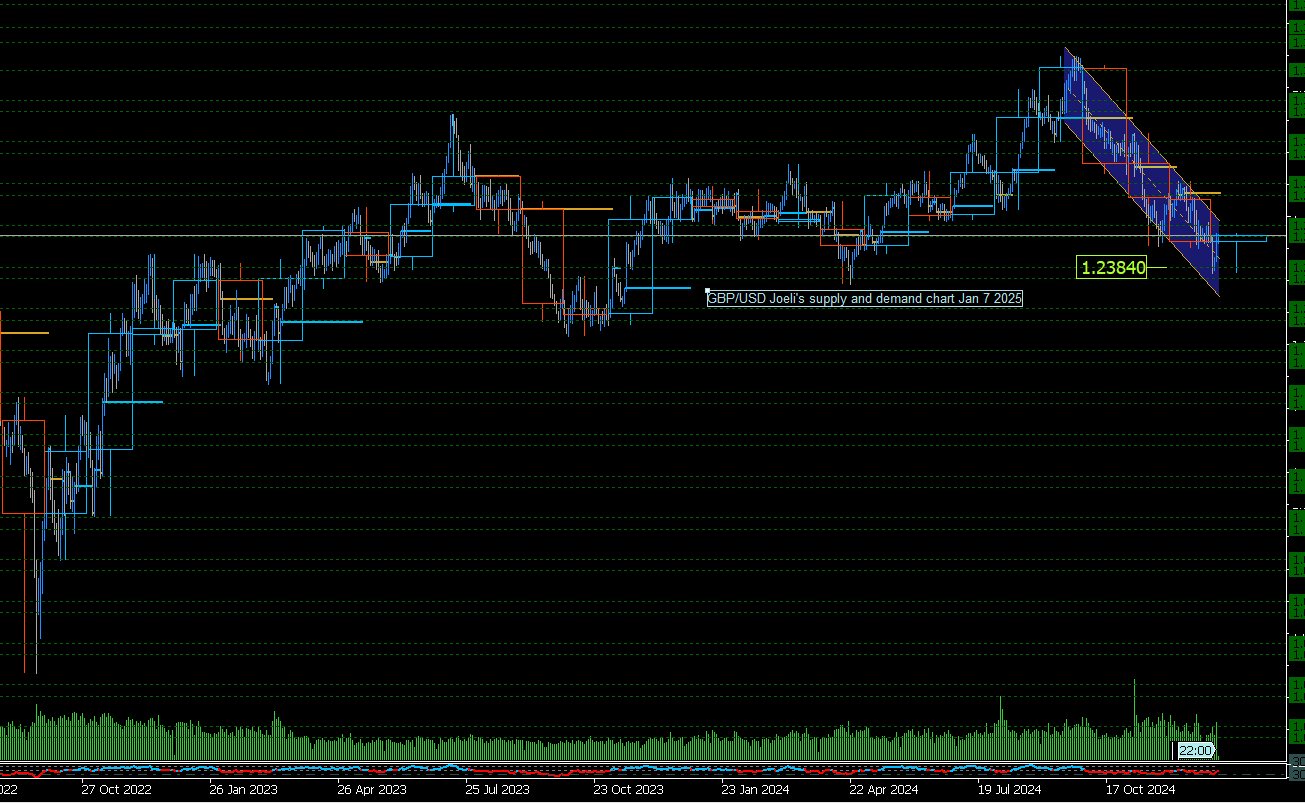
British Pound (GBP/USD) bouncing off at the key support level.
Author

Denis Joeli Fatiaki
Independent Analyst
Denis Joeli Fatiaki possesses over a decade of extensive experience as a multi-asset trader and Market Strategist.

















