|

USD/CAD: Strong recovery approaches key Fibonacci resistance

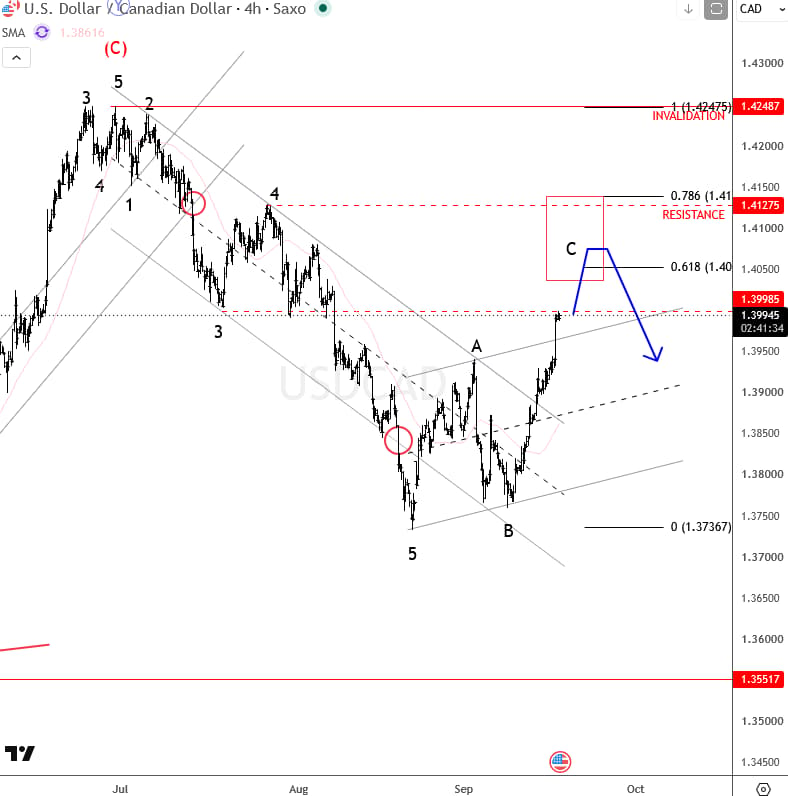
USD/CAD is recovering quite aggressively as crude oil pulls back, while the US Dollar has broken significantly higher after the Fed raised rates. Looking at the price action, we are clearly dealing with a stronger recovery here, but it could still be a counter-trend move within the broader USDCAD structure.
usdcad4h
USDCAD 4H Chart

However, with the US Dollar strengthening across the board, this recovery could extend a bit further. We are watching the 61.8% Fibonacci resistance at 1.4052, followed by 1.4127. This is an important resistance zone where we would expect the upside to start slowing down.

A new reversal back into the channel, followed by a break below 1.3900, would provide stronger confirmation that USDCAD is turning lower again. The near-term invalidation level based on the updated wave structure is at 1.4248.

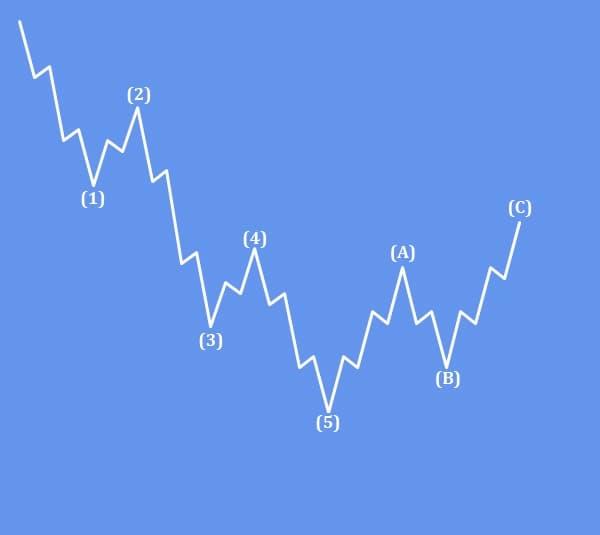
From a basic Elliott Wave perspective, a bearish structure typically develops as a five-wave decline, labeled waves 1, 2, 3, 4, and 5. Waves 1, 3, and 5 move in the direction of the larger trend, while waves 2 and 4 are corrective rebounds.
bearish setup
Basic Elliott Wave Bearish Setup Formation

Once the five-wave decline is completed, the market can enter an ABC correction in the opposite direction. This three-wave recovery is typically labeled waves A, B, and C and can retrace part of the previous five-wave decline before the larger bearish trend resumes.


Get Full Access To Our Premium Elliott Wave Analysis For 14 Days. Click here.

Author

Gregor Horvat

Gregor Horvat

Wavetraders

Experience Grega is based in Slovenia and has been in the Forex market since 2003.

More from Gregor Horvat
Share:

Editor's Picks

AUD/USD gains traction near  0.7100 as the post-Fed USD rally pauses

AUD/USD finds fresh buyers and retakes 0.7100 in the Asian session on Thursday as the US Dollar pauses its hawkish Fed-inspired rally to its highest level since late July. However, RBA rate-hike bets and hopes for US-Iran diplomatic efforts lift risk sentiment and support the risk-sensitive Australian Dollar and the major.

USD/JPY reverses a dip below 156.00 as focus shifts to BoJ

USD/JPY is reversing a brief dip below 156.00 in the Asian session on Thursday, looking to snap a three-day winning streak to a nearly two-week top set the previous day. The US Dollar pauses following the post-Fed rally to seven-week highs, while a more hawkish repricing of the BoJ's policy normalization path supports the Japanese Yen. This keeps the pair's upside limited, with the focus now shifting to the BoJ policy decision due on Friday.

Gold extends fragile recovery from multi-week low as softer bond yields weigh on USD

Gold builds on its intraday ascent through the first half of the European session, and recovers further from a near six-week low, touched the previous day. A modest pullback in US Treasury bond yields prompts some US Dollar profit-taking, which is seen offering support to the commodity. However, the Federal Reserve's hawkish outlook, along with escalating Middle East tensions, should limit deeper losses for the safe-haven Greenback and cap the non-yielding bullion.

Ripple, Cardano, Dogecoin: Downside risk looms amid market uncertainties
Top altcoins, including Ripple (XRP), Cardano (ADA), and Dogecoin (DOGE), face imminent downside risk as prevailing upside momentum recedes toward neutral.
BoE expected to hold interest rate at 3.75%
The Bank of England (BoE) is set to reveal its latest monetary policy decision on Thursday, coinciding with its sixth rate-setting meeting of 2026. Market analysts expect the central bank to keep its benchmark interest rate steady at 3.75%, which should be its sixth hold in a row following December’s 25-bps rate cut.
How Japan became the World's Banker and why that era may be ending

Japan's ultra-low interest rates helped finance trillions of dollars in global investments for more than a decade, making the Japanese Yen one of the world’s cheapest sources of funding. With the Bank of Japan expected to tighten policy again this week, that advantage may be entering a new phase. While most major economies raised interest rates, Japan remained the world's outlier.