US Tariff confusion cannot disrupt the market rally
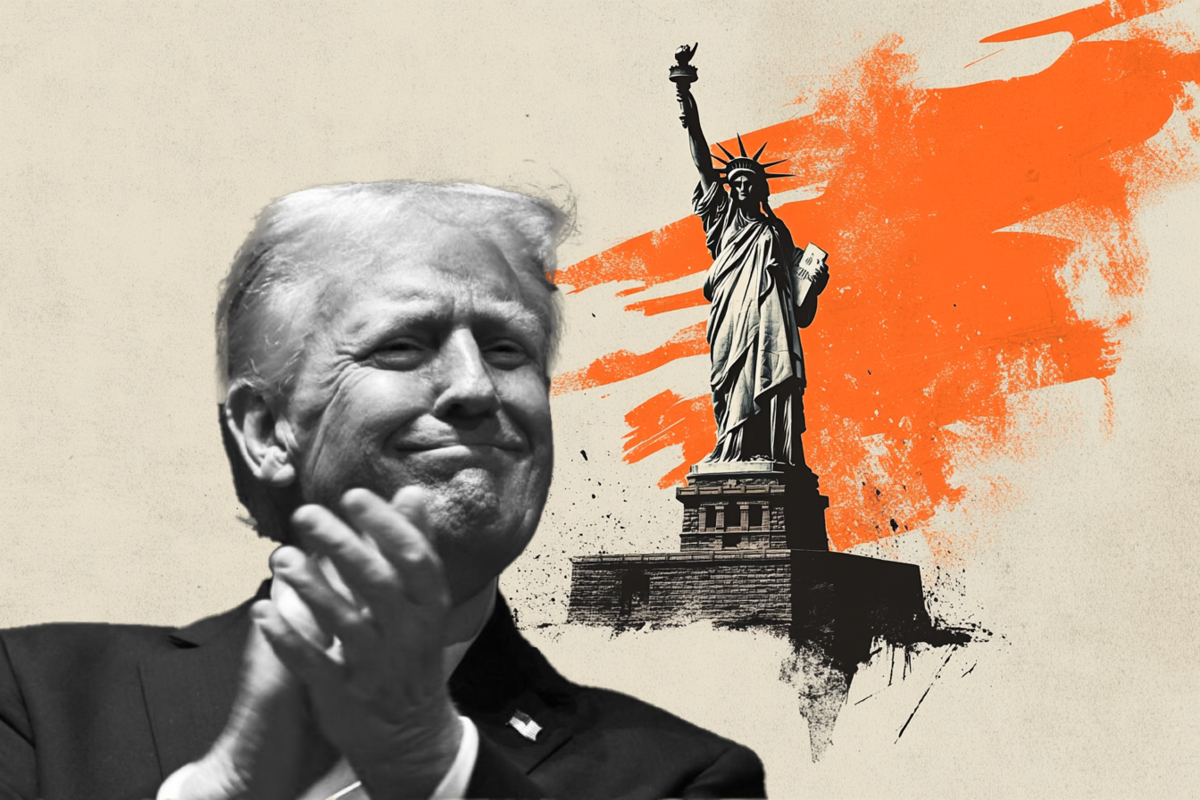

Global stocks rallied sharply on Thursday, with strong gains for the Eurostoxx index, the Dax, the Nasdaq and the S&P 500, which closed very close to last month’s record high for the US index. Futures suggest that equity indices will end the week on a high. European and US indices are expected to open higher today, and shares in China are also higher as its tech sector continues to extend its recent rally. The dollar fell across the board and the dollar index is at its lowest level of the year so far, as risk sentiment ignores the political noise and President Trump’s threats on reciprocal tariffs and instead focuses on earnings data and the prospect of a resolution to the war in Ukraine.
Tariffs on hold for now
The market was waiting for a tariff announcement on Thursday that did not come. Tariffs are still on Trump’s agenda, however, rather than smother the global economy with blanket tariffs, The President has signed a directive to get the US Trade Representative to impose tariffs on a country- by – country basis. This is extremely complicated to administer, and reports suggest that the first reciprocal tariffs could be implemented on April 1st. New tariffs could go beyond just reciprocal tariffs. For example, they may also include non-tariff barriers like what the Americans consider to be unfair national subsidies, VAT, regulation and exchange rates. The list goes on, from a market perspective, how are traders meant to price this in?
The short answer to this question is that they are unwilling to do so. This is evident not only at the index level – with decent rallies for most of the global blue-chip indices on Thursday, bar the FTSE 100, but also the lack of concern in bond markets: US Treasuries and global bonds rallied on Thursday, and the Vix, Wall Street’s fear index, remains below the 12-month average of 15.93. Is the market being too complacent? Do traders believe that reciprocal tariffs could take much longer to plan and won’t be ready for April? Or is the market focusing on fundamentals rather than politics? We think that it is a mixture of all three.
The Euro catches a bid
Right now, the FX market is not pricing in a negative outcome from any prospective tariffs. Emerging markets, the EU and the UK are all in the firing line for the new expanded reciprocal tariffs, yet their currencies have mostly rallied vs. the USD since the start of the month. For example, EUR/USD is at its highest level for 3 weeks and continues to extend gains above its 50-day sma at $1.0391. The lack of concern about the latest tariffs from Trump, suggests that the FX market continues to think that President Trump is posturing, and will tone down the tariffs at the last minute.
The reaction in US asset prices is interesting. The President has tied raising tariffs to funding tax cuts, and potentially a cut to the corporation tax. Many economists are skeptical that the money raised from tariffs will cover the cost of tax cuts, but the market may not be focusing on this level of detail right now. Instead, the prospect of tax cuts might be driving US stocks.
The stock market outlook: Eurostoxx 50 reaches 25 year high
Right now, the rally in stocks does not seem to be unsustainable and is instead driven by strong fundamentals and earnings data. For example, European banks have powered the Eurostoxx 50 to a new all time closing high, nearly 25 years after the last one in 2000. The top performing stocks on the Eurostoxx 50 index includes Banco Santander, Ferrari and Siemens. This compares to the S&P 500, where the best performing stock so far this month is Super Micro Computer, which is the one of the largest holders of Bitcoin and is seen as a stock market proxy for crypto. This looks more like animal spirits compared to Europe, which suggests that the rally in US stocks may not be as solid as the rally in European stocks so far this month. However, we would note that the implied correlation of the top 50 stocks on the S&P 500 is extremely low, which means that a decline in one US stock, even if it is a huge company, is unlikely to drag down the entire US blue chip index.
The Fundamental view
Ahead on Friday, the market will be on tariff watch, but there is also economic data to consider. There is nothing on the ticket for the UK, however, the recent bout of strength in the euro will face a test with the first reading of Q4 GDP for the currency bloc. The market expects flat growth, and a 0.9% expansion YoY. Any deviation from expectations is likely to trigger a market reaction, especially in the FX market.
Economic data has had a significant impact on financial markets this week, and US retail sales will be watched closely today. The market is expecting a decent 0.3% increase in core retail sales ex autos and gas, for January, which could suggest a strong consumer, which may boost risk sentiment as we move to the end of the week.
The biggest shift in market sentiment this week has been a reduction in Fed rate cut expectations. There is now just over one rate cut expected this year. There is a 37% chance of a cut by the Federal Reserve for December, however, there is now a 2% chance of a rate hike this year, according to the CME Fedwatch tool. Expectations for a rate hike from the Fed this year are small, but they are worth watching, especially if we see more hot inflation prints later this year.
Author
Kathleen Brooks
XTB UK
Kathleen has nearly 15 years’ experience working with some of the leading retail trading and investment companies in the City of London.