US: Decisive Trump victory raises medium-term economic risks

Donald Trump’s emphatic victory in the US presidential elections is a net negative for US risks in the medium run because it raises financial risk, although nearer-term implications for the economy are more mixed.
The second Trump administration is likely to push pro-business policies such as extending 2017 tax cuts and boosting spending, which would support American and global economic growth – with possibly favourable consequences for the economic outlook and debt issuance near term. Trump will also likely put pressure on the Federal Reserve to further reduce interest rates and pursue deregulation of the financial and other sectors.
However, a second Trump presidency carries the danger of polarising US politics even more, especially if the Republicans retain control of the House of Representatives – at the time of writing, the outcome hangs in the balance – having already retaken control of the Senate. A Republican-held Congress would give Trump freer rein in policy making.
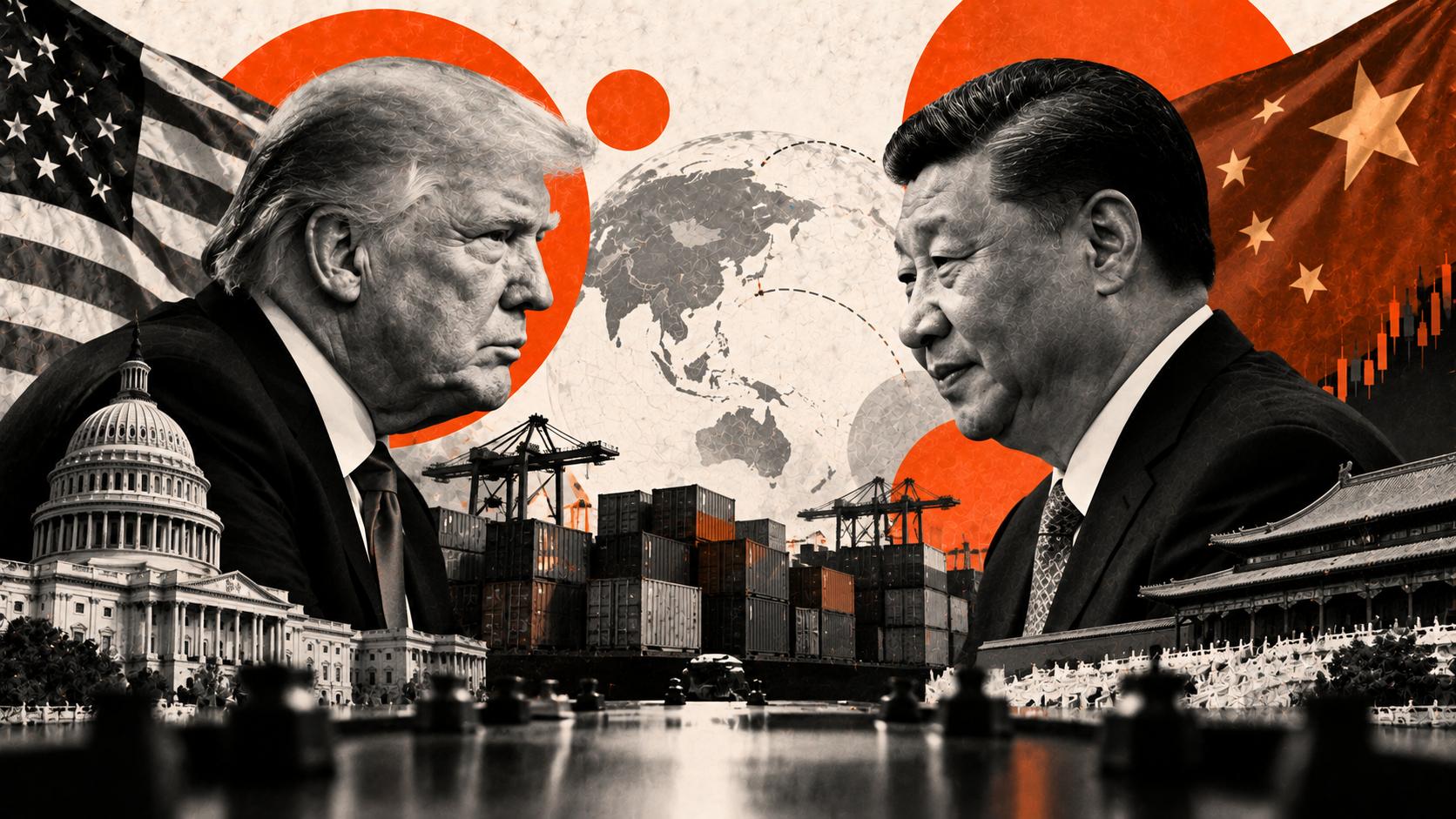
A particular concern is trade. Trump’s campaign pitches of a hypothetical 10% across-the-board tariff on imports and 60% or above on those from China enhance the likelihood of trade conflicts and could make for a rise in credit premiums, notably in emerging markets. Likewise, the possibility that the US might halt funding for Ukraine’s defence against Russia and unwind alliances and involvement in multilateral institutions exacerbates geopolitical risk.
In terms of domestic economic policy, Trump’s plans are generally reflationary and may require tighter Federal Reserve monetary policy and higher global interest rates than otherwise needed. This could create extra economic volatility and financial-system risk medium run despite any near-term boost for the economy.
The election raises risk for the US rating
For the US sovereign credit outlook (rated AA by Scope Ratings), the election results raise risks. Even if Republicans regain simple majorities of both chambers of Congress, there is nevertheless likely to be a battle early in 2025 around lifting or suspending the debt ceiling as Republicans lack a filibuster-proof Senate majority amid Trump’s plans for extra federal spending and tax cuts.
Trump’s expansionary fiscal agenda, with his policies anticipated to add up to USD 4.1trn to USD 5.8trn to the budget deficit over the coming 10 years, would further weaken fiscal metrics. The implementation of more-protectionist and anti-immigration policies suggest longer-run brakes on economic growth, and likely higher inflation.
Finally, there is risk under the second Trump presidency of further weakening of US institutions, such as of the rule of law, further politicisation of the judiciary, challenges to the independence of the Federal Reserve, and acceleration of a gradual erosion of the dollar’s reserve-currency status.
Author

Dennis Shen
Scope Ratings
Dennis Shen is Chair of the Macroeconomic Council and Lead Global Economist of Scope Ratings, the European rating agency, based in Berlin, Germany.