US-China trade truce only emphasizes timeless investing truths
Key points
- Markets may cheer headlines, but fundamentals still rule: Tone shifts like the US-China thaw can spark rallies, but long-term returns are built on business quality, pricing power, and earnings durability.
- Diversification and resilience beat prediction: You don’t need to time the market—you need to be prepared. Broad exposure and strong companies help portfolios absorb shocks like tariffs.
- Thematic trends outlast policy noise: Digitalisation, clean energy, and healthcare innovation continue to drive structural growth, even as geopolitics ebb and flow.
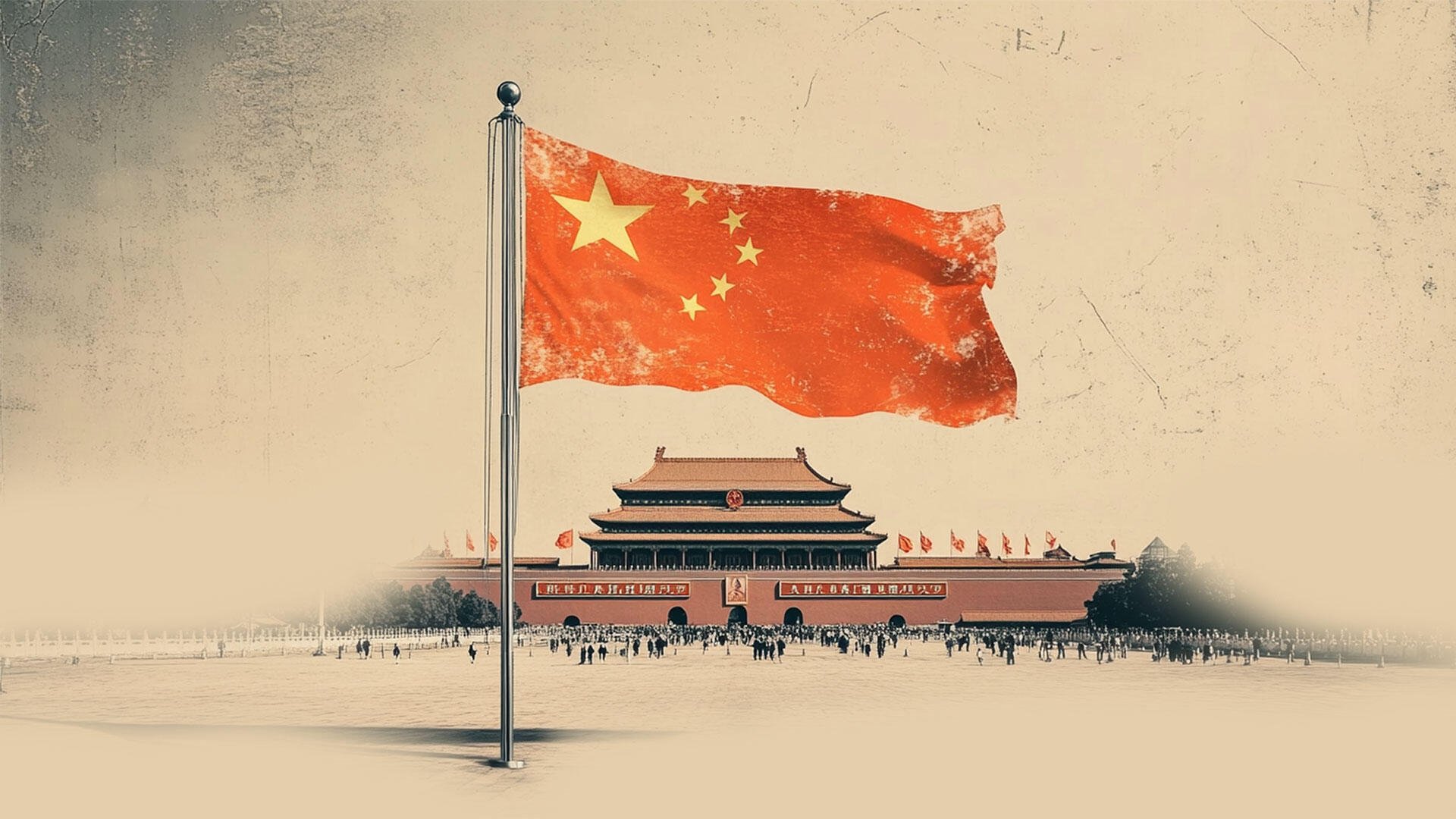
Markets roared back to life as the US and China hit pause on their escalating trade war, with both sides emphasizing mutual respect and dignity. But it wasn’t the fine print that moved markets—it was the mood shift. Investors rushed back into risk assets, betting that the worst might be behind us.
Yet for long-term investors, the real question isn't what just happened—it's what really changes from here. And the answer, as always, lies not in headlines, but in the principles that stand the test of time.
Headlines can move markets — But fundamentals drive returns
The market’s euphoric reaction wasn’t due to new economic data or improved earnings—it was about tone. The shift from confrontation to cooperation gave risk assets a lift. But for long-term investors, tone is fleeting. Fundamentals—like business quality, cash flows, and structural trends—are what matter over time.
What to do: Stay focused on the long-term outlook of your holdings, not short-term political optics.
Relief rallies are for the positioned, not the reactive
This week’s rally was a reward for investors already in the market. Many institutions were caught flat-footed, having stayed neutral on US equities. That meant they missed the pop—and may now chase any dips.
Lesson: You don’t need to predict the catalyst. You just need to be invested when it arrives.
Policy surprises will keep coming — Build around them, not on them
The trade truce may hold for now, but the tariffs announced—many still around 30%—are not disappearing. These are “sticky” policies that can reshape supply chains, corporate margins, and even inflation. In fact, the market is now preparing for a second shock: weaker economic and earnings data in Q3 as tariffs bite.
Strategy: Use broad diversification to insulate your portfolio from policy swings. Relying too heavily on one region or sector could expose you to avoidable volatility.
Markets are forward-looking, but they can misjudge timing
The muted market reaction the day after the truce suggests investors may be digesting the idea that “the best news may already be out.” But buy-and-hold investing isn’t about perfect timing. It’s about being on the right side of long-term trends—digital transformation, clean energy, healthcare innovation, or global consumer growth.
Approach: Identify long-term themes that will persist regardless of political noise and stick with quality names in those spaces.
Time in the market still wins over timing the market
From COVID to banking crises to tariffs, the market has faced countless shocks over the last five years. And yet, the investors who stayed invested—especially in diversified portfolios of quality assets—have outperformed those who tried to time every twist and turn.
Insight: Use moments of uncertainty not to exit, but to review your allocations, rebalance, or dollar-cost average into long-term positions.
Putting principles into action
Even as markets digest the rally, now’s the time to align your portfolio with what really endures: quality, pricing power, and long-term resilience. Here’s how.
Focus on quality companies with pricing power
Tariffs act like a tax on global business—raising input costs, disrupting supply chains, and pressuring margins, especially for companies exposed to cross-border trade.
- Strong balance sheets (low debt, healthy cash reserves, operational flexibility) allow companies to absorb these shocks without compromising on R&D, talent, or long-term strategy.
- Pricing power enables firms to pass higher costs onto customers without eroding demand—preserving profitability even in inflationary or tariff-heavy environments.
Diversify globally to avoid policy overload
Trade tensions are fluid and often unpredictable. Geopolitical risks, tariffs, and regulatory changes can vary significantly across regions.
A globally diversified portfolio reduces dependence on any single country’s policy outcomes.
- Europe's 3Is—Infrastructure, Innovation, and Independence—offer a strong structural foundation.
- China’s tech and automation push continues to reshape productivity and innovation trends in Asia.
Prepare for choppy earnings with defensive income
As tariff-related costs filter into corporate earnings, especially into Q3, more volatility may lie ahead.
- Defensive sectors like utilities and consumer staples offer more stable cash flows.
- Dividend growth strategies can help balance growth with income, supporting portfolio stability.
Ride structural megatrends
Trade disputes may come and go, but long-term transformations are here to stay. The world continues to digitize, age, and decarbonize—regardless of tariff headlines.
- Exposure to themes like AI, clean energy, and healthcare can position portfolios for sustained growth beyond short-term disruptions.
Read the original analysis: US-China trade truce only emphasizes timeless investing truths
Author

Saxo Research Team
Saxo Bank
Saxo is an award-winning investment firm trusted by 1,200,000+ clients worldwide. Saxo provides the leading online trading platform connecting investors and traders to global financial markets.

















