US and China hit snooze on the next trade war round
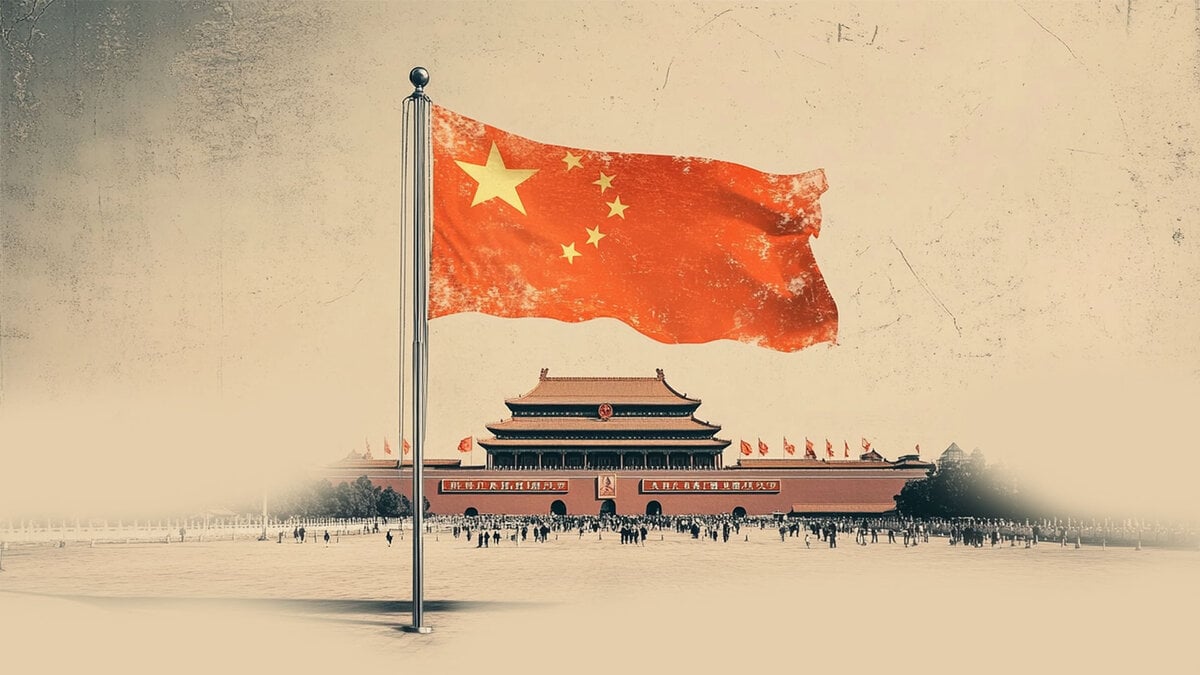

The US–China tariff game just bought itself another 90 days on the clock, and while that keeps the sledgehammer off the table for now, it’s not the kind of truce that sends champagne corks flying. Tariffs stay locked where they are until November, a welcome pause after August’s slugfest of reciprocal hikes. But the reality is the playing field hasn’t been levelled — just tilted a little less steeply against Beijing after Washington quietly threw a few sandbags in the path of other exporters, too.
The extension isn’t about goodwill; it’s about keeping oxygen in the room for deals that matter. Chip controls remain the sharpest US weapon, throttling China’s tech ambitions, but last week’s “you can sell, but we take 15%” revenue-sharing model for AI-grade semiconductors was a crack in the wall. Cut China off entirely and you cut into your own profits just when the AI boom is minting money.
From the Chinese side, rare earths are still the ace up the sleeve. Exports doubled from May to June after tighter controls, proof that Beijing can squeeze or release the supply line whenever it suits them. That’s not just a bargaining chip — it’s a loaded gun on the negotiating table. Agriculture is back in the spotlight too, with Washington pushing for China to quadruple soybean purchases, a move with odds about as high as quadrupling your stack in the first few hands of a poker game.
The fentanyl crackdown that was the headline justification for this year’s early tariff hikes has delivered little visible progress. It’s still officially part of the talks, but traders know the real price action sits in chips, minerals, and agricultural flows.
Washington’s “line” policy now formalizes the split — above the line, no top-shelf tech for China; below it, let’s make money. It’s compartmentalized decoupling: cold war in one hand, cash register in the other. The optics preserve the rivalry, but the pragmatism leaves space for mutually profitable trade where it counts.
The truce was inevitable. The spring proved that cranking tariffs high enough inflicts damage on both sides. Nobody wants another self-inflicted limp into year-end. A rolling extension keeps Armageddon off the calendar, lets both sides posture for domestic audiences, and gives traders one less tail-risk headline to price in.
The substitution effect — swapping out Chinese suppliers for other economies — is losing some punch now that many of those “others” are paying higher tariffs too. China still faces some of the world’s steepest rates, but the relative disadvantage has compressed. Exports to the US remain under pressure, down 12.5% year-to-date and 23.3% since April, with sectors like footwear, furniture, and toys — where America is a key buyer — taking the biggest hits. Yet non-US demand is filling some of the gap, and categories less dependent on the US are holding up.
This isn’t peace, it’s halftime. The scoreboard hasn’t changed much, but both sides are in the locker room drawing up plays for the next quarter. The sledgehammer hasn’t been put back in the closet — it’s just leaning against the wall, waiting for November.
Author
Stephen Innes
SPI Asset Management
With more than 25 years of experience, Stephen has a deep-seated knowledge of G10 and Asian currency markets as well as precious metal and oil markets.

















