UK GDP Preview: A 20% plunge could serve as a third blow to sterling, three scenarios
- Economists estimate that the UK economy has lost 18.4% of its output in April.
- Data for the first full month of lockdown may provide certainty, but also gloom.
- Concerns about coronavirus and Brexit may be compounded by GDP figures.

How are you coping with the lockdown? That is often the first question asked when Brits or others meet – whether within the selected "capsule" or online. And now, the same question applies to the economy and will likely move the pound.
Markets usually shrug off Gross Domestic Product figures, but this one is different. The UK shuttering began on March 23 and some preparations began beforehand. Back then, the economy shrank by 5.8%, forming part of a drop of 2% in the first quarter.
The lockdown was complete in April, and that will likely show in GDP figures. The economic calendar shows expectations for a collapse of 18.4% in activity, a record-breaking month.
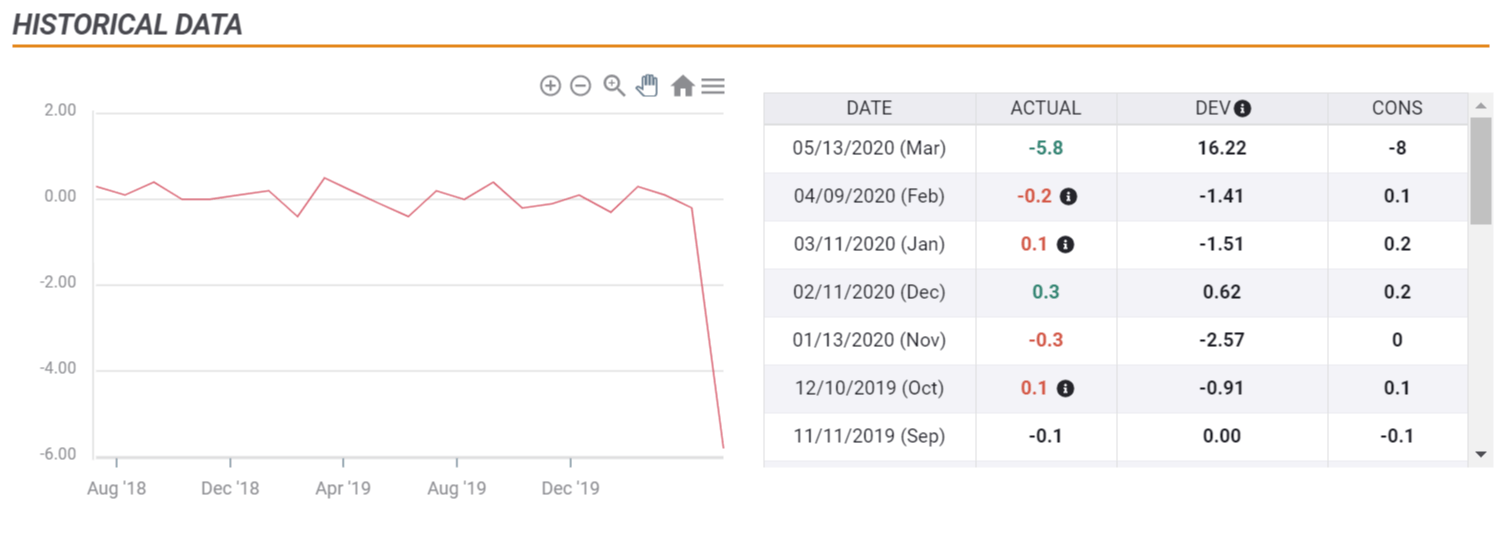
Making economic predictions always involves some guesswork and these times of pandemic are even worse – sending uncertainty to higher levels.
The data for the first month of the second quarter will allow a better understanding of the British economy moving forward, as well as implications for other developed countries.
Three scenarios
For traders, there may be a significant difference between various contraction levels.
1) Within expectations: The magnitude of the potential downfall means that any decrease of between 15% and 20% in output can be described as meeting estimates. In this scenario, the pound may remain pressured, but without a substantial change in trends.
2) Worse than forecasts: A crash worth 20% or more would already trigger doom and gloom headlines, sinking sterling. It could change estimates for the next months, especially as Britain's lockdown has hardly been loosened.
3) Beating estimates: If the UK only shed 15% or less of its GDP, that would show the resilience of the modern economy to withstand social distancing. GBP/USD could climb back up amid hopes for a softer blow throughout the year.
Two other issues
Sterling is sensitive to bad news amid two adverse developments.
As mentioned above, coronavirus has hit Britain hard, with growing criticism from within and without the government's handling of the crisis. Having the world's second-largest death toll and a senior adviser – Dominic Cummings – flouting the rules, does not help in convincing the public to play its part. The resulting gradual reopening is already a headwind.
Secondly, the UK and the EU remain at odds over post-Brexit relations with elevated accusations in recent days. Michel Barnier, the EU's Chief Negotiator, said that Britain wants the benefits of full bloc membership without any obligations – eating the cake and leaving it whole.
Barnier's growing frustration – and also that of his counterpart David Frost, are also capping any cable gains.
Conclusion
Monthly UK GDP for April is critical given the magnitude of the plunge in a full month of lockdown. The reaction depends on the scale of the contraction, but the pound remains on the back foot.
Author

Yohay Elam
FXStreet
Yohay is in Forex since 2008 when he founded Forex Crunch, a blog crafted in his free time that turned into a fully-fledged currency website later sold to Finixio.
















